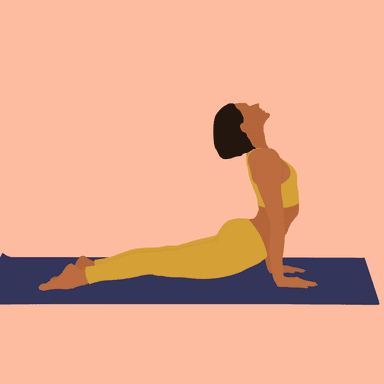
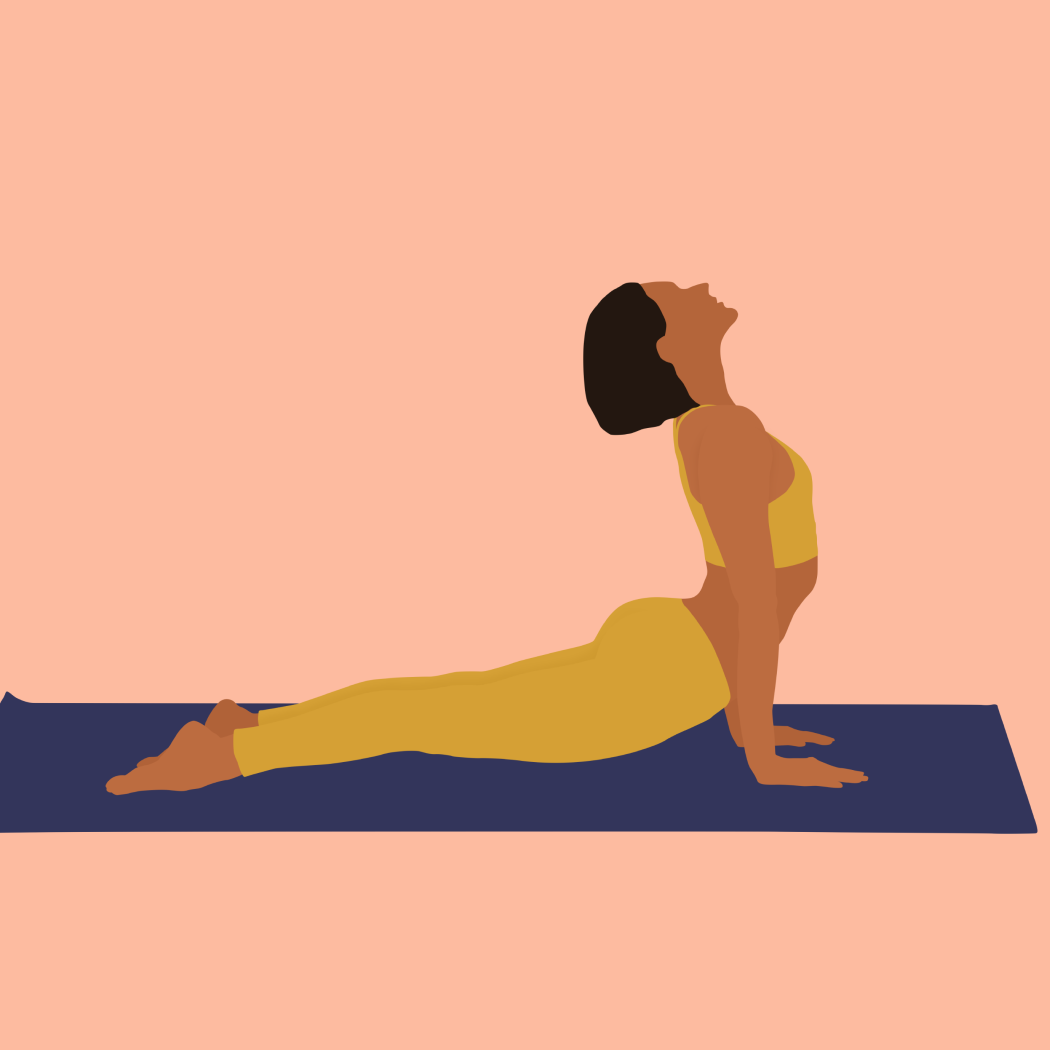
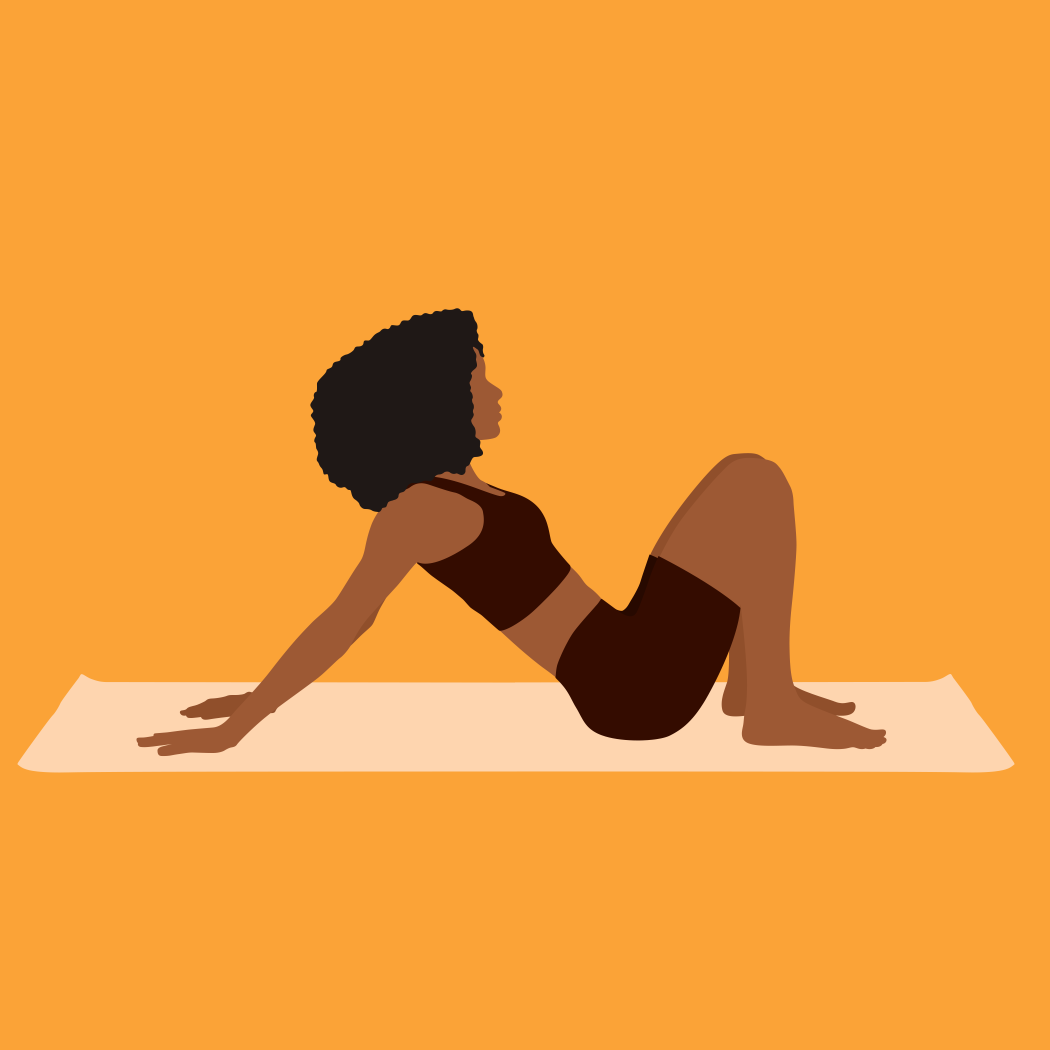
Upward Dog
Start lying face-down on the floor with your legs ...
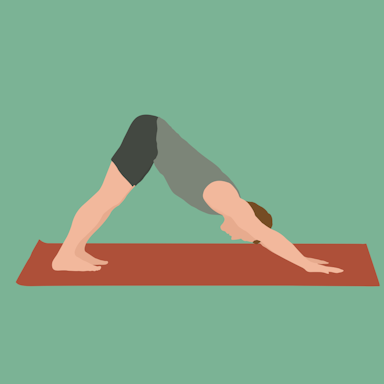
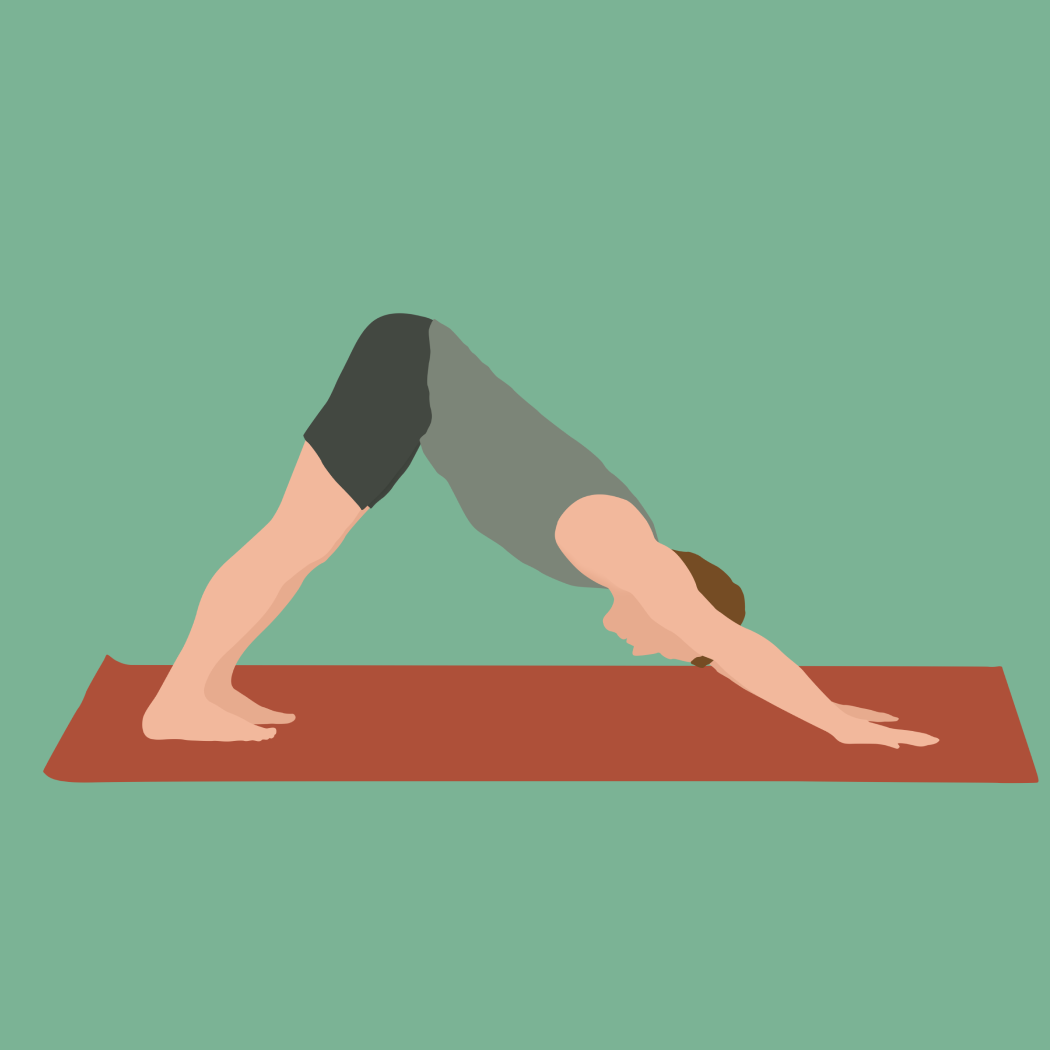
Downward Dog
Start on your hands and knees with your wrists und...
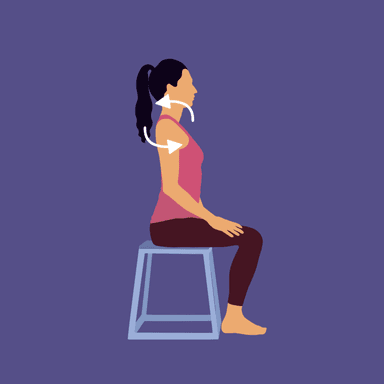
Shoulder Rolls
Sitting with your back straight and chest up, star...
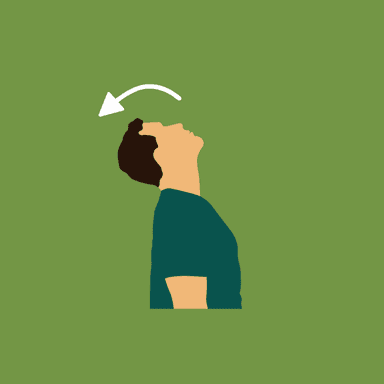
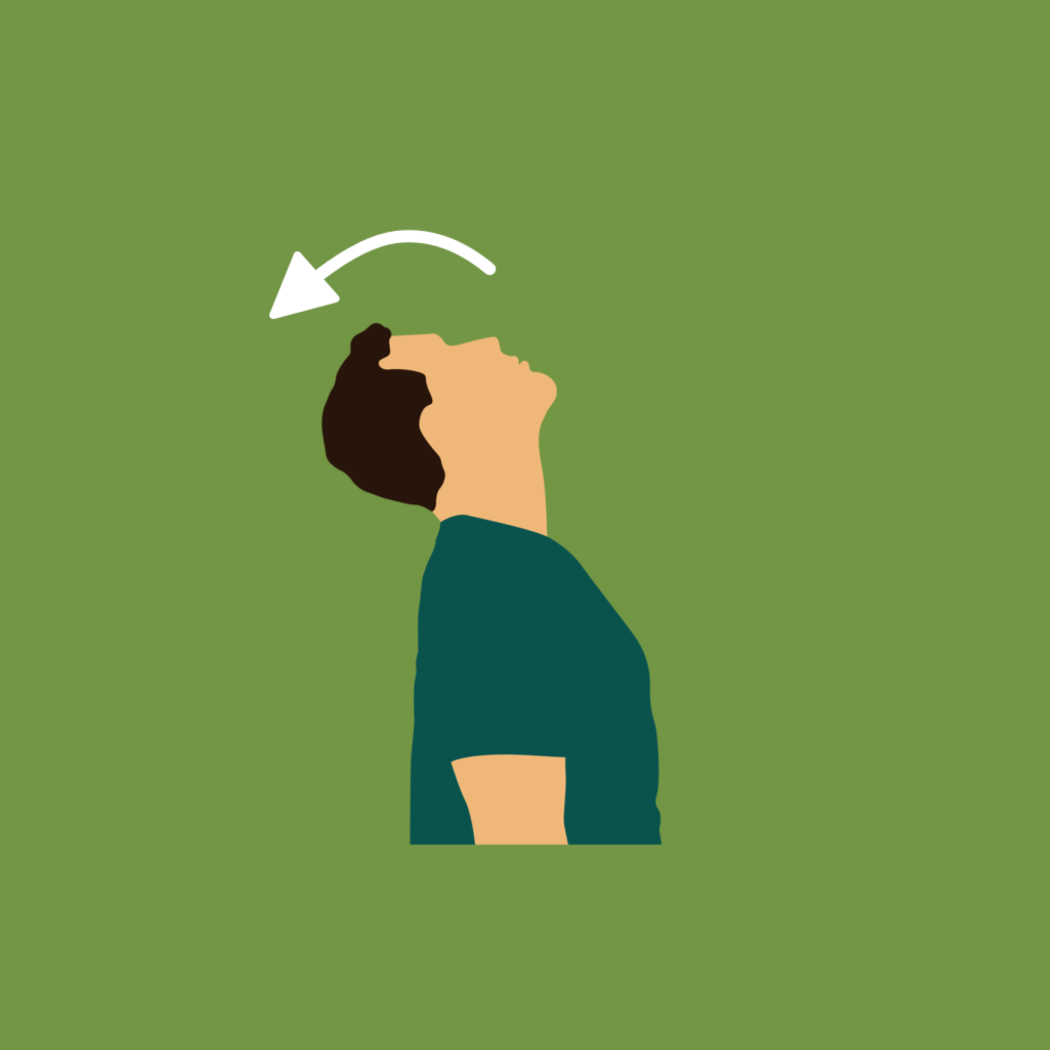
Neck Flex
Sitting with your back straight and arms resting a...
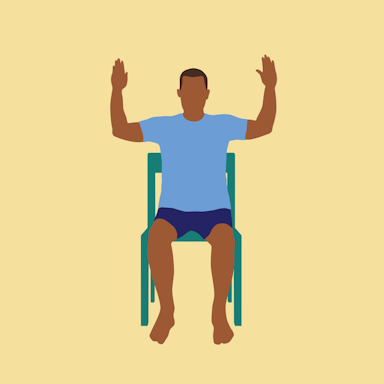
Cactus Arms
Sitting with your back straight, raise your arms o...
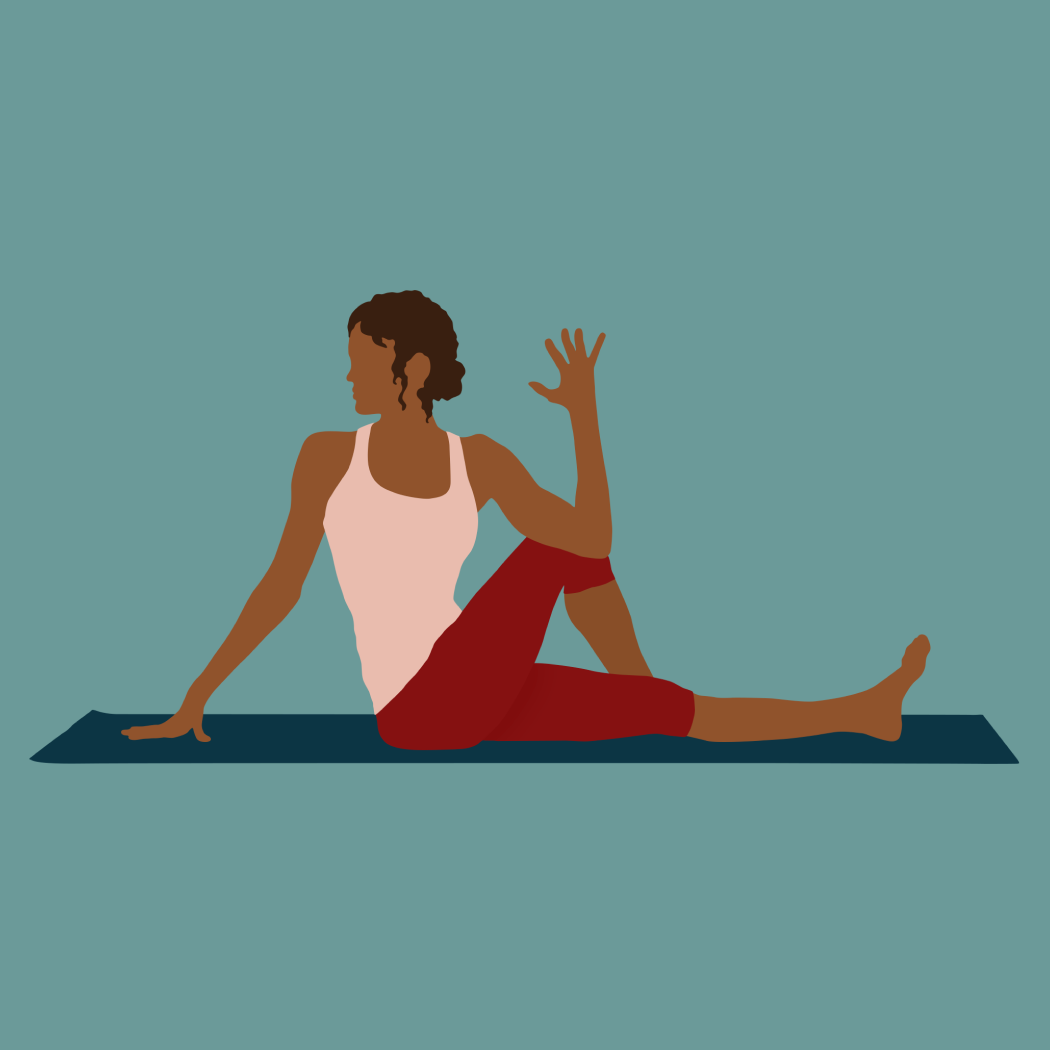
Trunk Rotation
Sitting in a chair with your back straight, cross ...
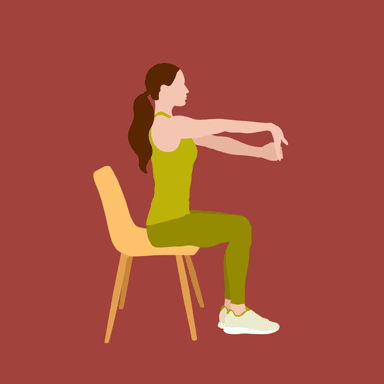
Forearm Stretch
Sitting in a chair with your back straight, extend...
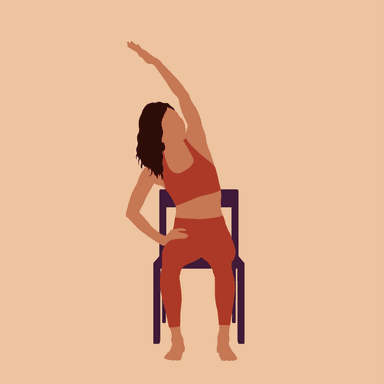
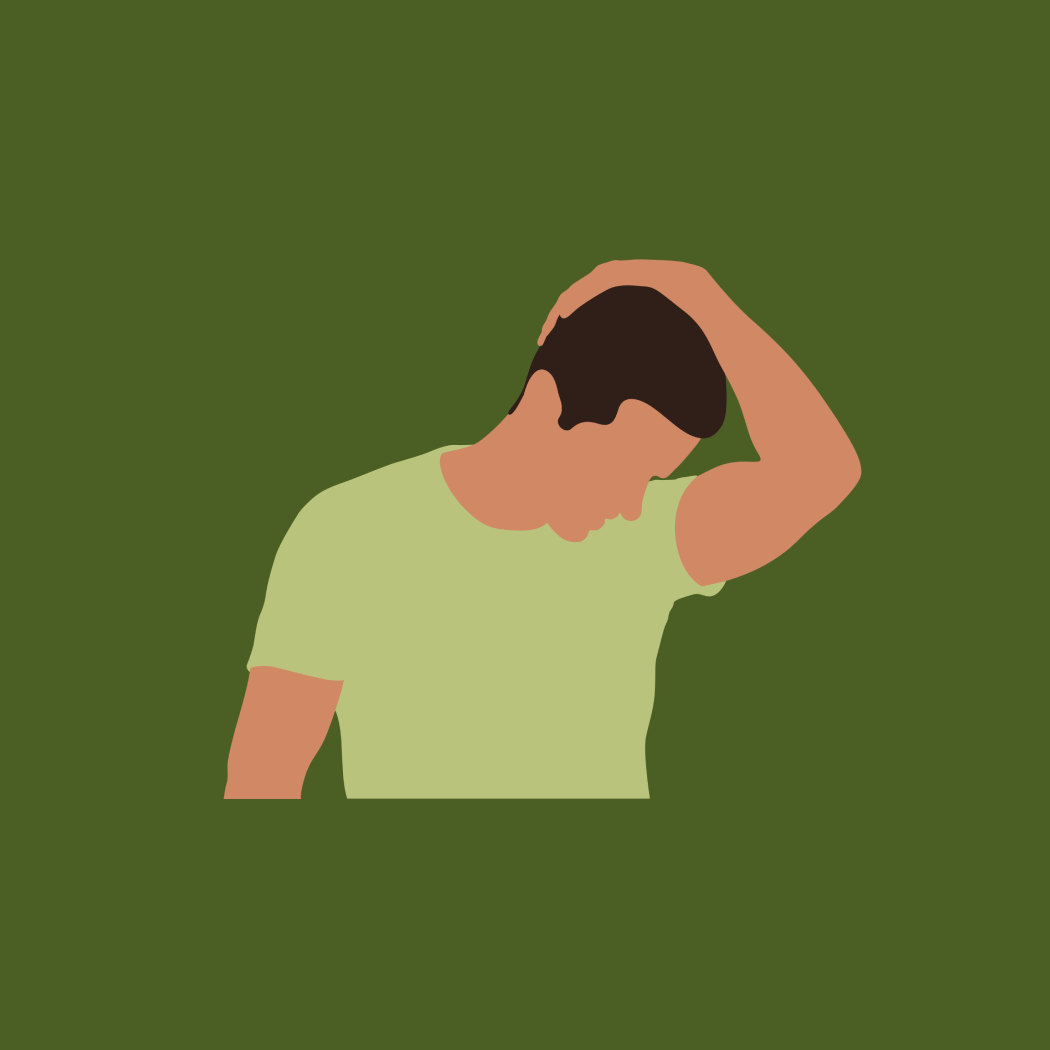
Side Bend
Sitting with your back straight and one hand on yo...
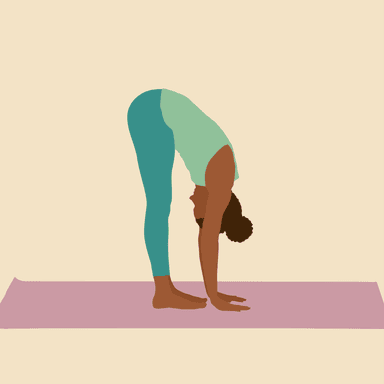
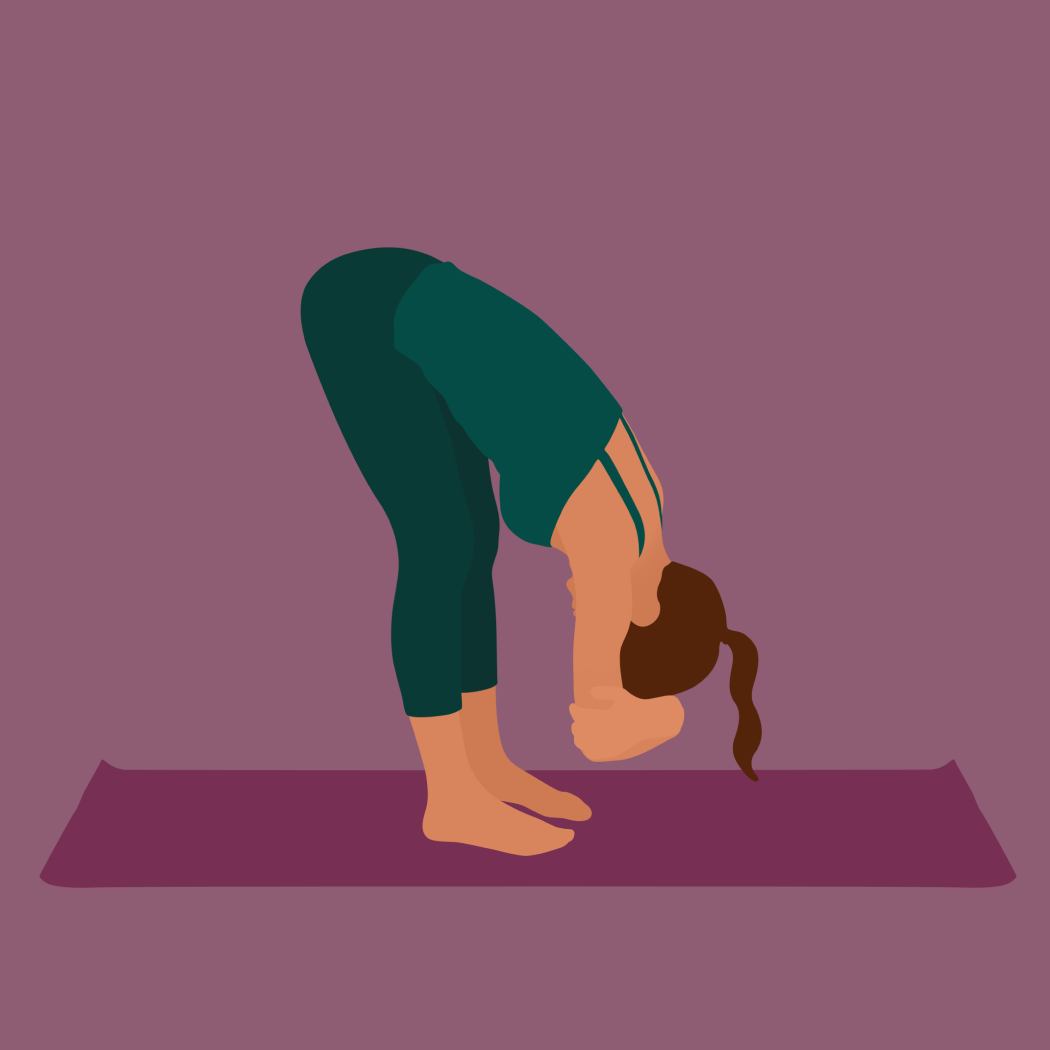
Toe Touch
Start from a standing position with your feet hip-...
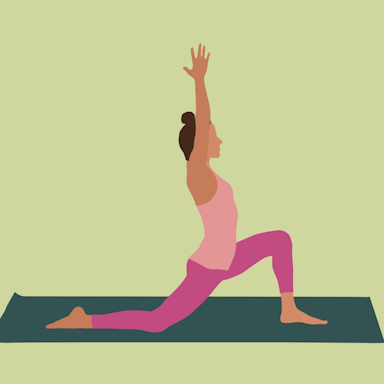
Lunge
Start from a kneeling position with your hands at ...
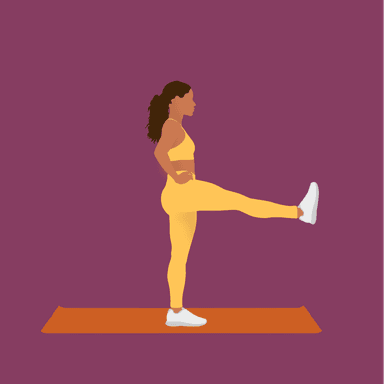
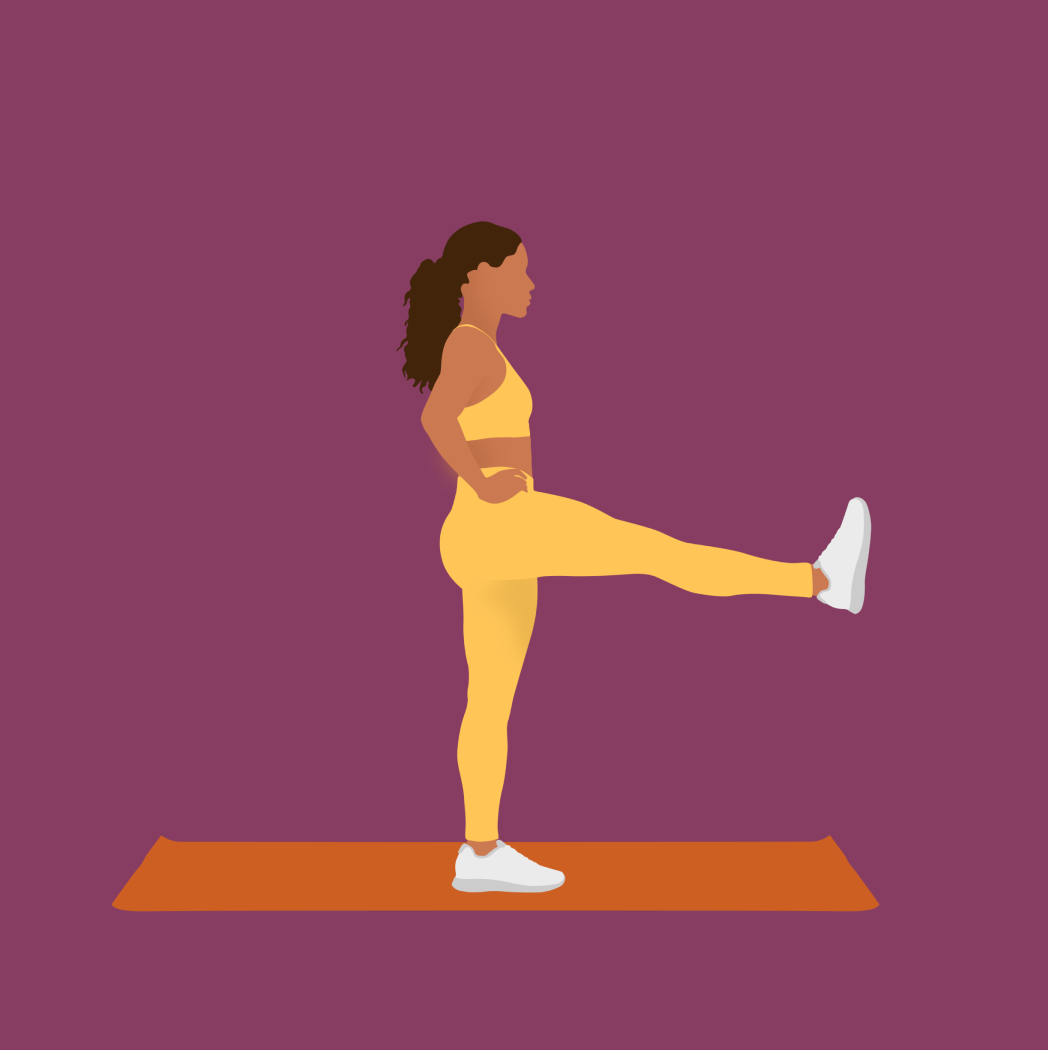
Leg Swings
Stand with your feet hip-width apart and hold onto...
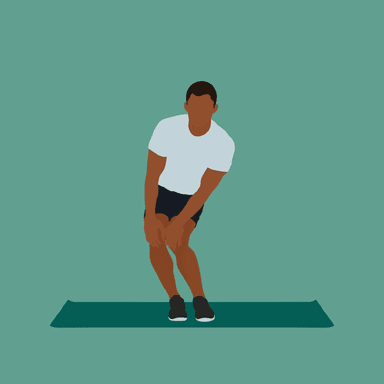
Knee Circles
Stand with your feet together and knees slightly b...
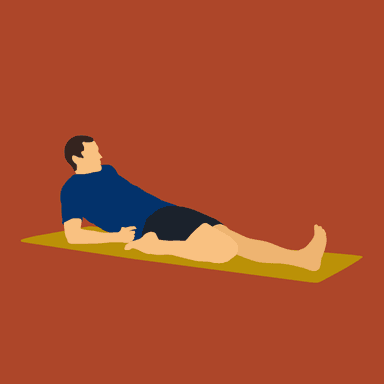
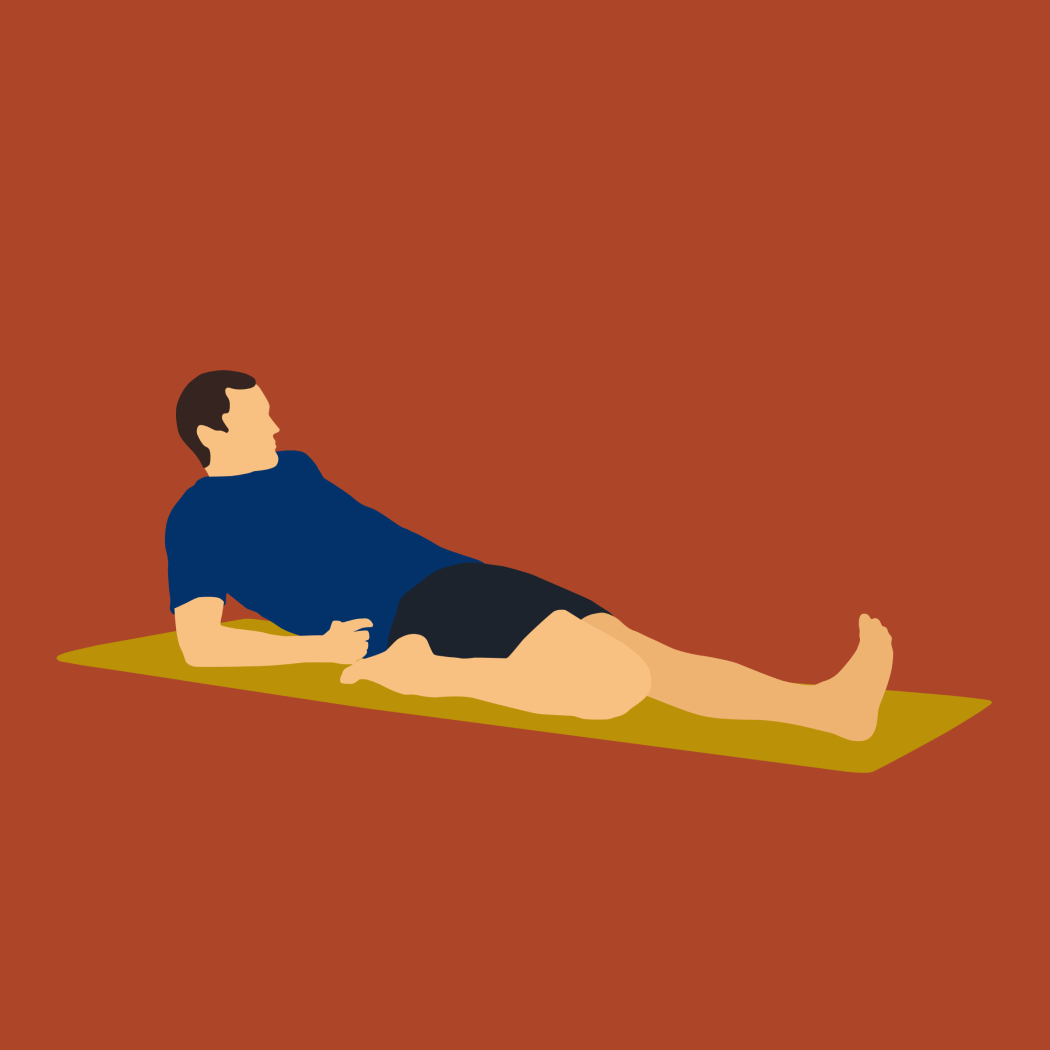
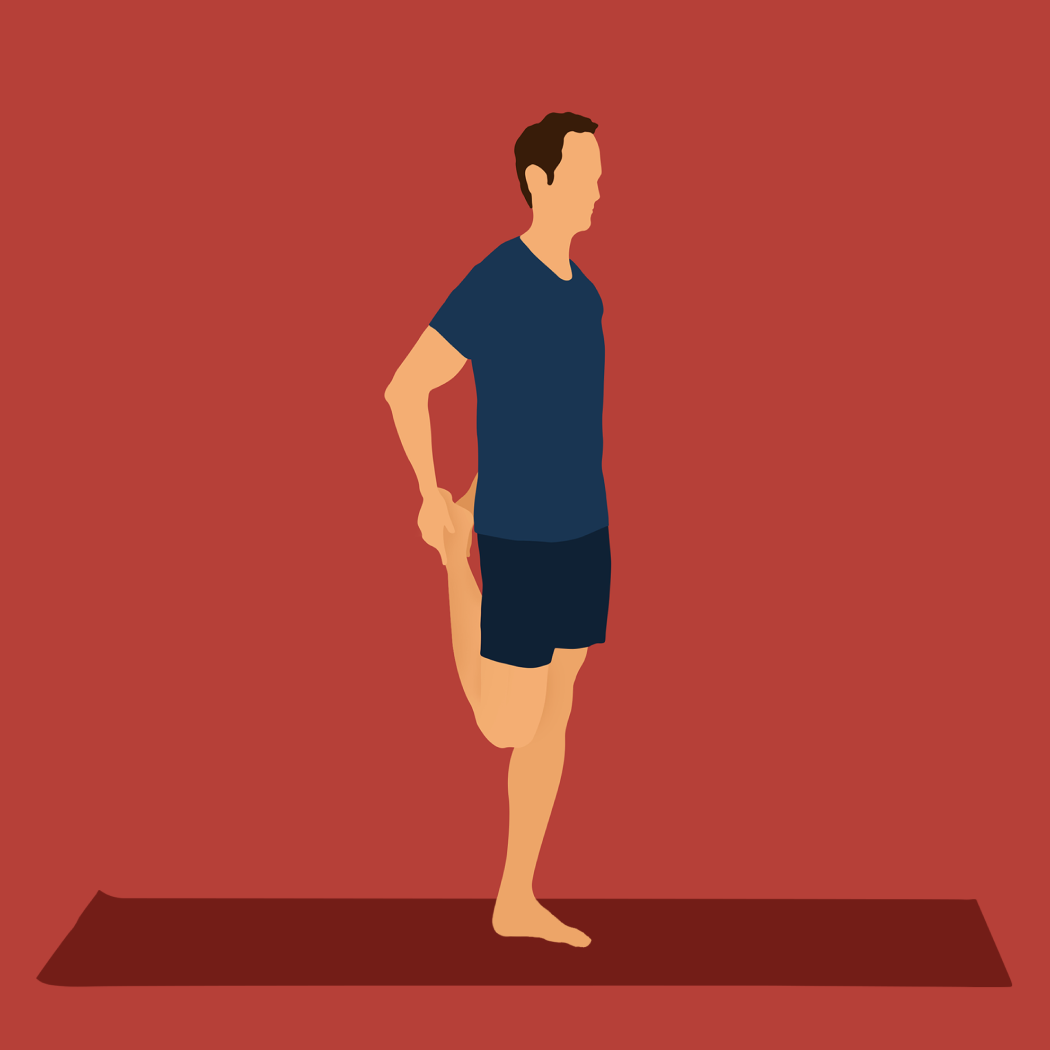
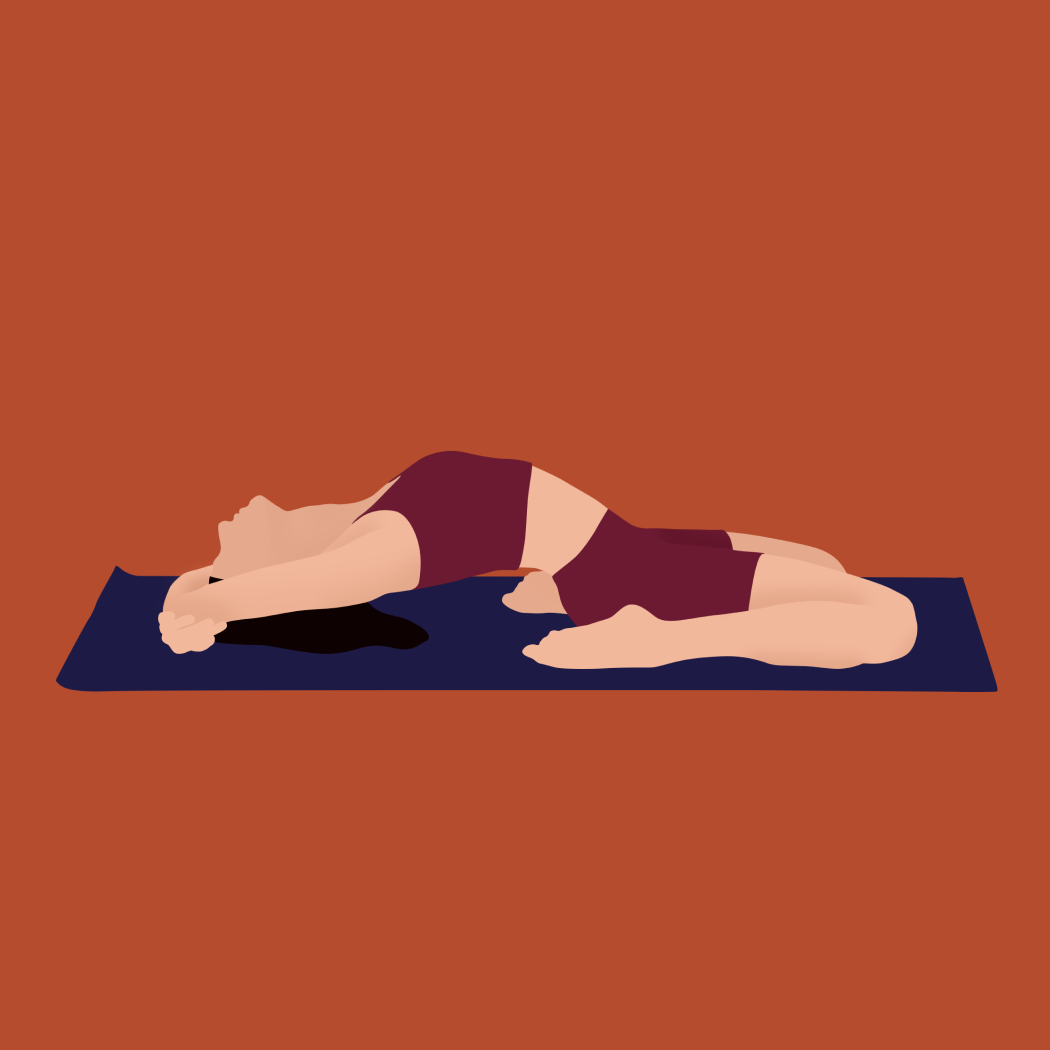
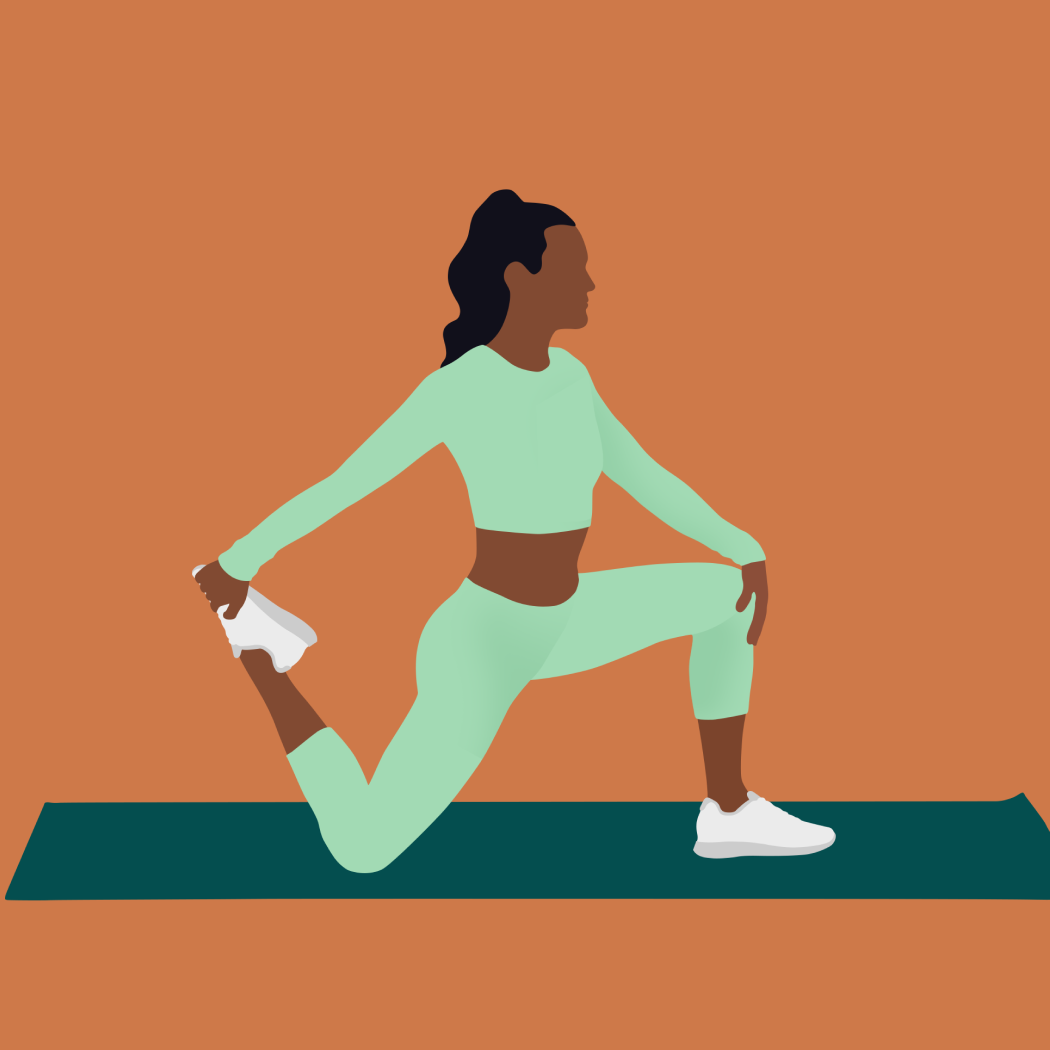
Quad Stretch
Start sitting on the floor with your legs extended...
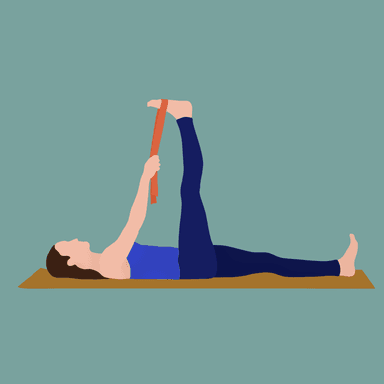
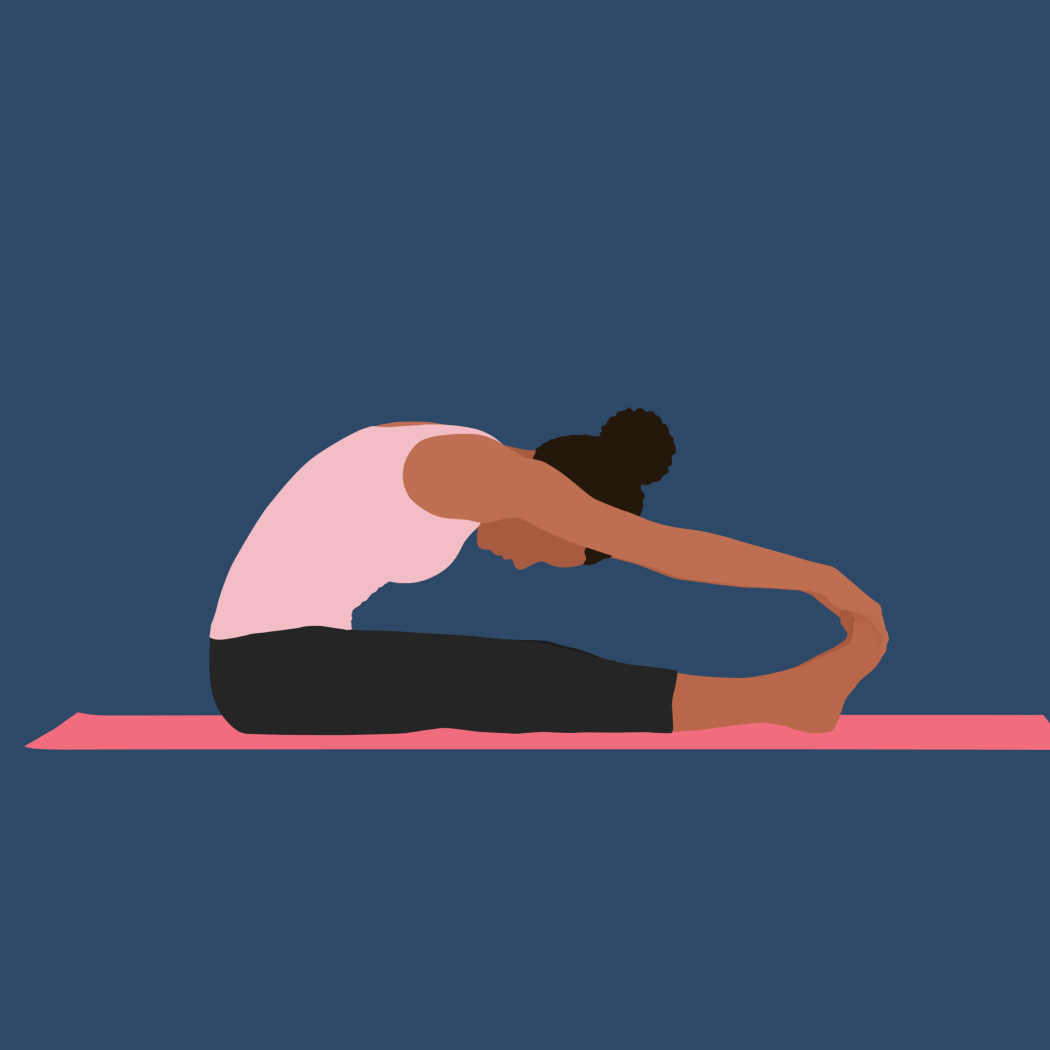
Hamstring Pulls
Start from a seated position on the floor with you...
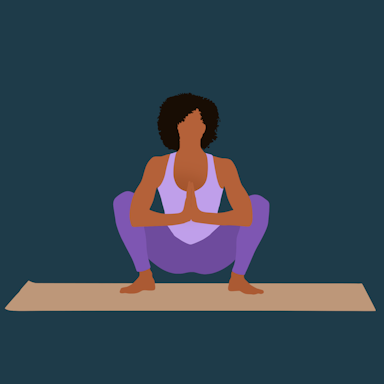
Squat Stretch
Start standing up with your feet shoulder-width ap...
Skateboarders need flexibility in their legs and core for balance and to perform tricks effectively.
Tennis players require flexibility in their wrists, arms, and legs for powerful serves and quick lateral movements.
Paragliders need flexibility in their upper body and core for control and comfort during flights.
Rowers require flexibility in their back, shoulders, and legs for effective rowing strokes and endurance.
Gymnasts require full-body flexibility and strong core muscles for their routines, which involve a wide range of movements.
Golfers need flexibility in their back, shoulders, and hips for a powerful and effective swing.
Ice hockey players need lower body and core flexibility for skating, as well as upper body flexibility for stick handling and shooting.
Surfers need flexibility in their legs, back, and shoulders for balance and maneuvering on the waves.
Field hockey players need leg, hip, and upper body flexibility for running, stick handling, and shooting.
Equestrian athletes require lower body flexibility and core strength for effective riding and control.
Activate your parasympathetic nervous system and alleviate stress with relaxing, long-hold stretches and focused breathing.
Light, easy stretches while your body transitions to a resting state. Post-workout stretching promotes blood flow for recovery and reduces the risk of injury.
A series of stretches designed to increase flexibility in the neck.
A series of stretches designed to increase flexibility in the quadriceps.
An advanced routine covering all major muscle groups and extremities. Movements range in their level of complexity to promote greater flexibility and range of motion.
Open and unlock tight hips with deep, focused stretches designed to improve hip flexibility and undo hours of inactivity from sitting at a desk, in a car, or on the couch.
A series of stretches designed to increase flexibility in the lower back.
A series of stretches designed to increase flexibility in the shoulders.
Fix rounded shoulders, forward head posture, and a curved upper spine with stretches that lengthen muscles in your chest, shoulders, and neck.