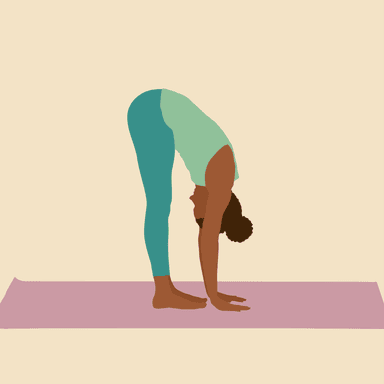
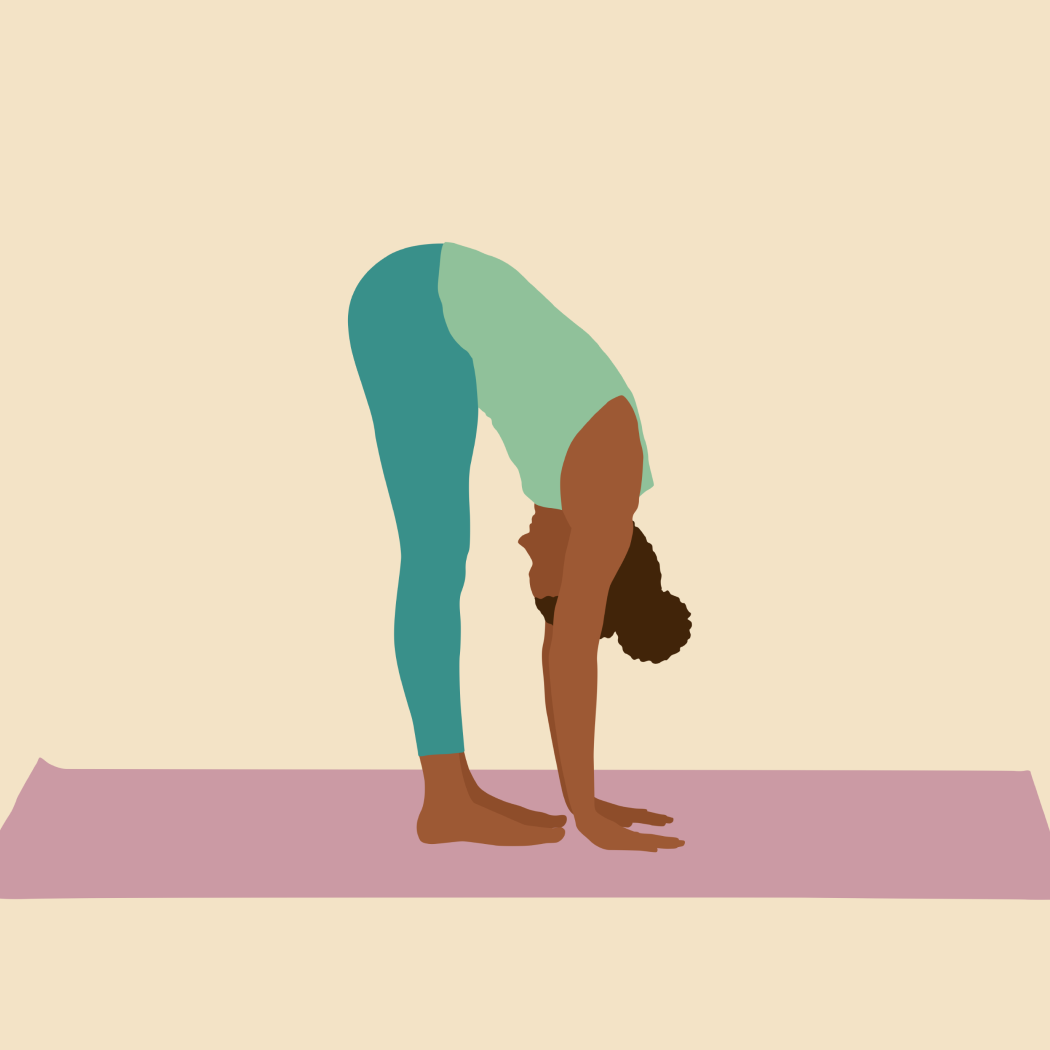
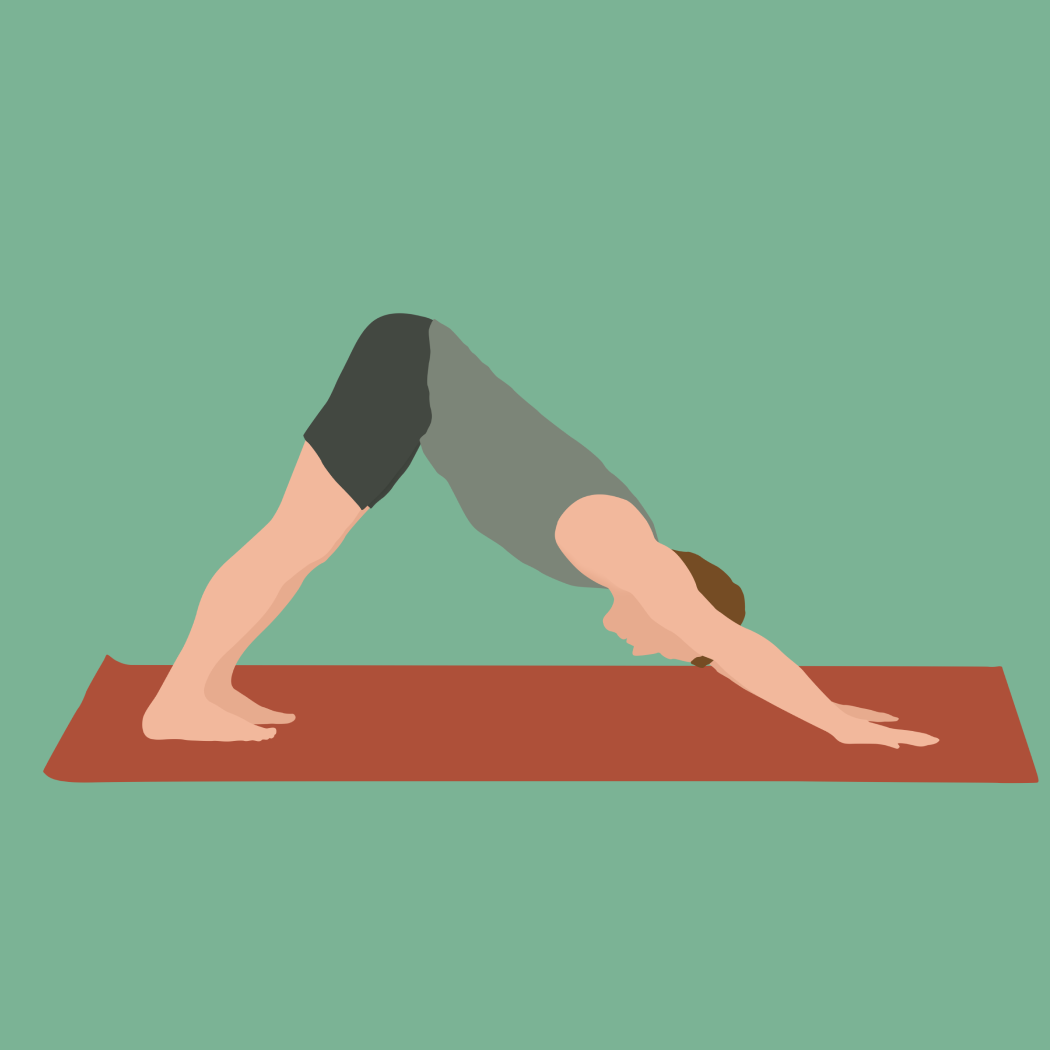
Toe Touch
Start from a standing position with your feet hip-...
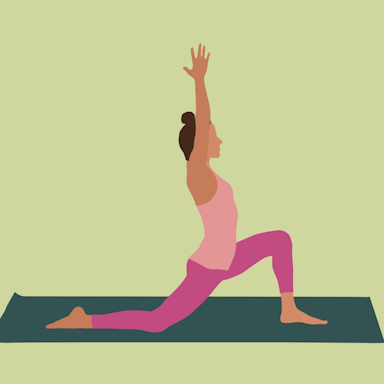
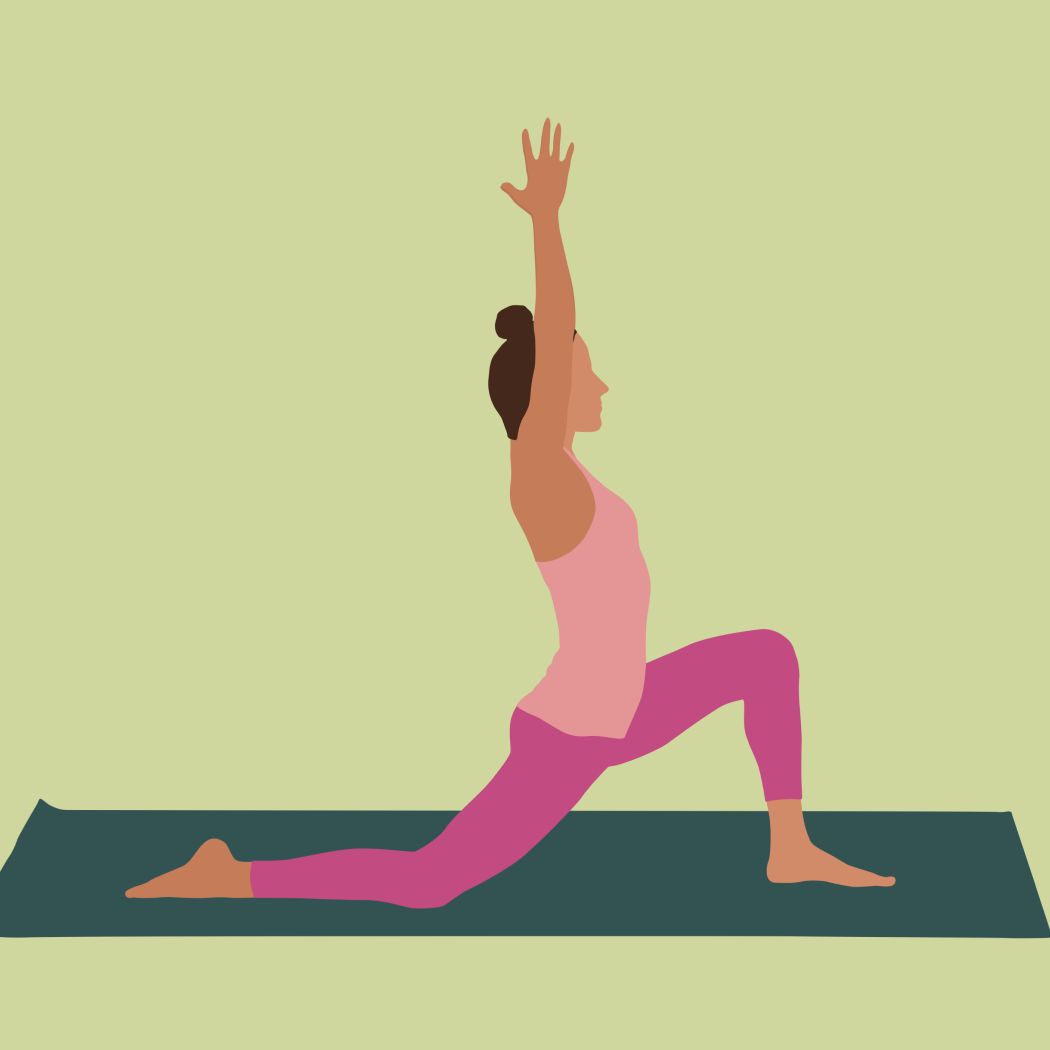
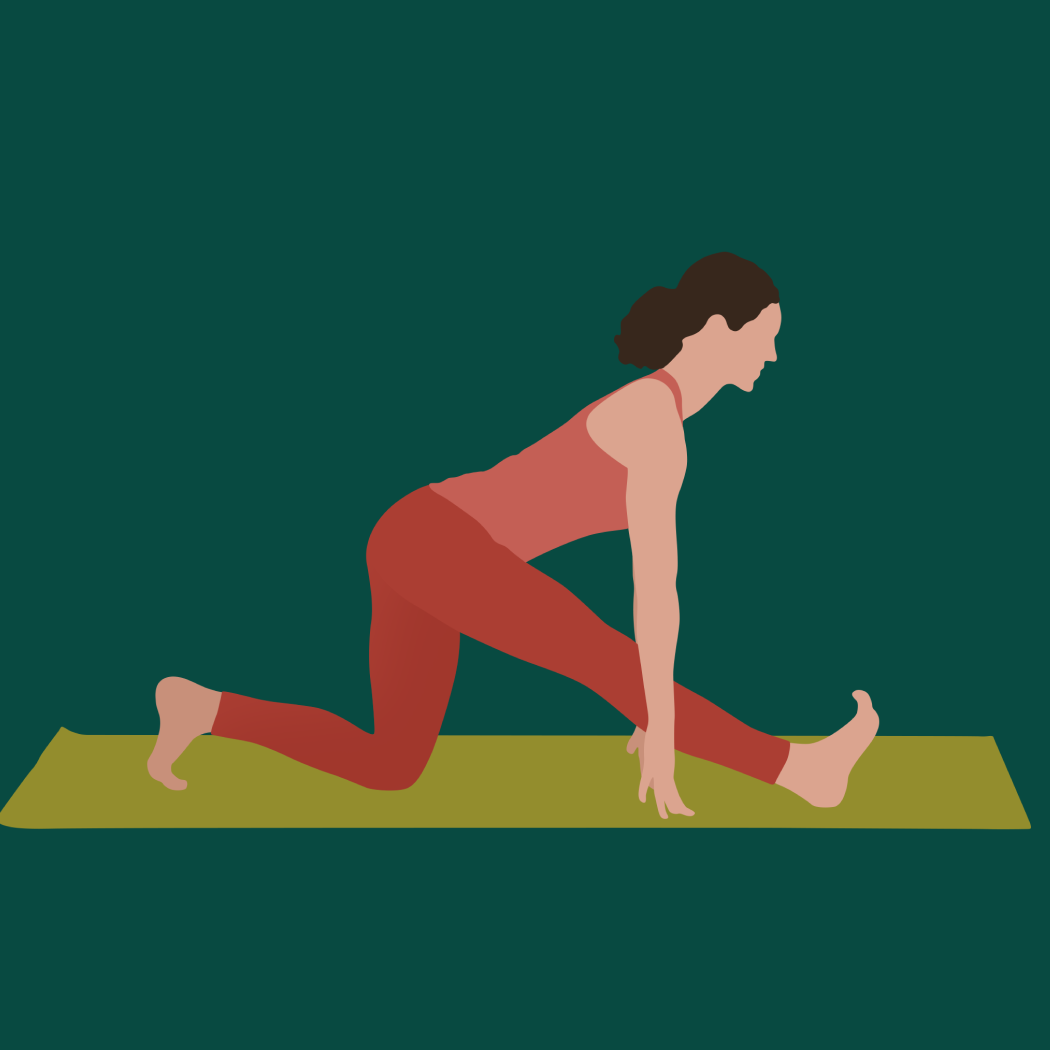
Lunge
Start from a kneeling position with your hands at ...
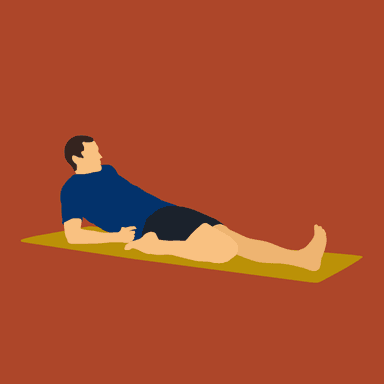
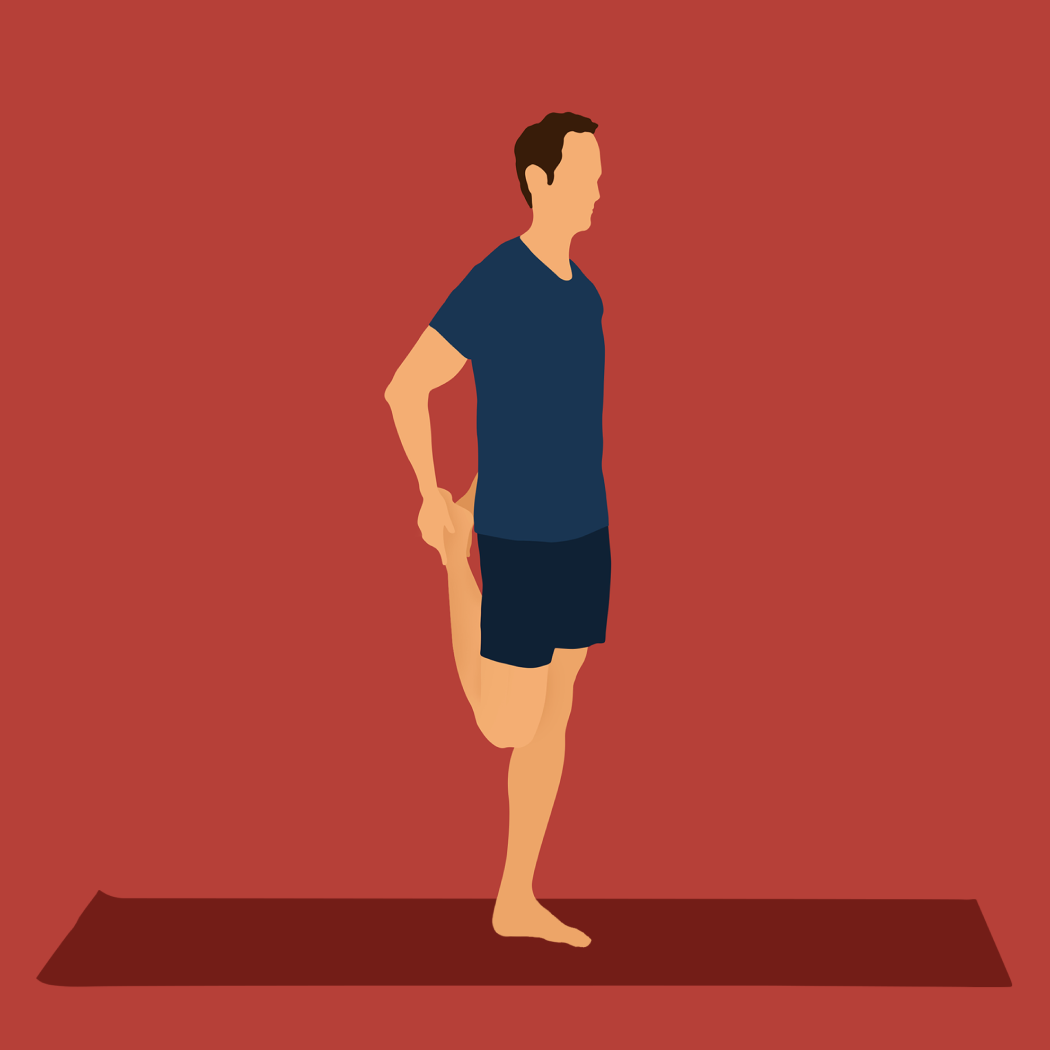
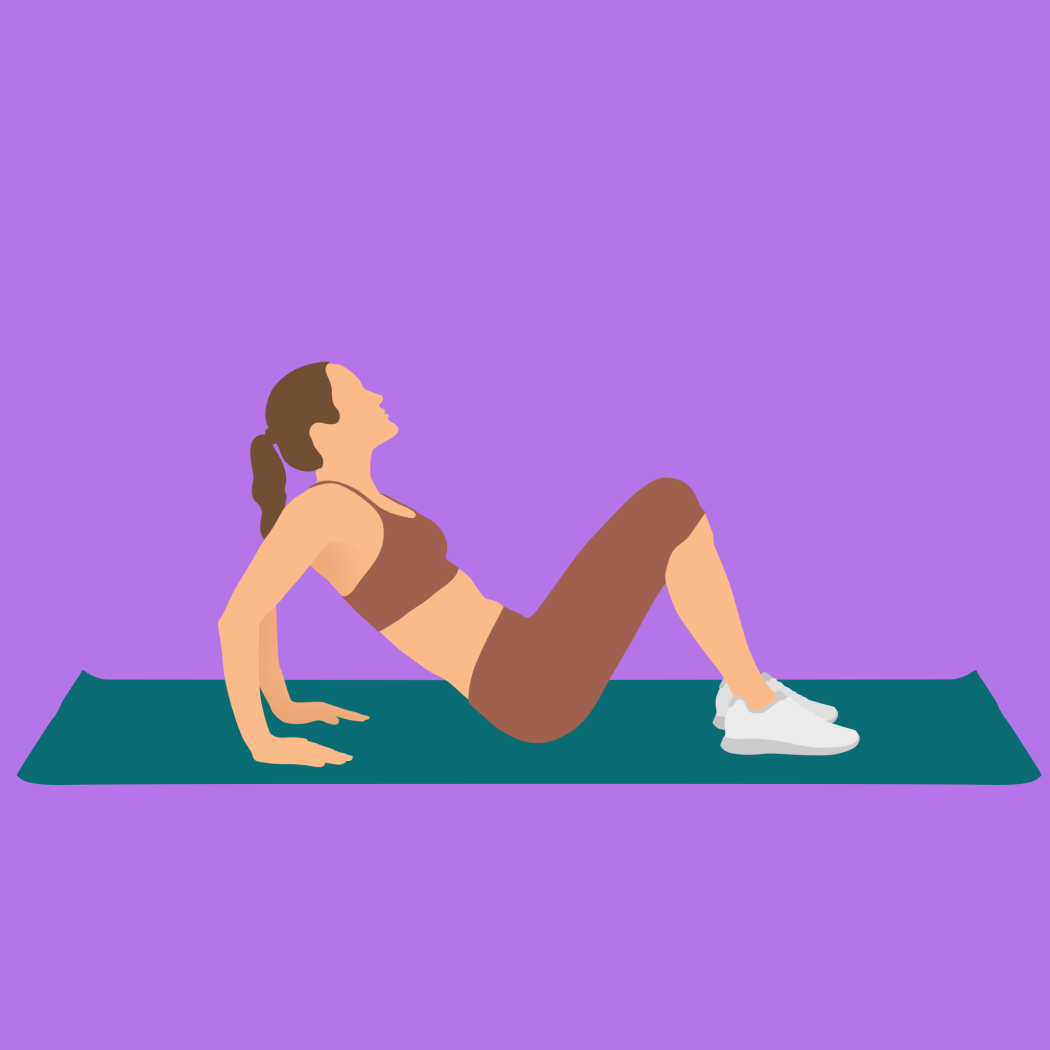
Quad Stretch
Start sitting on the floor with your legs extended...
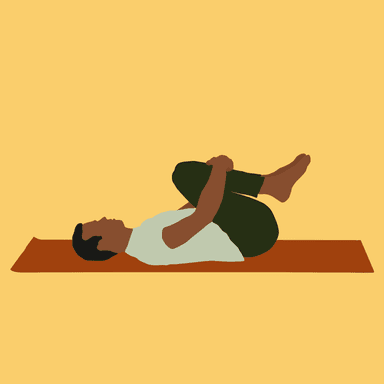
Knees-to-chest
Lying on your back, gently bring both knees up and...
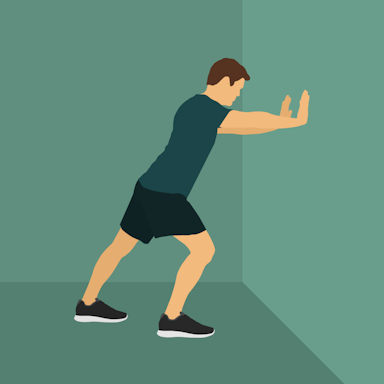
Leaning Calf
From a standing position, place both hands on a wa...
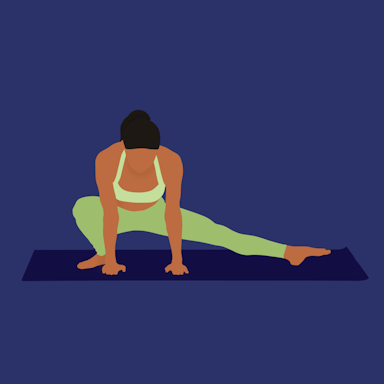
Side Lunge
Standing with a wide stance, squat down to your ri...
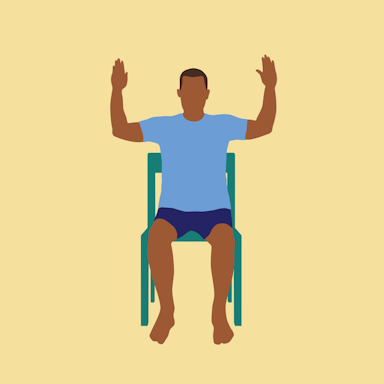
Cactus Arms
Sitting with your back straight, raise your arms o...
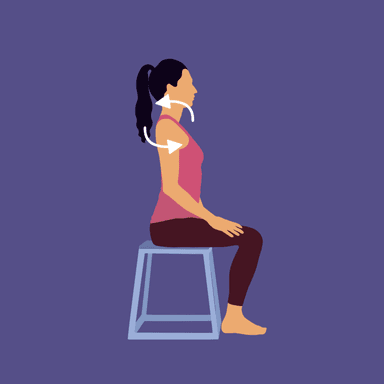
Shoulder Rolls
Sitting with your back straight and chest up, star...
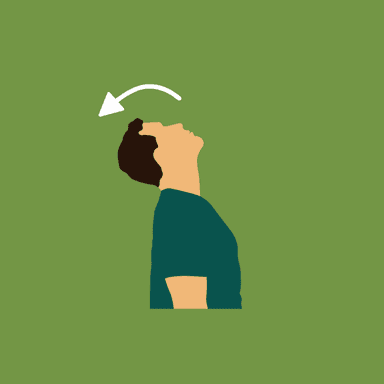
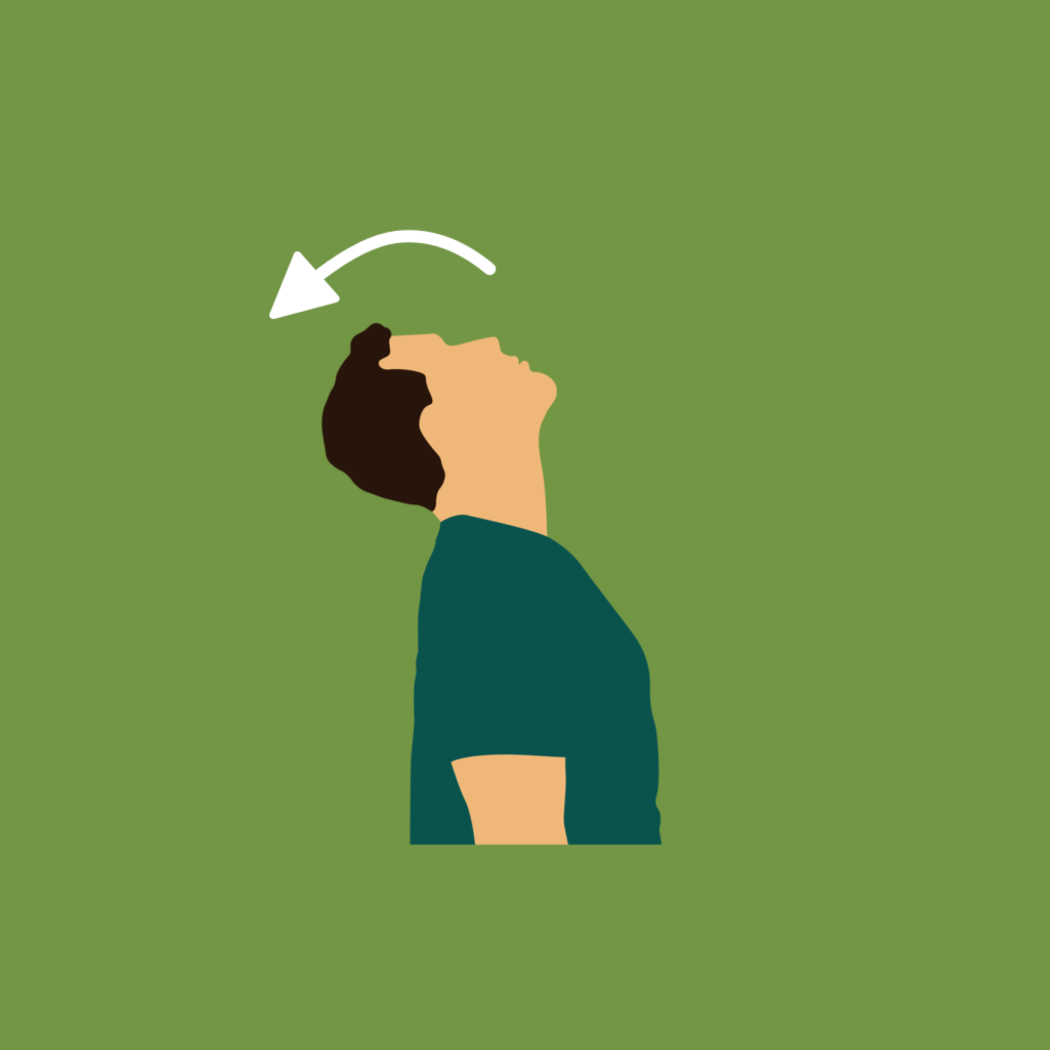
Neck Flex
Sitting with your back straight and arms resting a...
Trunk Rotation
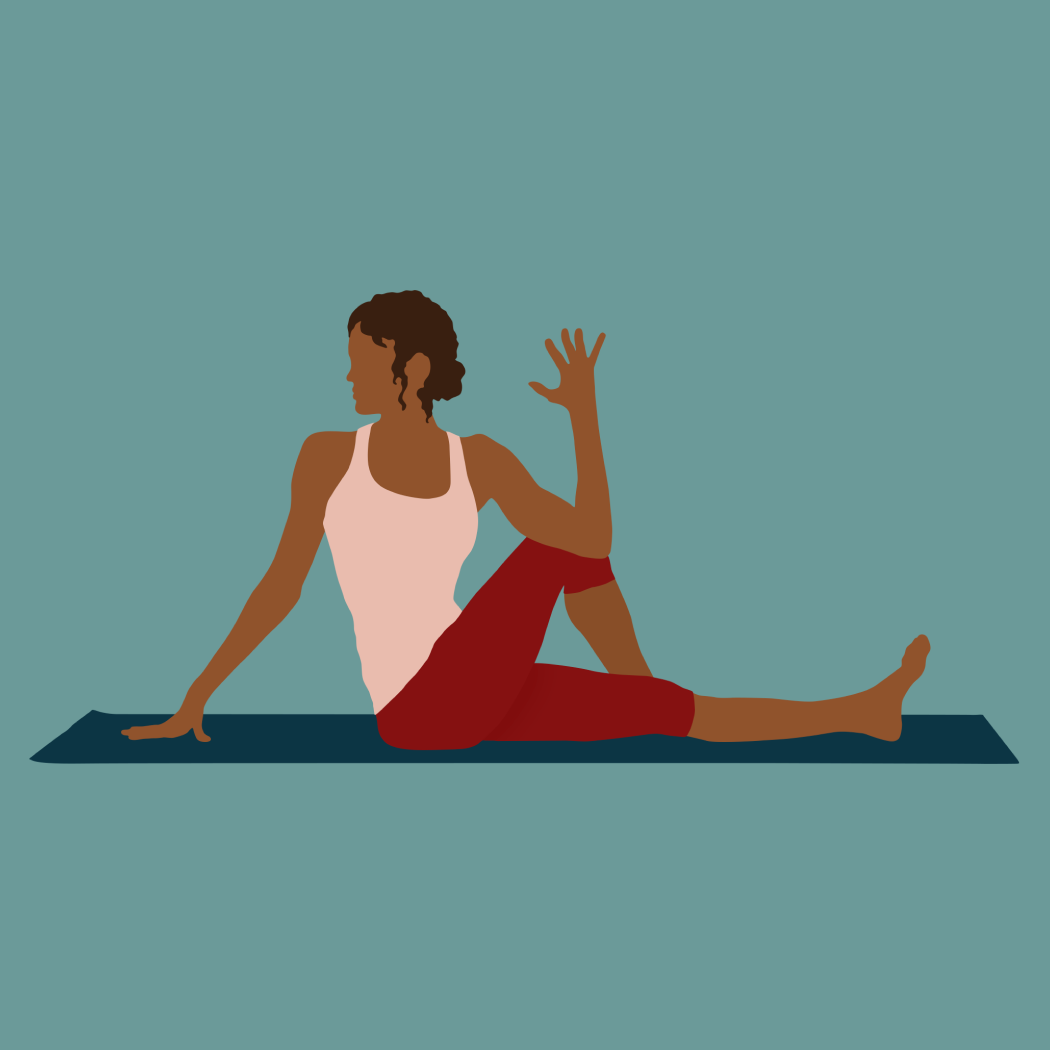
Sitting in a chair with your back straight, cross ...
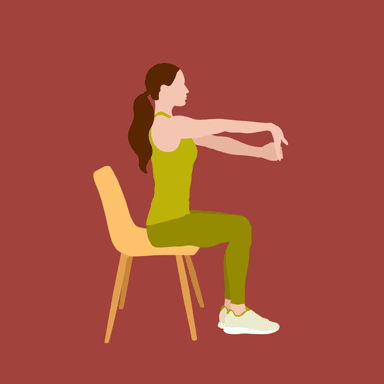
Forearm Stretch
Sitting in a chair with your back straight, extend...
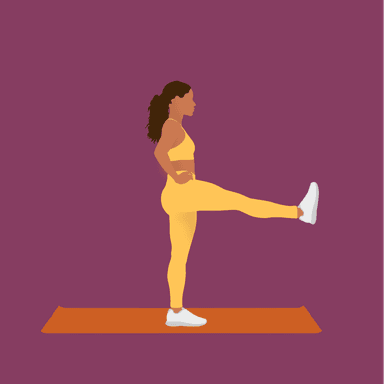
Leg Swings
Stand with your feet hip-width apart and hold onto...
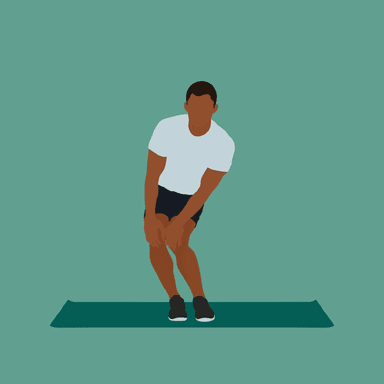
Knee Circles
Stand with your feet together and knees slightly b...
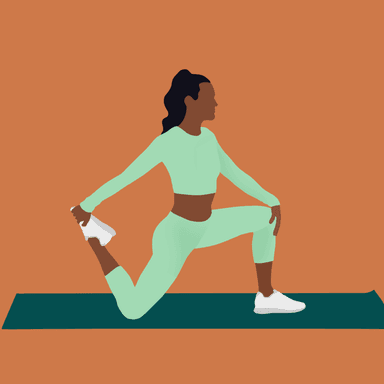
Kneeling Quad
Starting from your hands and knees, step your left...
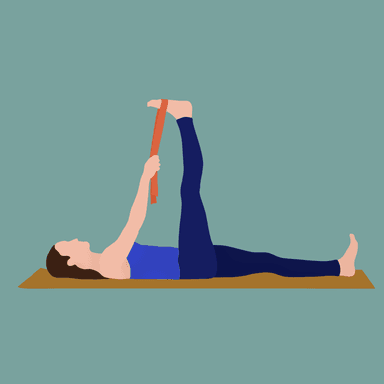
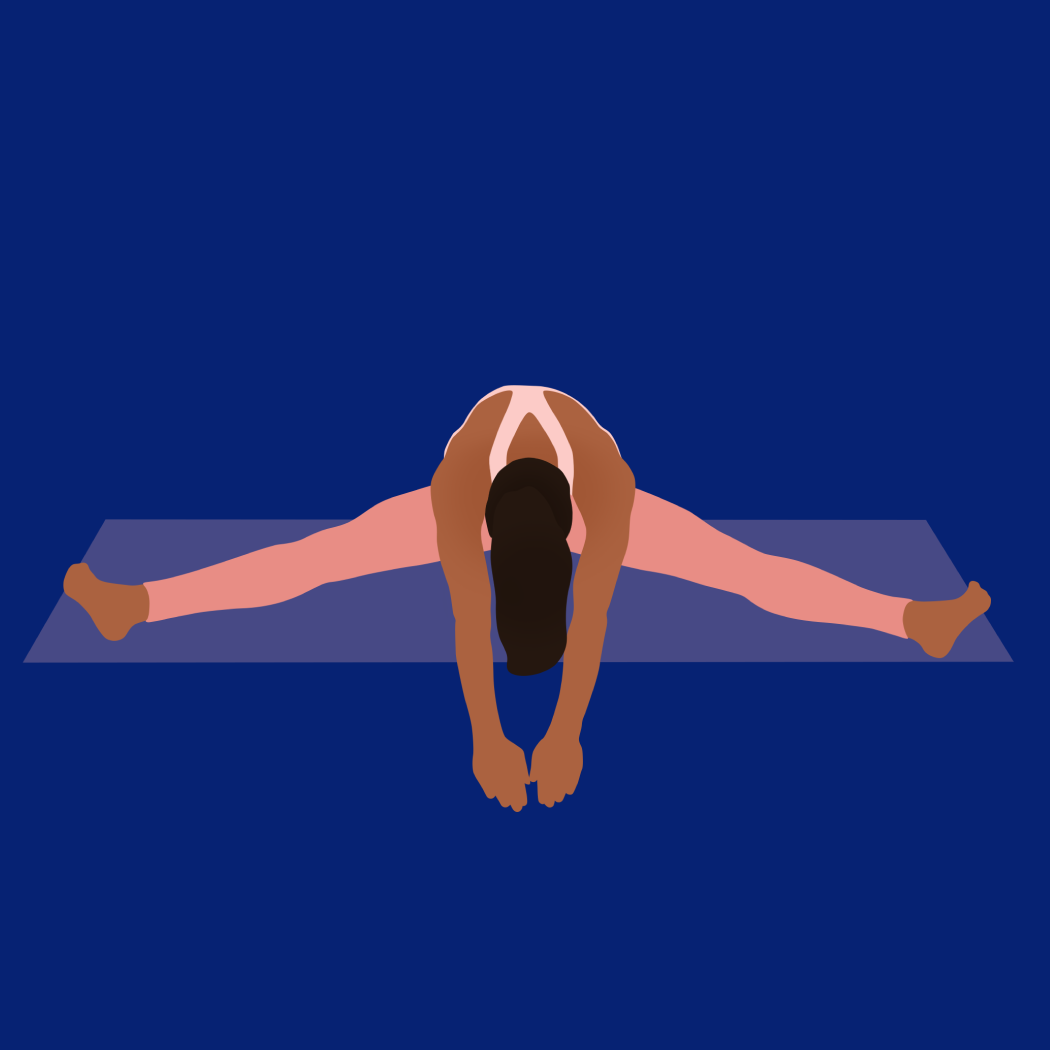
Hamstring Pulls
Start from a seated position on the floor with you...
Field hockey players need leg, hip, and upper body flexibility for running, stick handling, and shooting.
Fencers need flexibility and agility in their legs and upper body for quick movements and lunges.
Divers require full-body flexibility, particularly in the spine and hips, for graceful and precise dives.
Martial artists require flexibility in their legs, hips, and upper body for kicks, punches, and agile movements.
Rugby league players need a mix of upper and lower body flexibility for tackling, passing, and sprinting.
Australian football players require agility and flexibility in their legs and upper body for kicking, catching, and running.
Taekwondo athletes need flexibility in their legs, hips, and upper body for high kicks, quick movements, and agility.
Dart players need upper body flexibility, particularly in the shoulders and wrists, for precision and control.
Gymnasts require full-body flexibility and strong core muscles for their routines, which involve a wide range of movements.
A series of stretches designed to increase flexibility in the neck.
Long-hold poses designed to improve hip flexibility by targeting select muscle groups in the hips.
An isometric exercise routine thats build muscle, strength, balance, and range of motion in targeted areas through static muscle contraction.
A series of stretches designed to increase flexibility in the hamstrings.
Open and unlock tight hips with deep, focused stretches designed to improve hip flexibility and undo hours of inactivity from sitting at a desk, in a car, or on the couch.
A series of plank poses activating all of the muscles in your core. A strong core improves posture and balance, increases flexibility, and reduces lower back pain.
A simple routine to maintain your body’s natural mobility and range of motion. Quick, convenient, and effective. Do it anytime, anywhere, everyday.