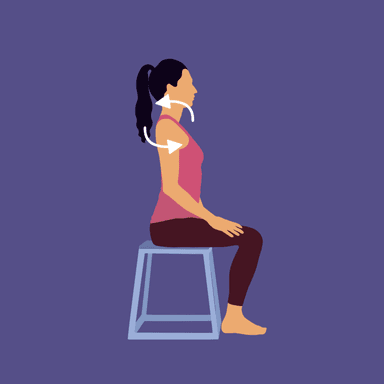
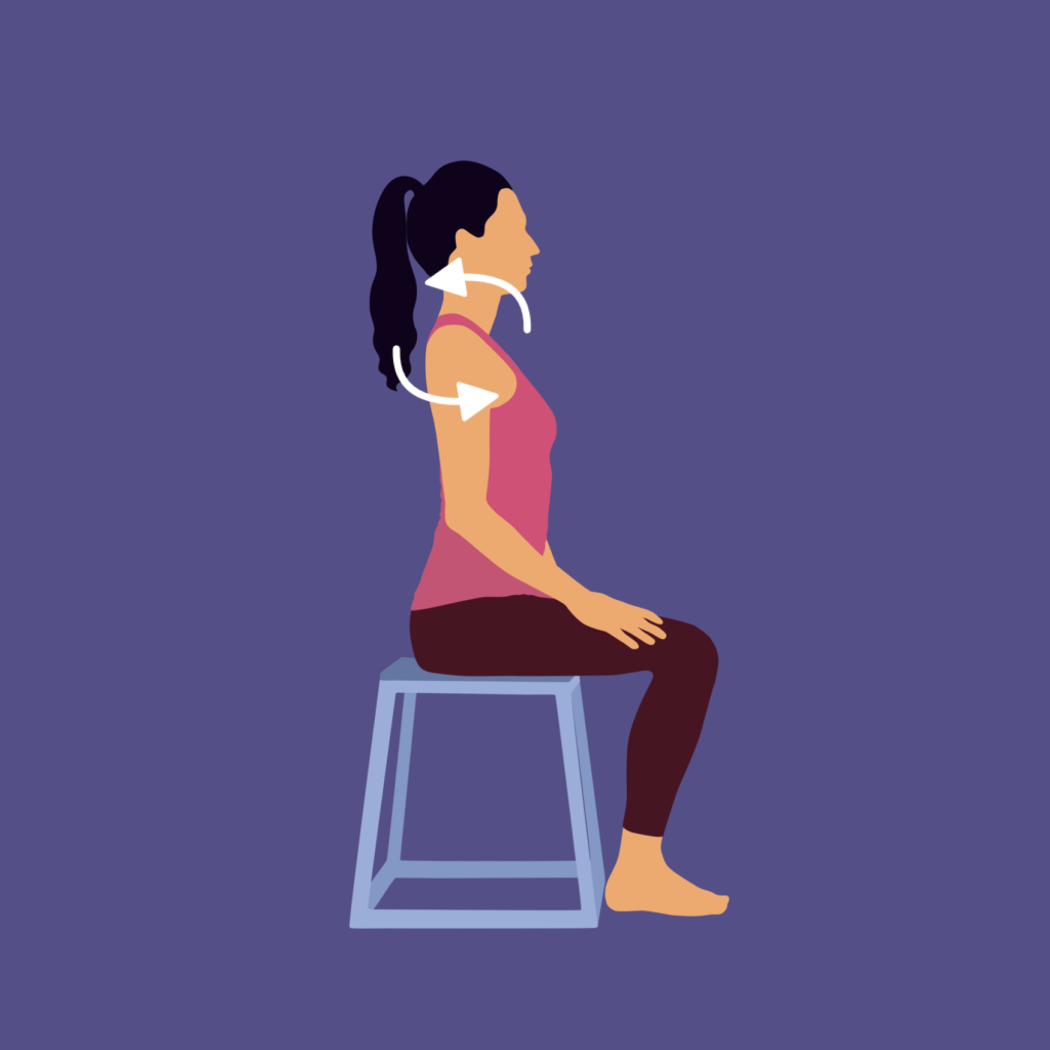
Shoulder Rolls
Sitting with your back straight and chest up, star...
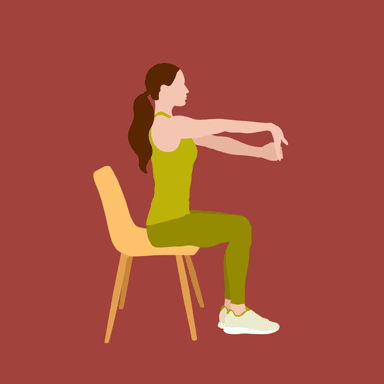
Forearm Stretch
Sitting in a chair with your back straight, extend...
Trunk Rotation
Sitting in a chair with your back straight, cross ...
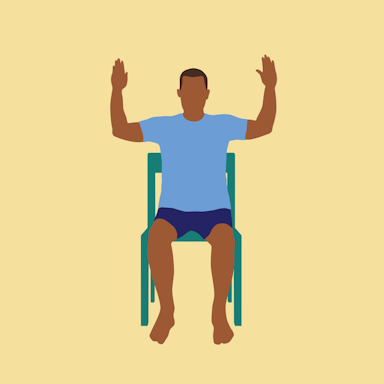
Cactus Arms
Sitting with your back straight, raise your arms o...
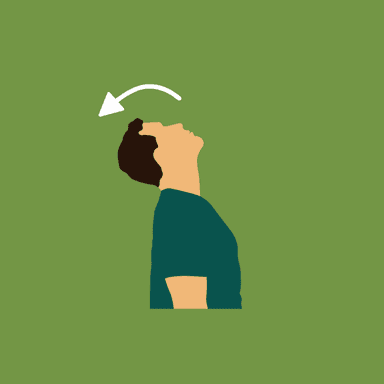
Neck Flex
Sitting with your back straight and arms resting a...
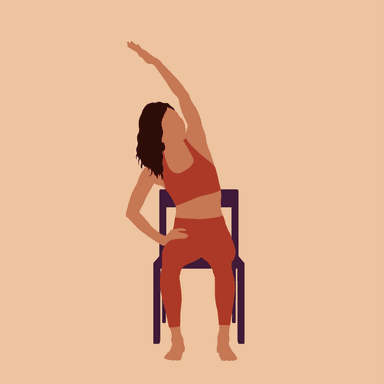
Side Bend
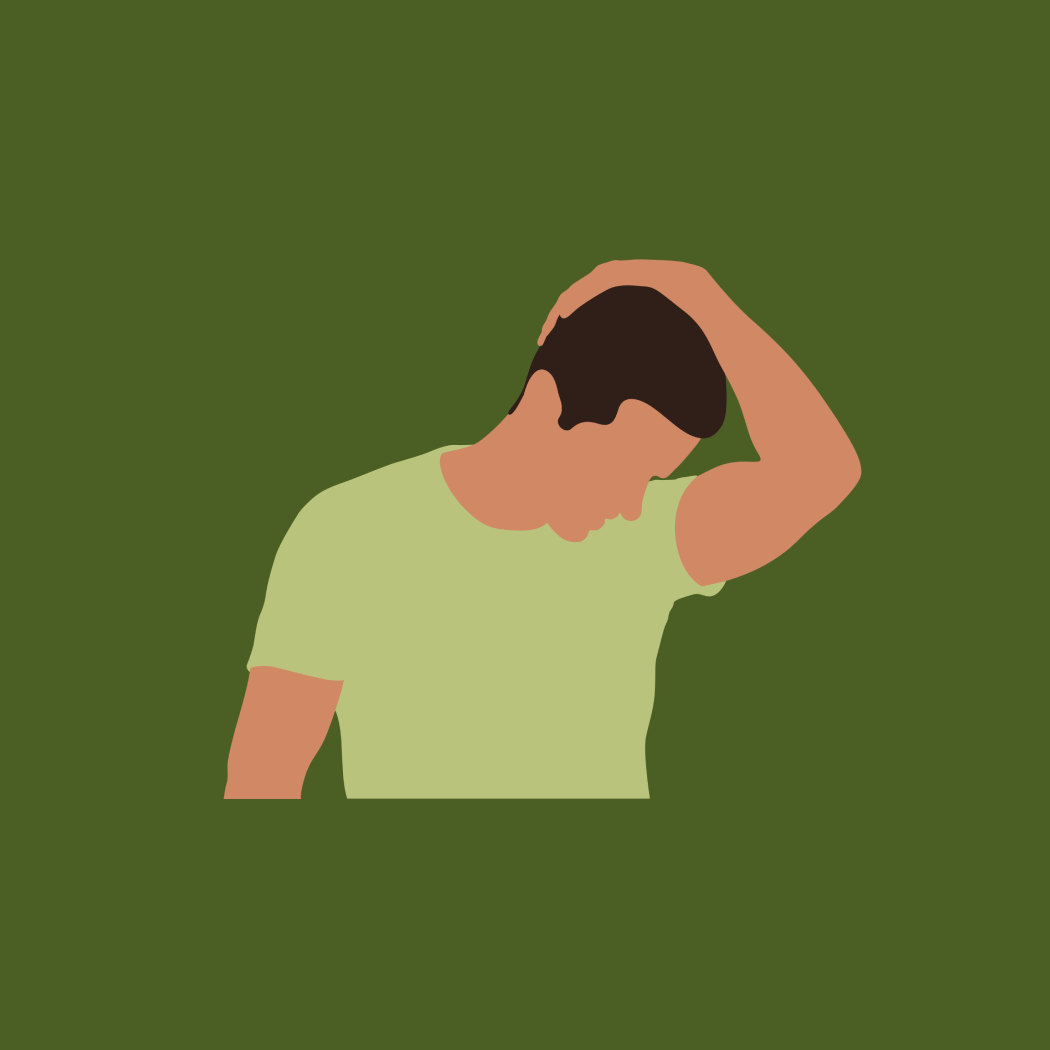
Sitting with your back straight and one hand on yo...
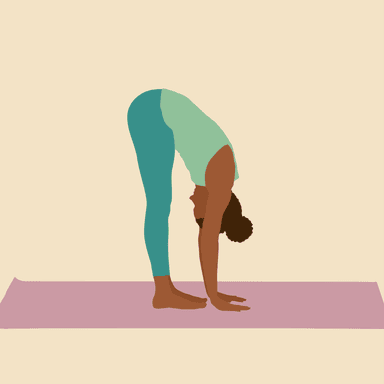
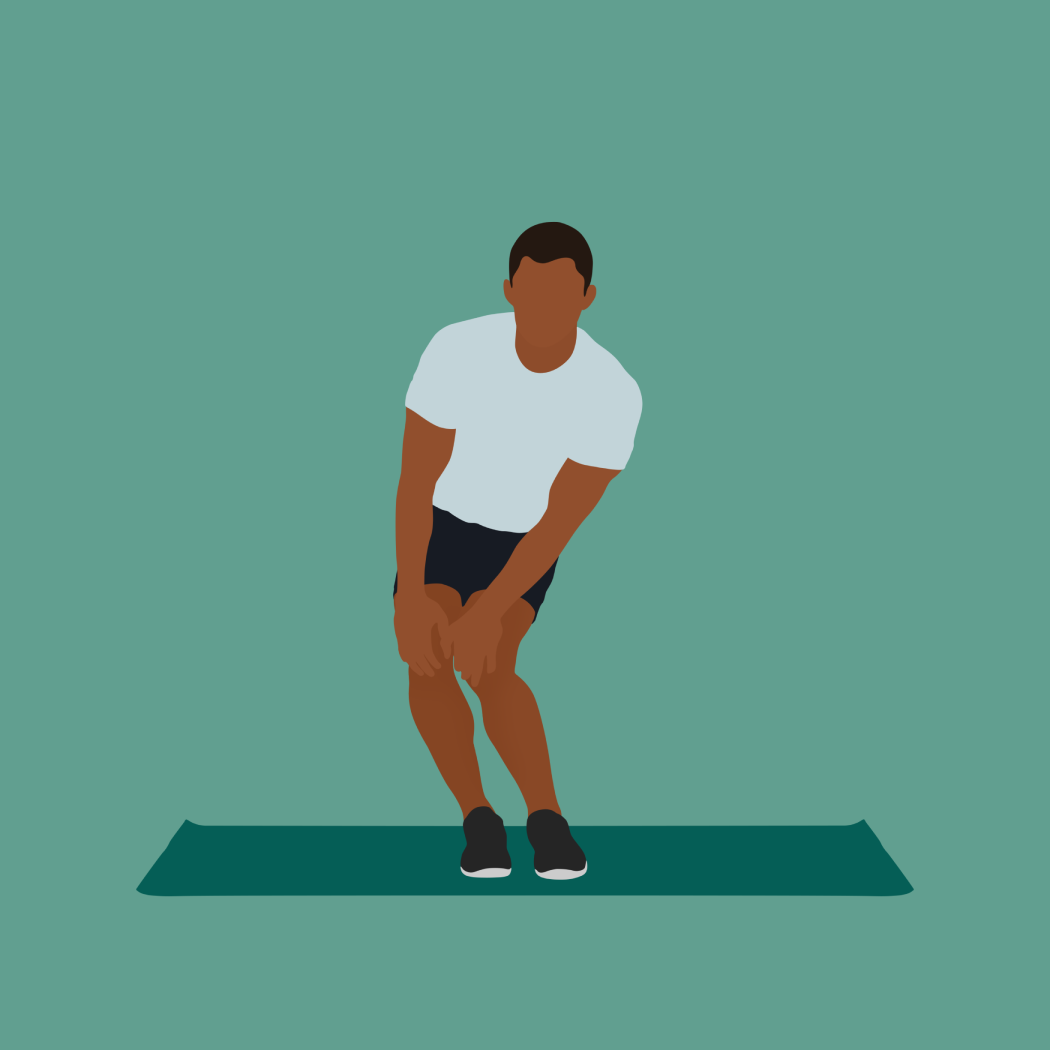
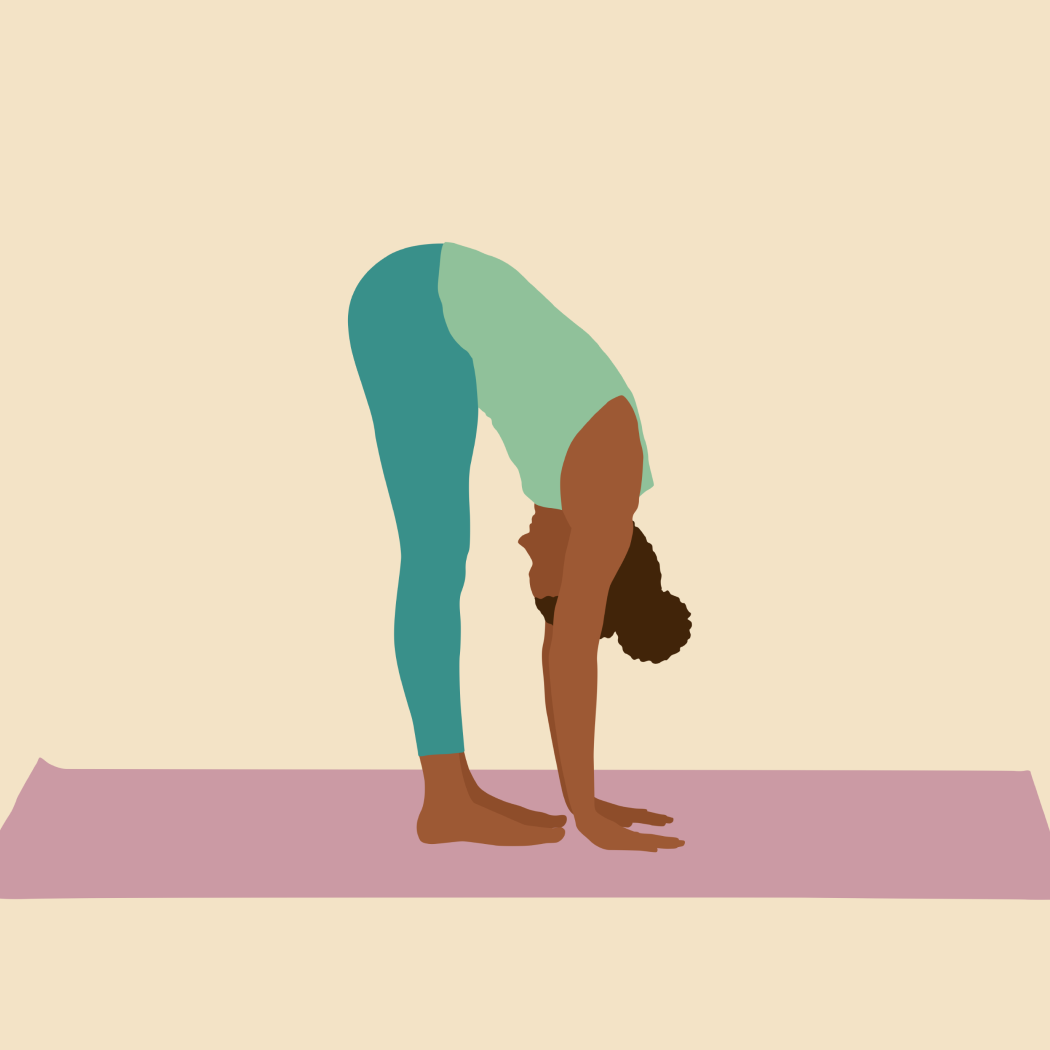
Toe Touch
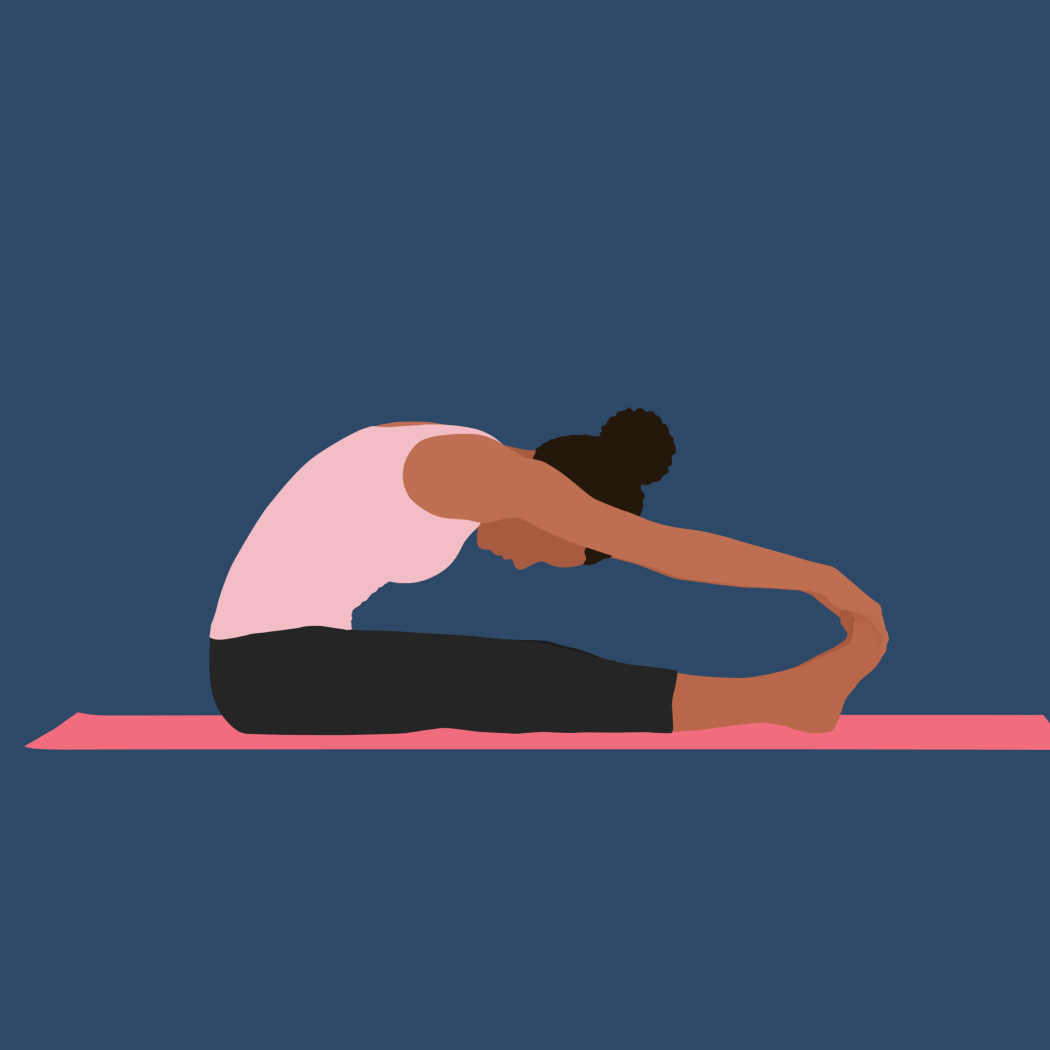
Start from a standing position with your feet hip-...
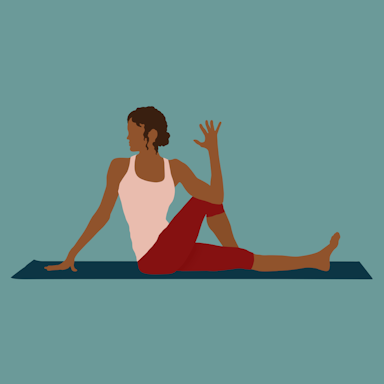
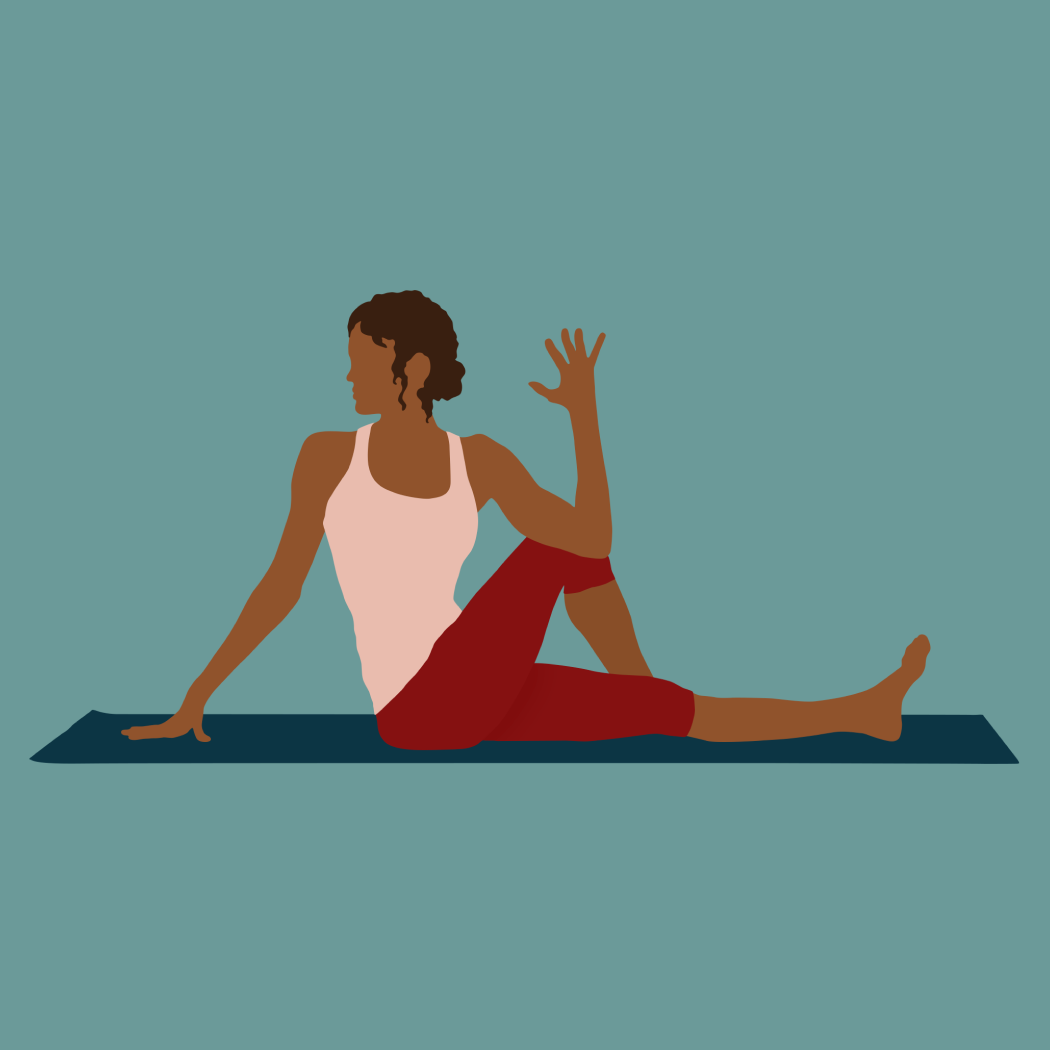
Seated Twist
Sitting upright with your legs in front of you, cr...
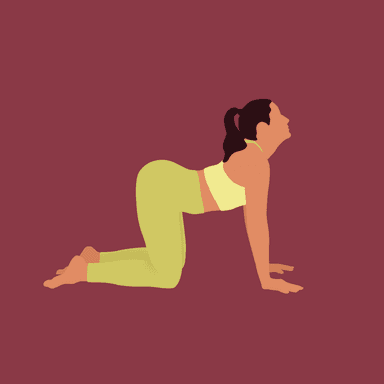
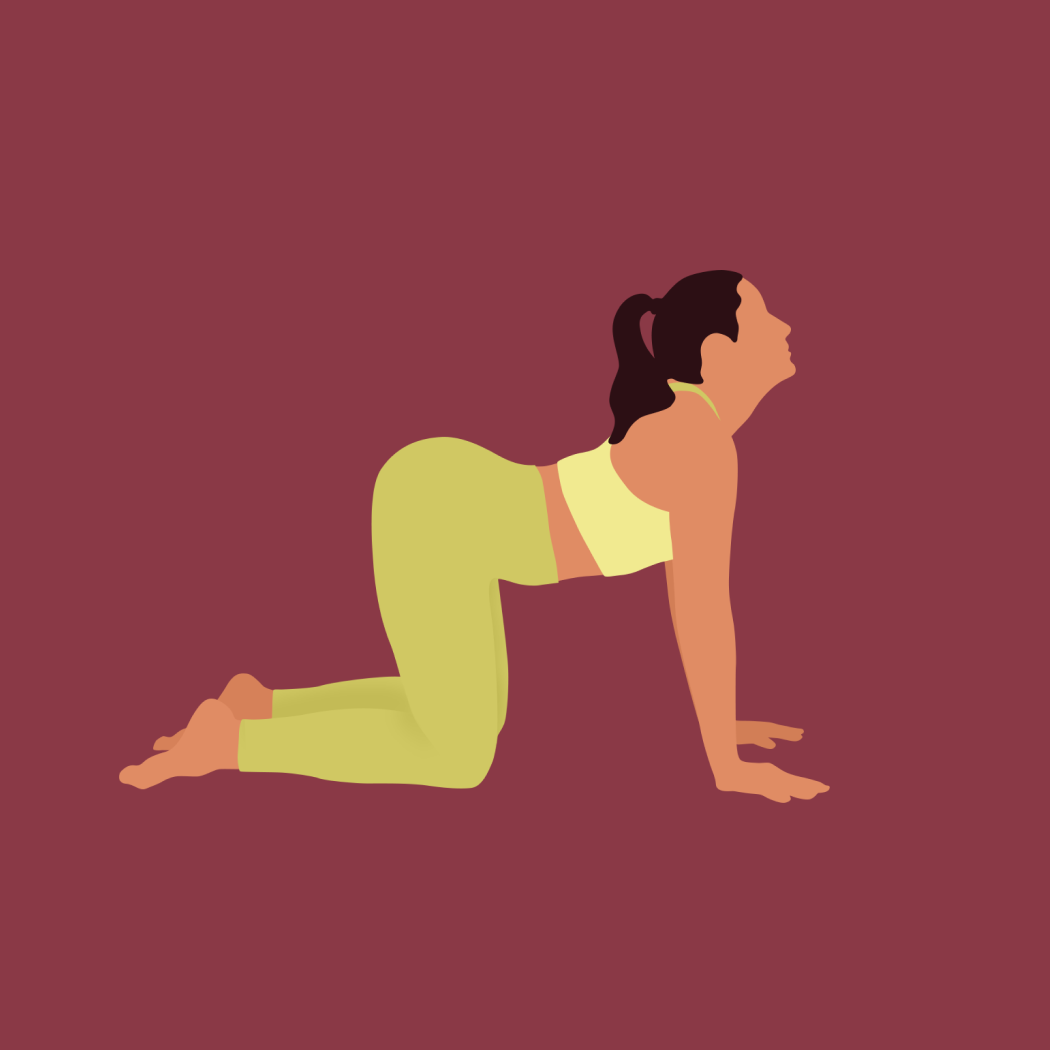
Cat Cow
Starting from all fours, drop your stomach towards...
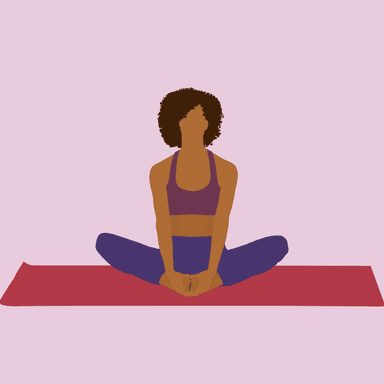
Butterfly
Sitting on the floor with your back straight, bend...
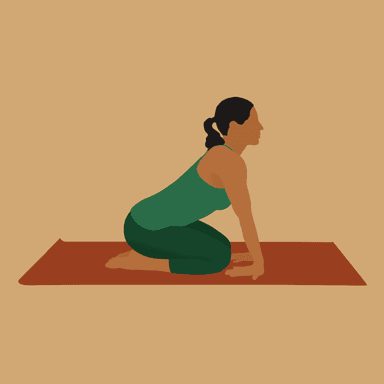
Wrist Extension
Start from a kneeling position with your knees and...
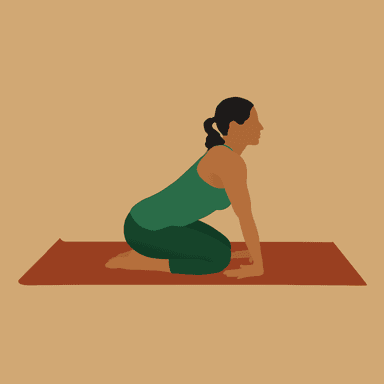
Wrist Flexion
Arm Circles
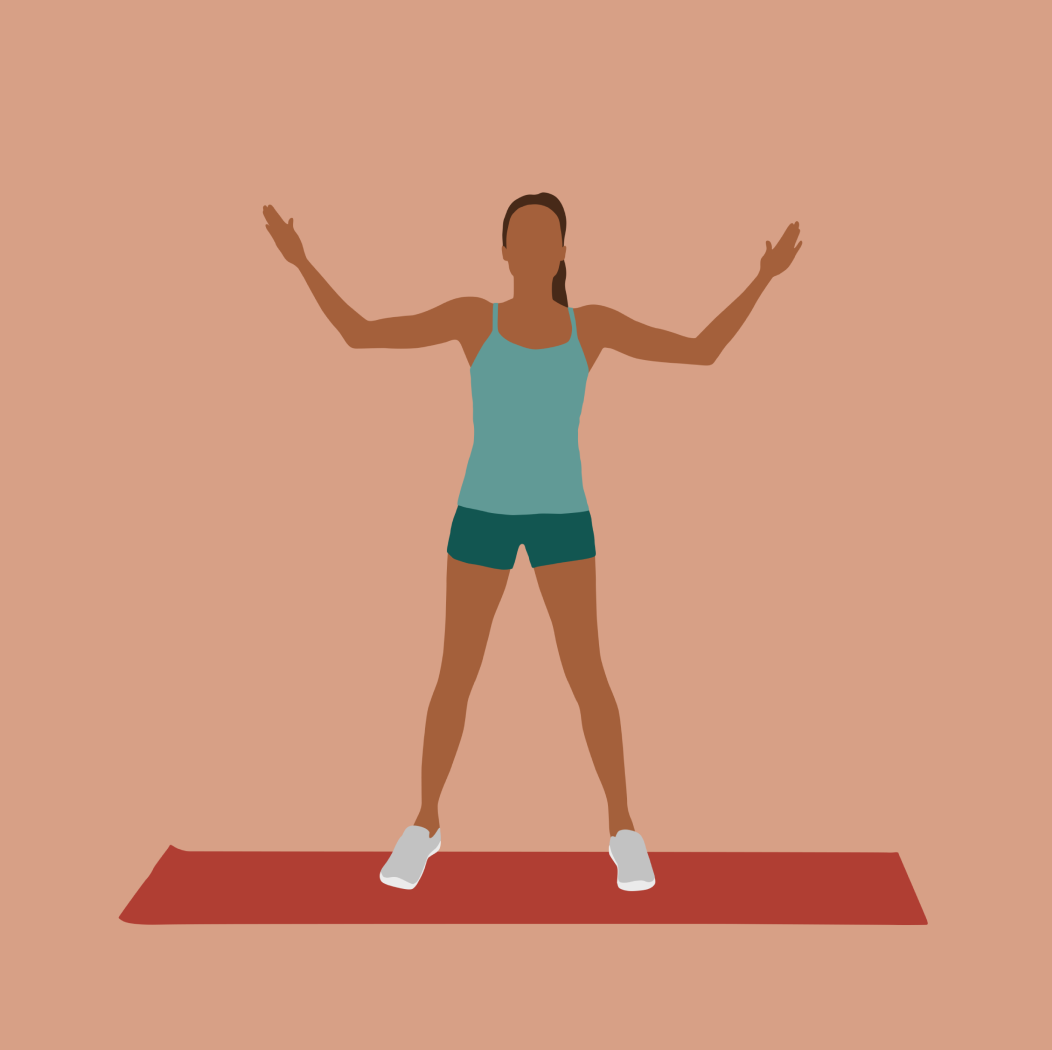
Stand with your feet shoulder-width apart and arms...
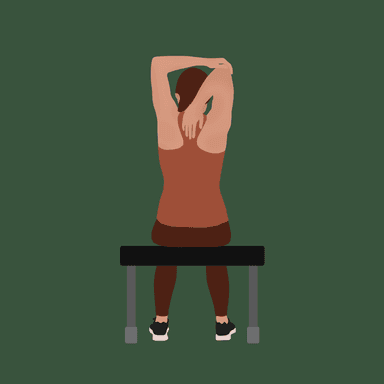
Overhead Tricep
Sitting in a chair with your back straight, raise ...
Chest Opener
Sitting in a chair with your back straight, interl...
Boxers require flexibility in their upper body, core, and legs for effective movement and punching power.
Track and field athletes need a mix of upper and lower body flexibility for running, jumping, and throwing events.
Jockeys need lower body flexibility and core strength for effective riding and control during races.
Fencers need flexibility and agility in their legs and upper body for quick movements and lunges.
Archers need upper body and arm flexibility for stability and precision in their shooting.
Taekwondo athletes need flexibility in their legs, hips, and upper body for high kicks, quick movements, and agility.
Surfers need flexibility in their legs, back, and shoulders for balance and maneuvering on the waves.
Handball players benefit from upper body and leg flexibility for throwing, catching, and quick movements.
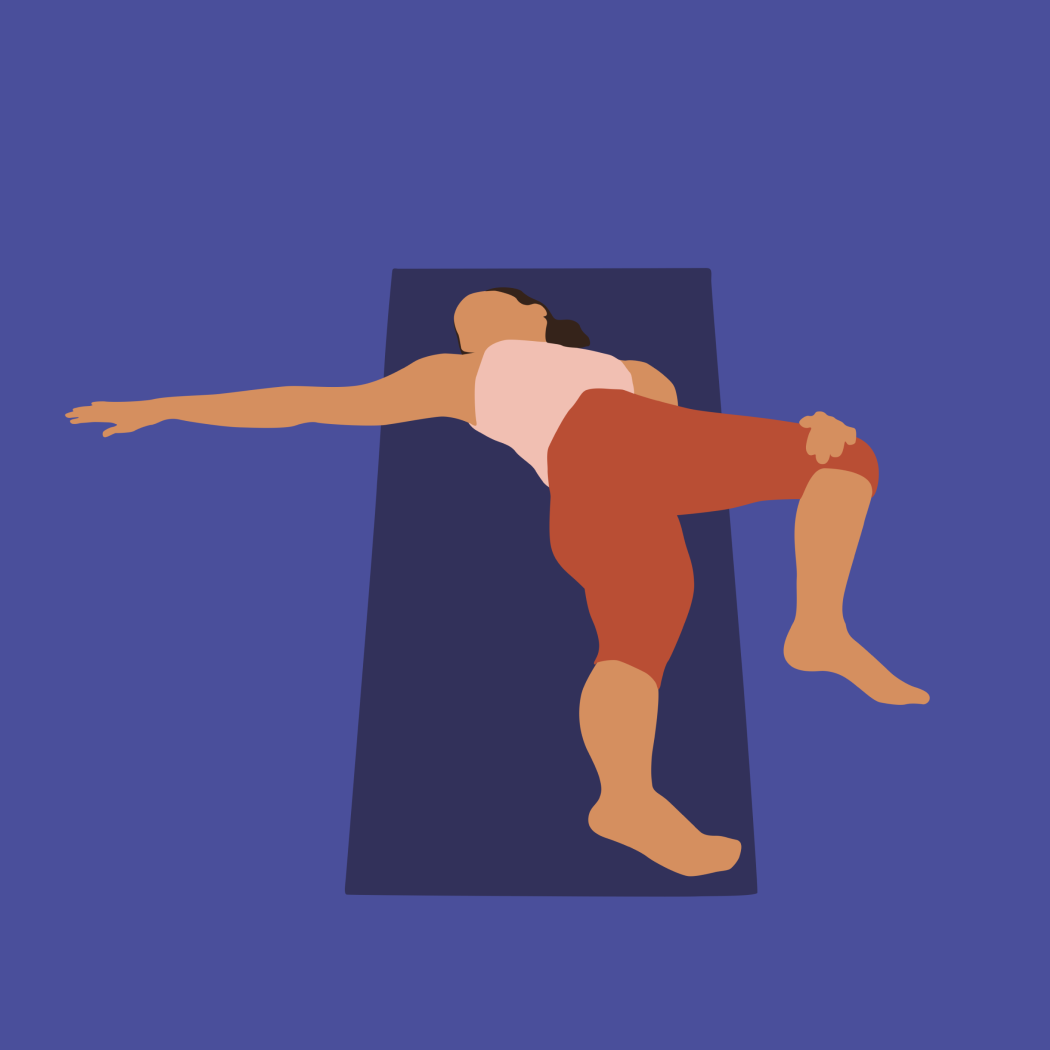
Unwind and de-stress with gentle, long-hold stretches designed to improve sleep quality by relieving muscle tension and relaxing the body.
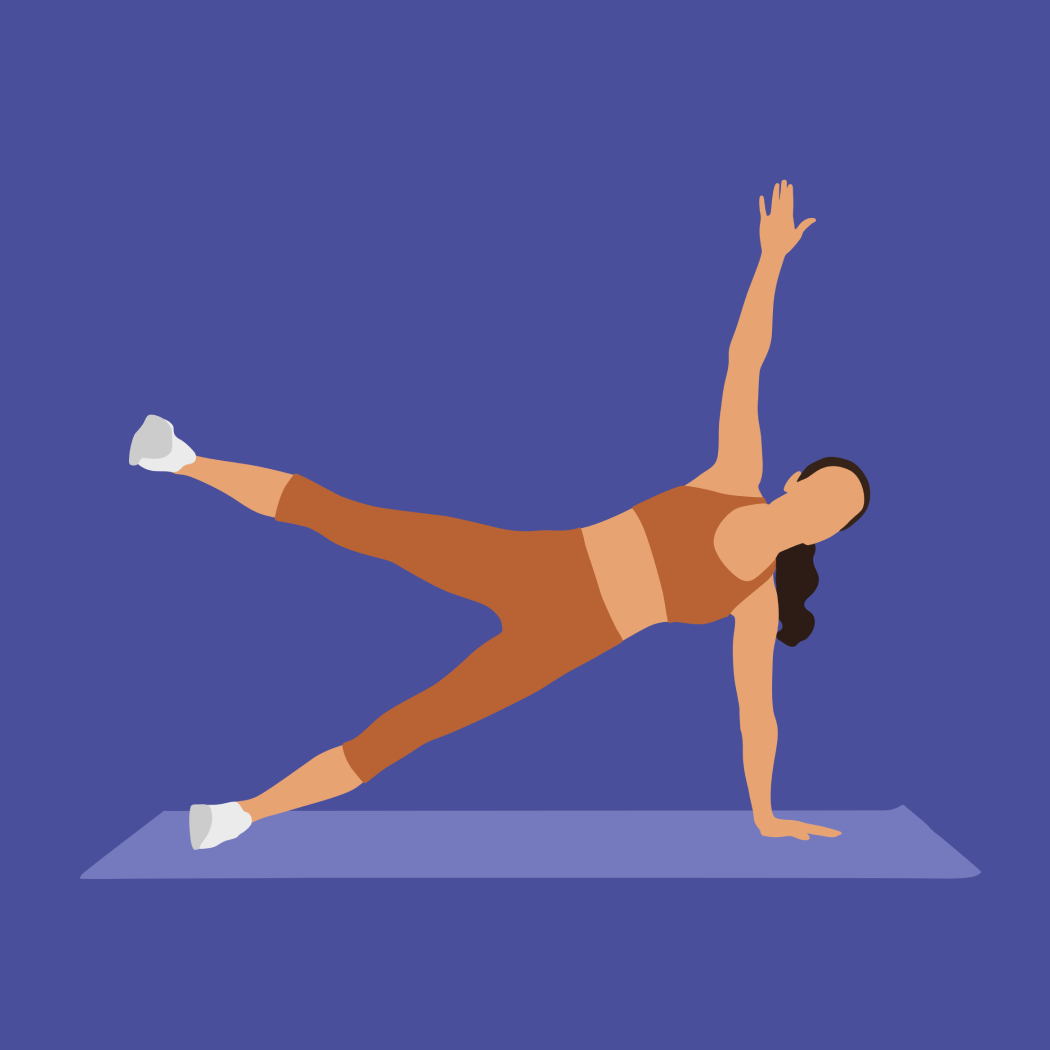
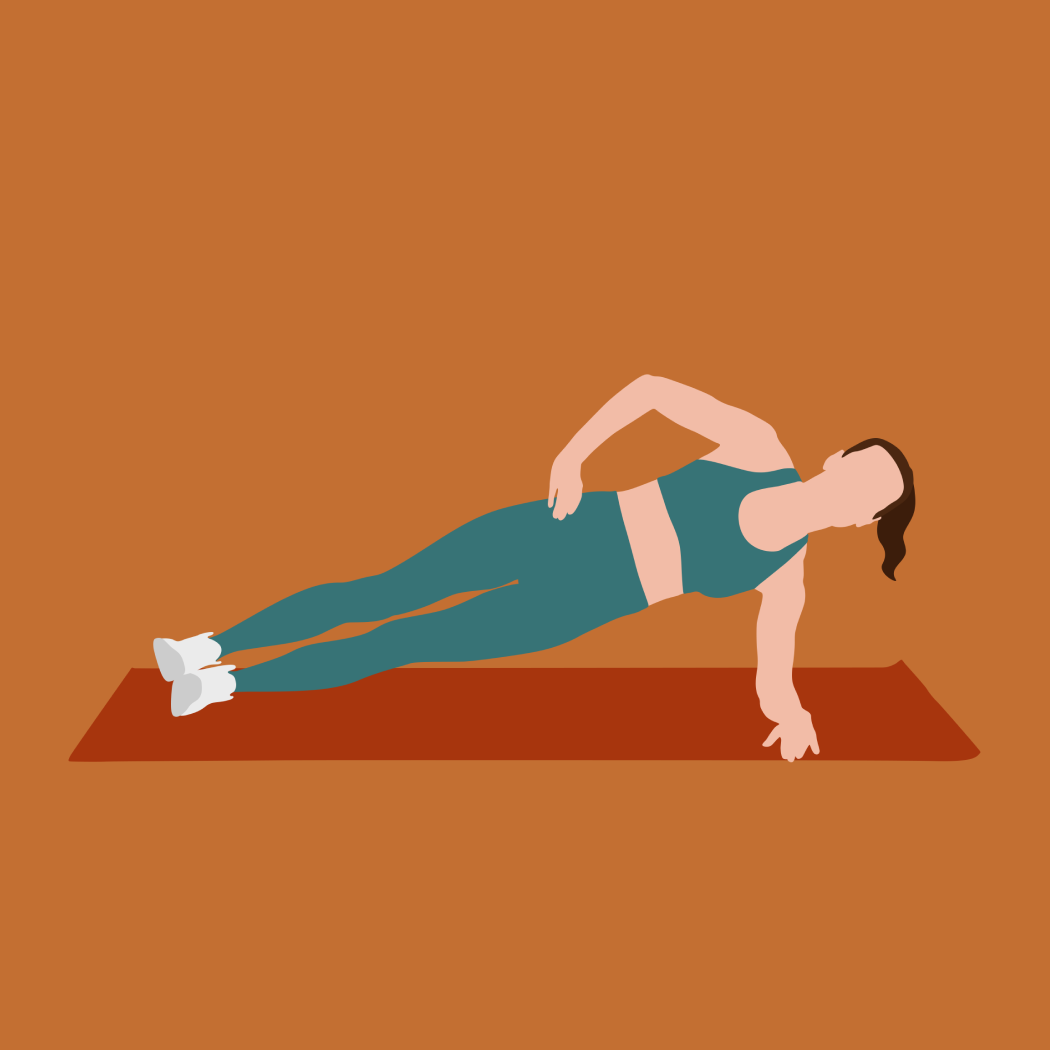
A series of plank poses activating all of the muscles in your core. A strong core improves posture and balance, increases flexibility, and reduces lower back pain.
A series of stretches designed to increase flexibility in the neck.
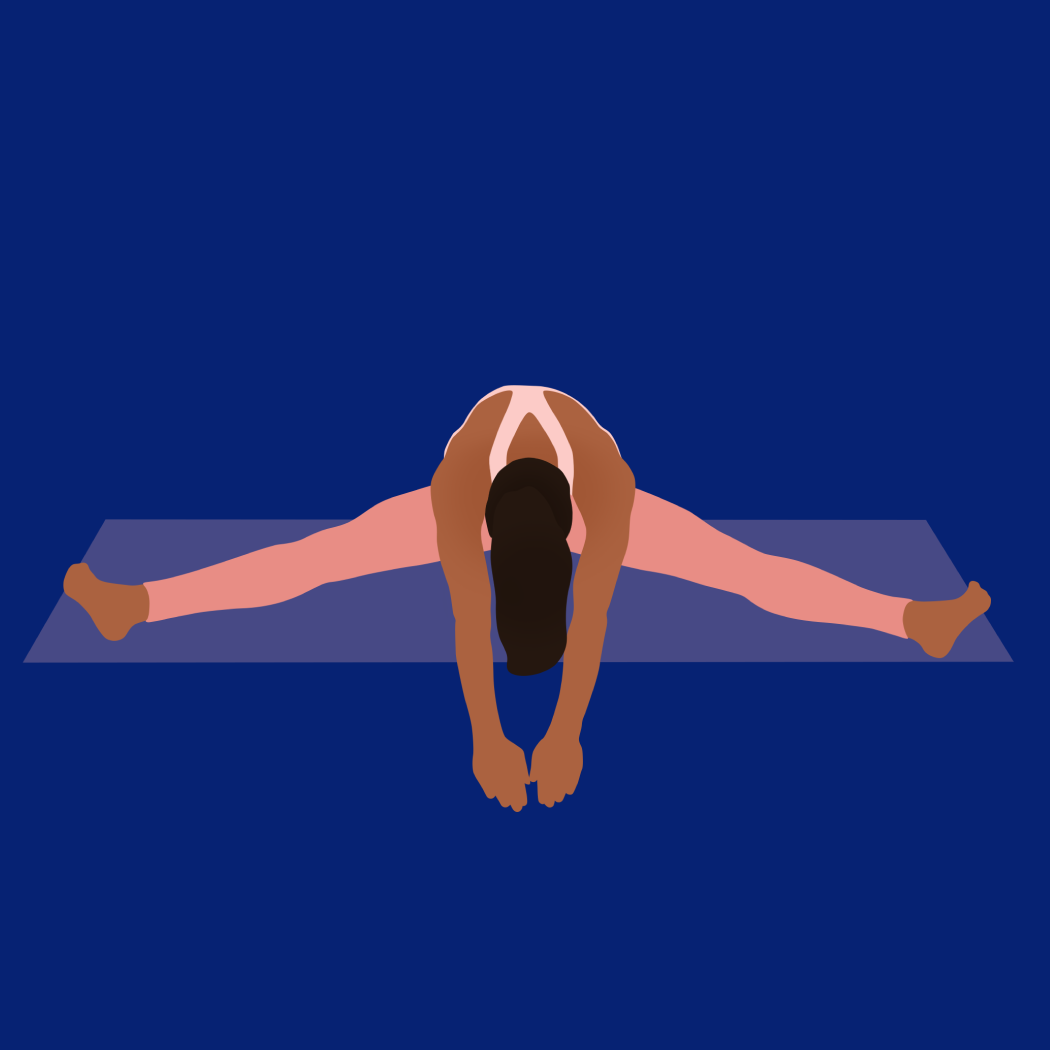
Long-hold poses designed to improve hip flexibility by targeting select muscle groups in the hips.
A series of stretches designed to increase flexibility in the hamstrings.
A comprehensive routine focused on improving overall flexibility. Move through 20+ stretches targeting key muscles and joints throughout your entire body.
Prepare your body for physical activity with dynamic movements designed to elevate your body temperature, increase blood flow to muscles, and loosen up joints.