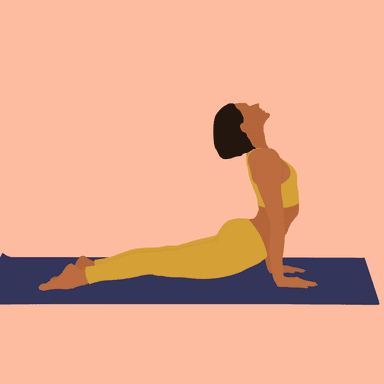
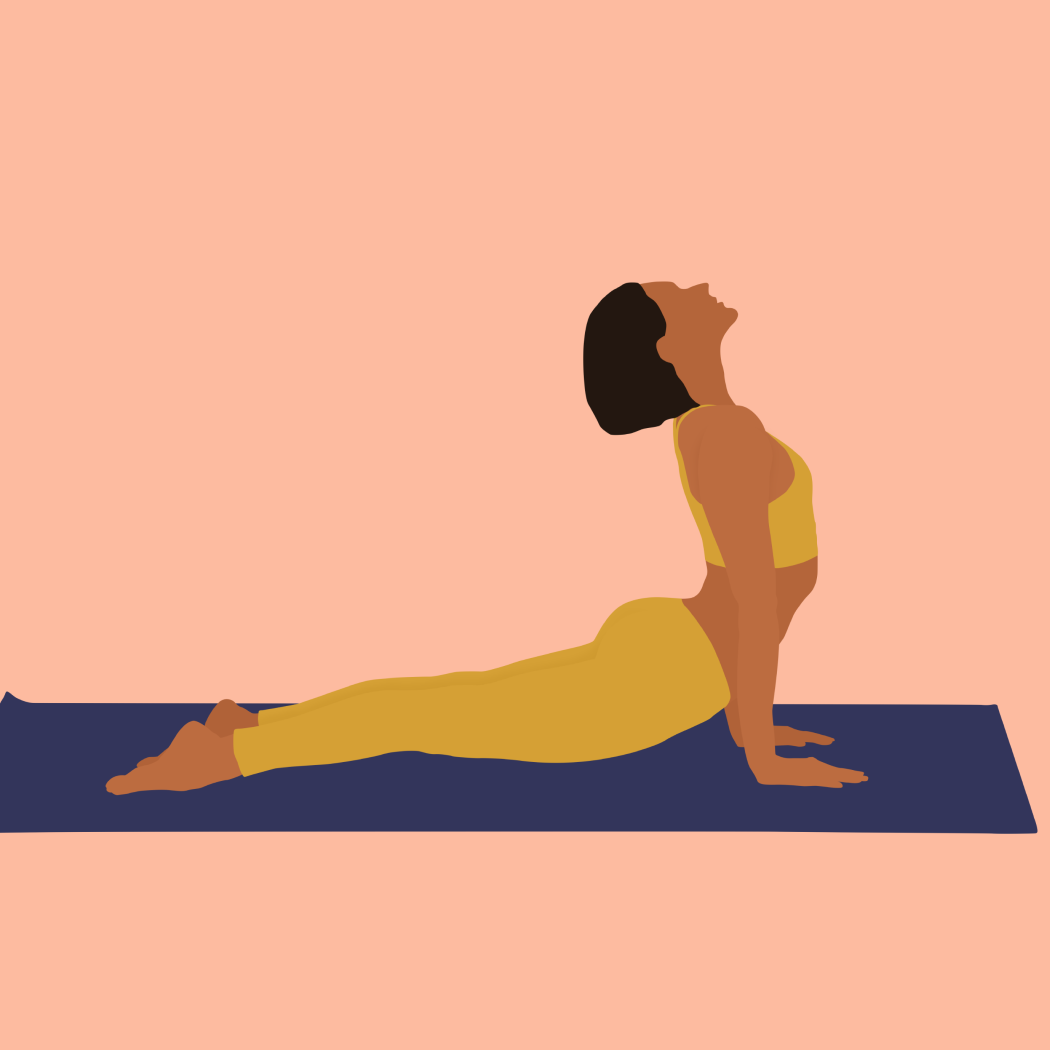
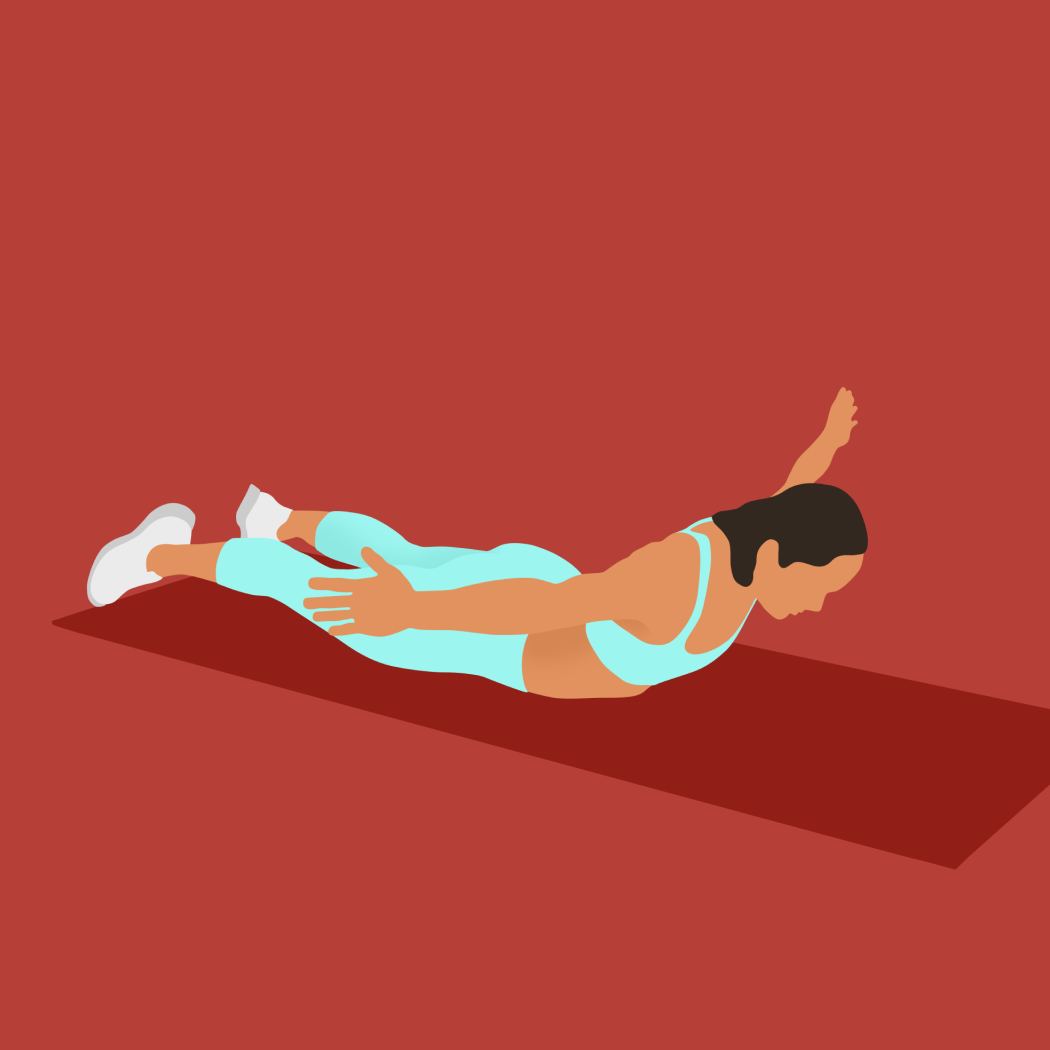
Upward Dog
Start lying face-down on the floor with your legs ...
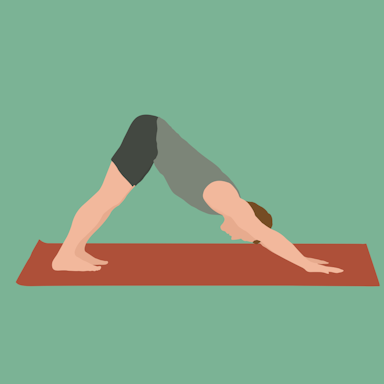
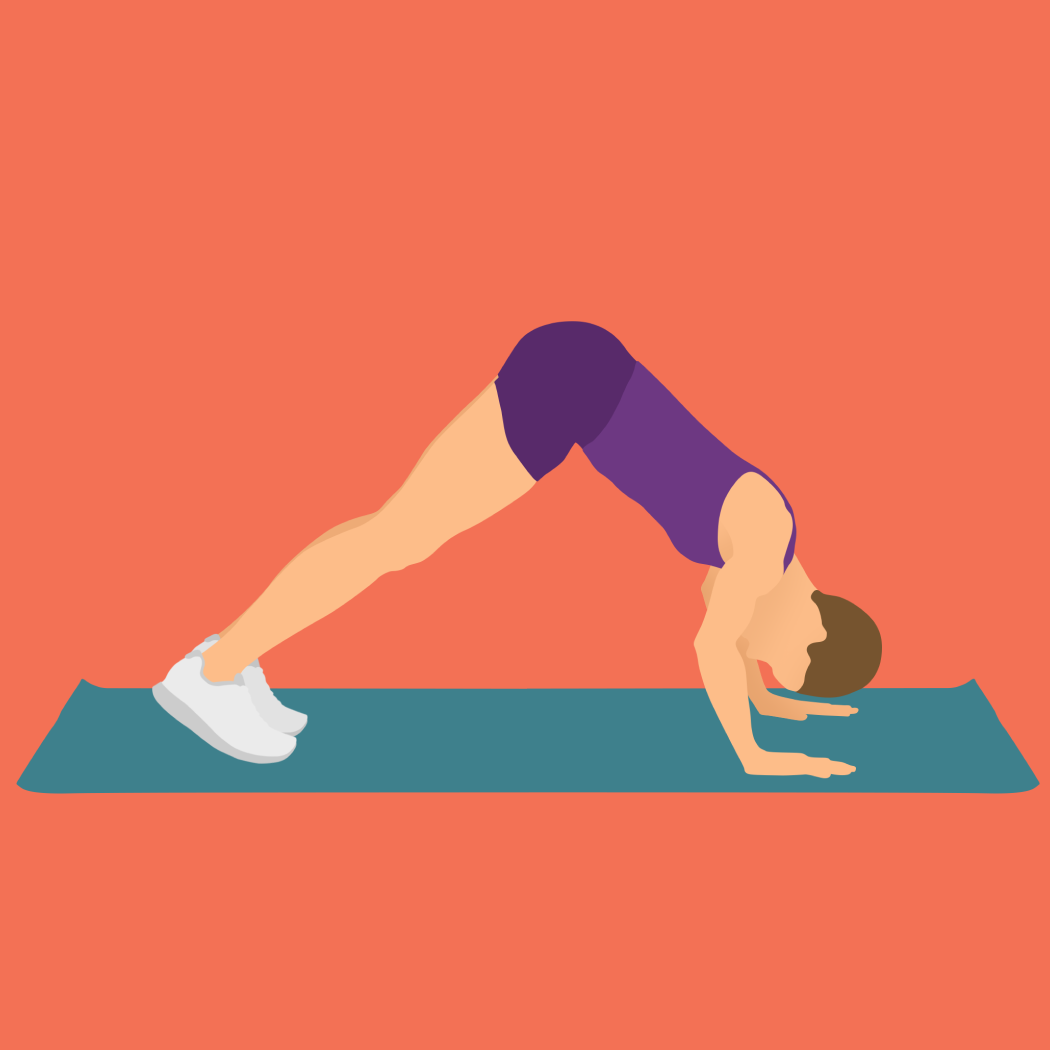
Downward Dog
Start on your hands and knees with your wrists und...
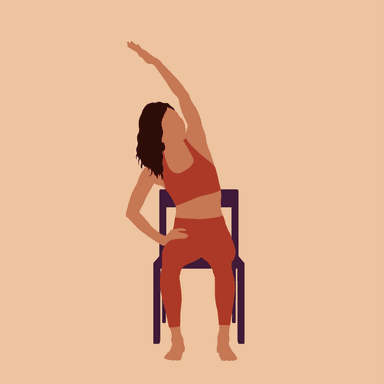
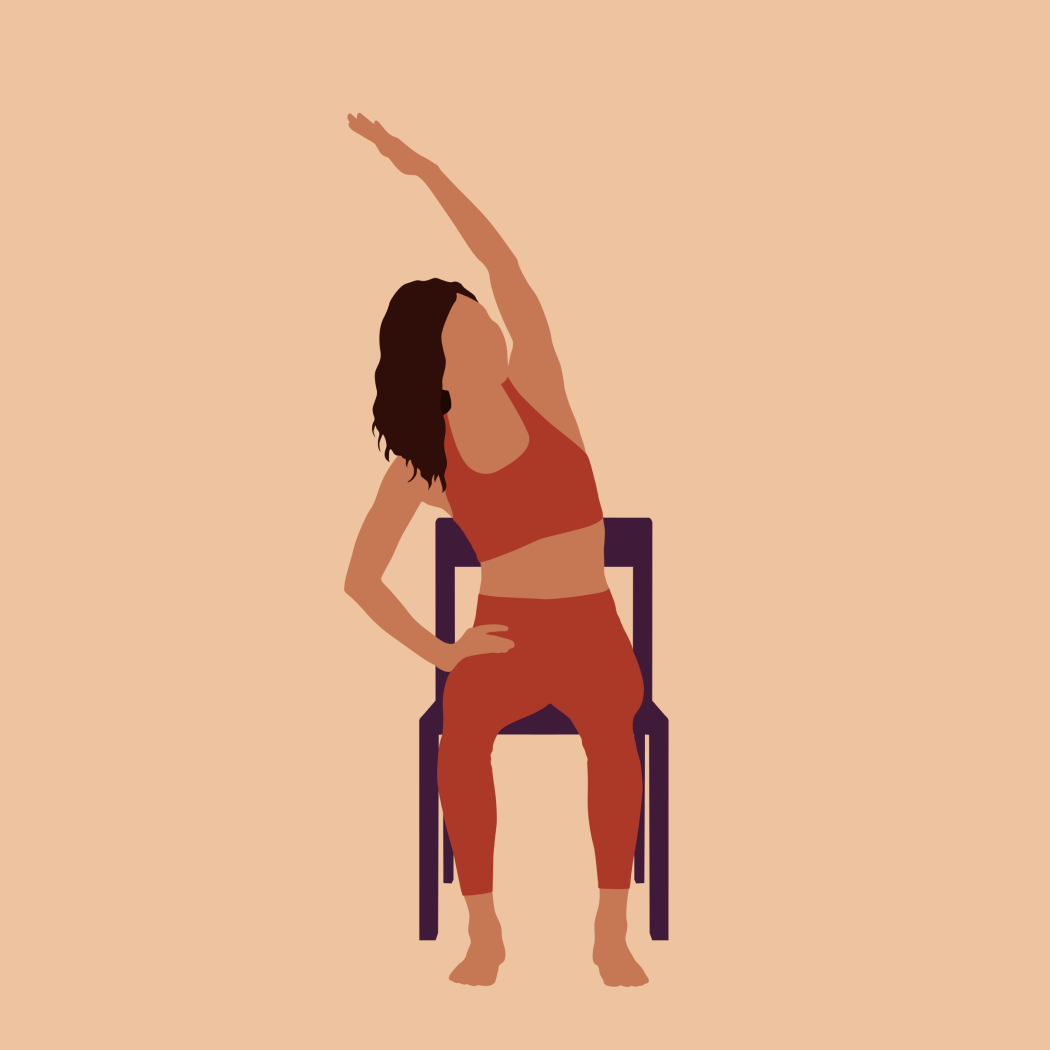
Side Bend
Sitting with your back straight and one hand on yo...
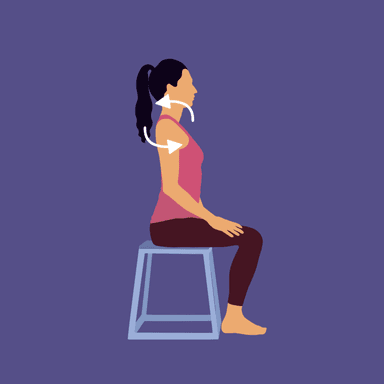
Shoulder Rolls
Sitting with your back straight and chest up, star...
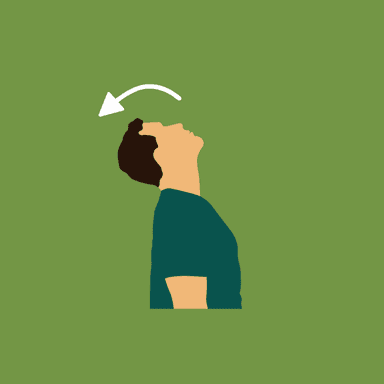
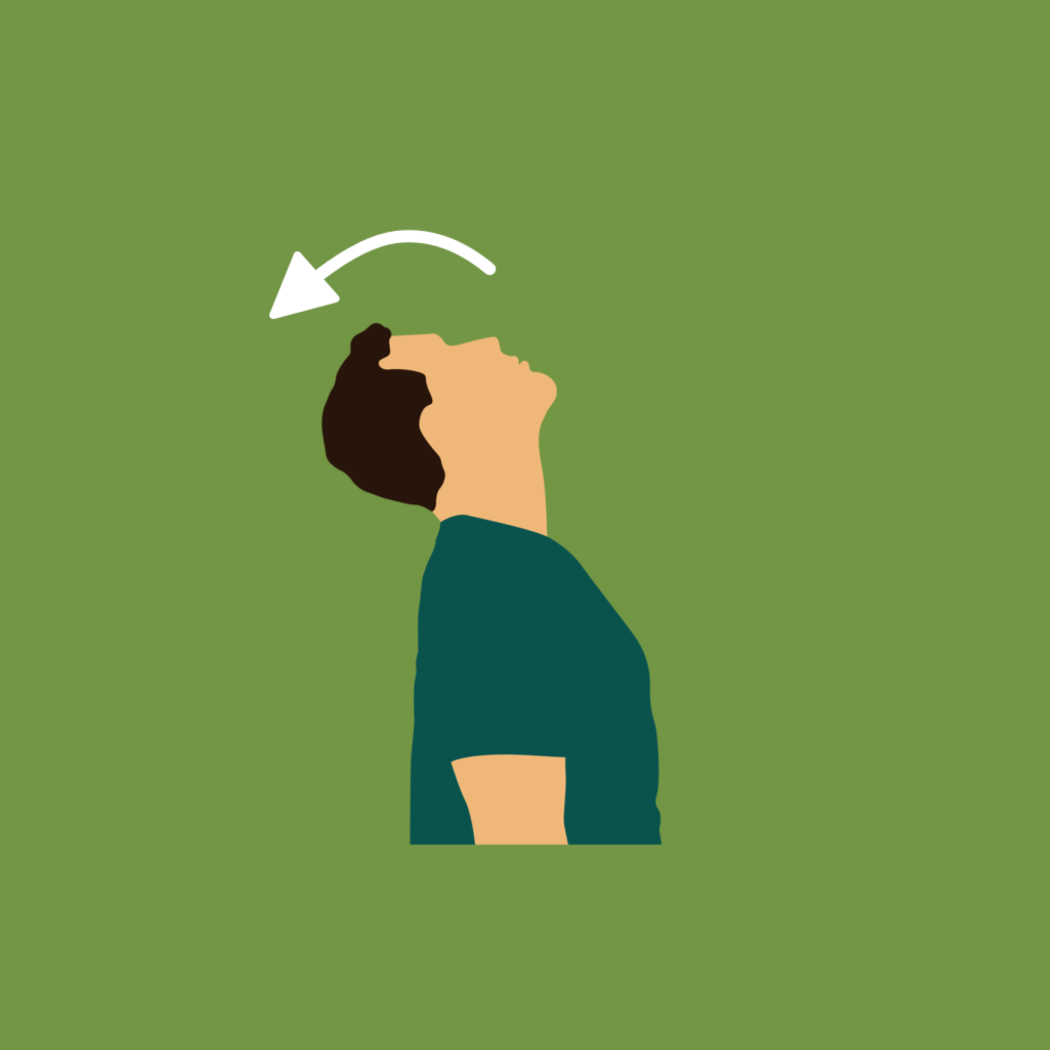
Neck Flex
Sitting with your back straight and arms resting a...
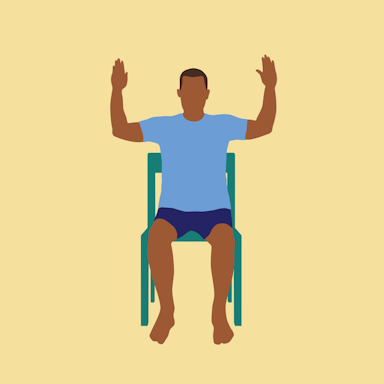
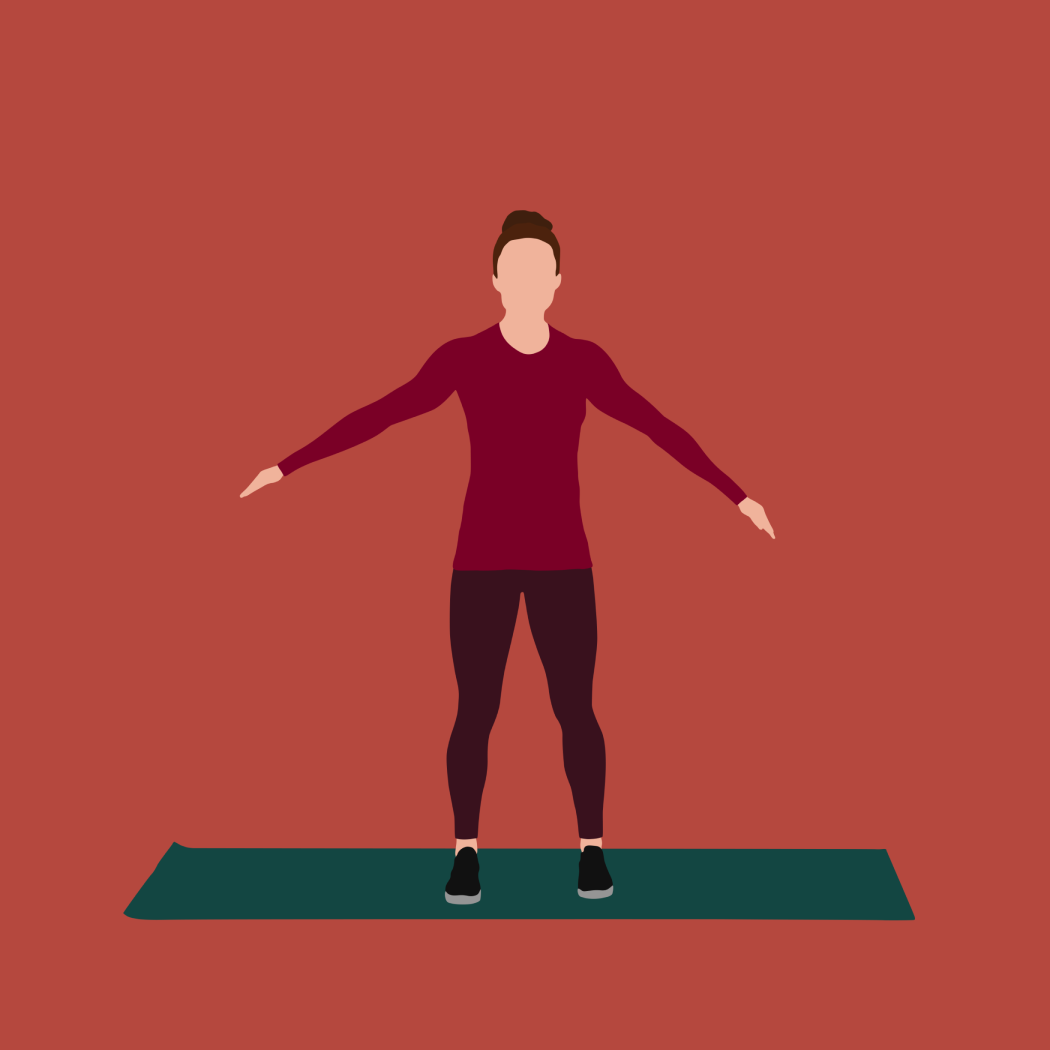
Cactus Arms
Sitting with your back straight, raise your arms o...
Trunk Rotation
Sitting in a chair with your back straight, cross ...
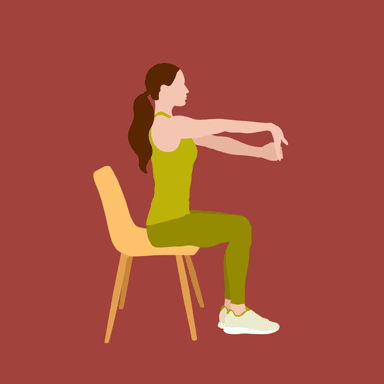
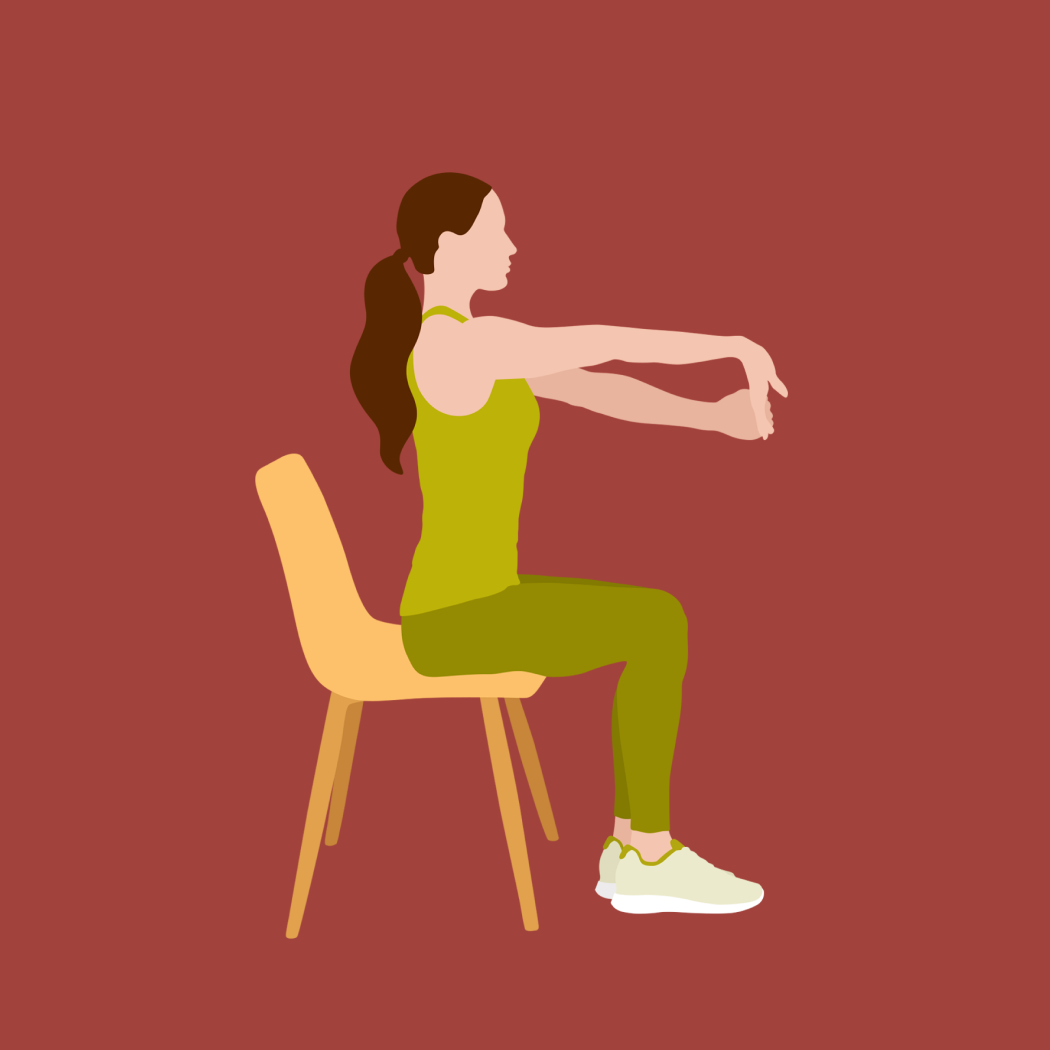
Forearm Stretch
Sitting in a chair with your back straight, extend...
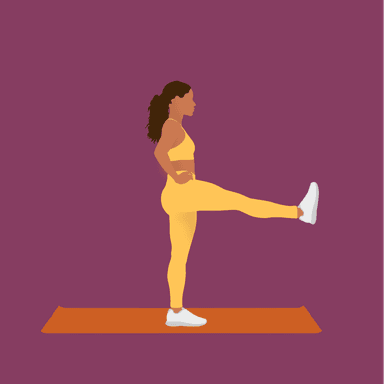
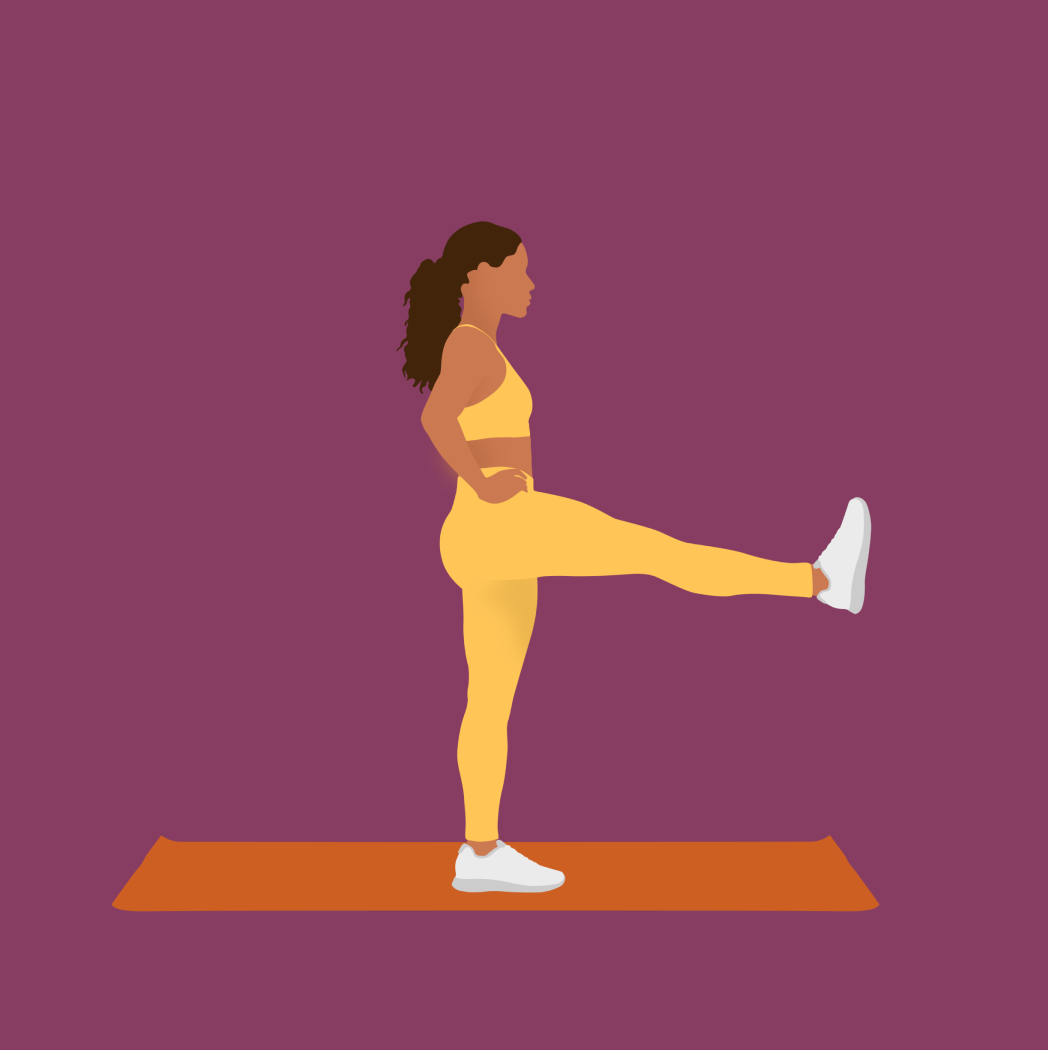
Leg Swings
Stand with your feet hip-width apart and hold onto...
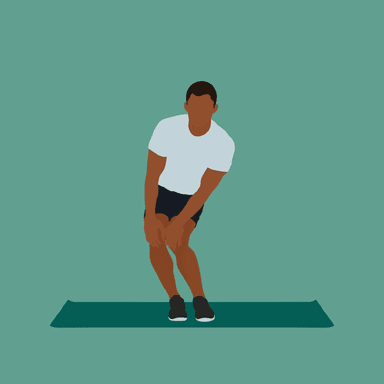
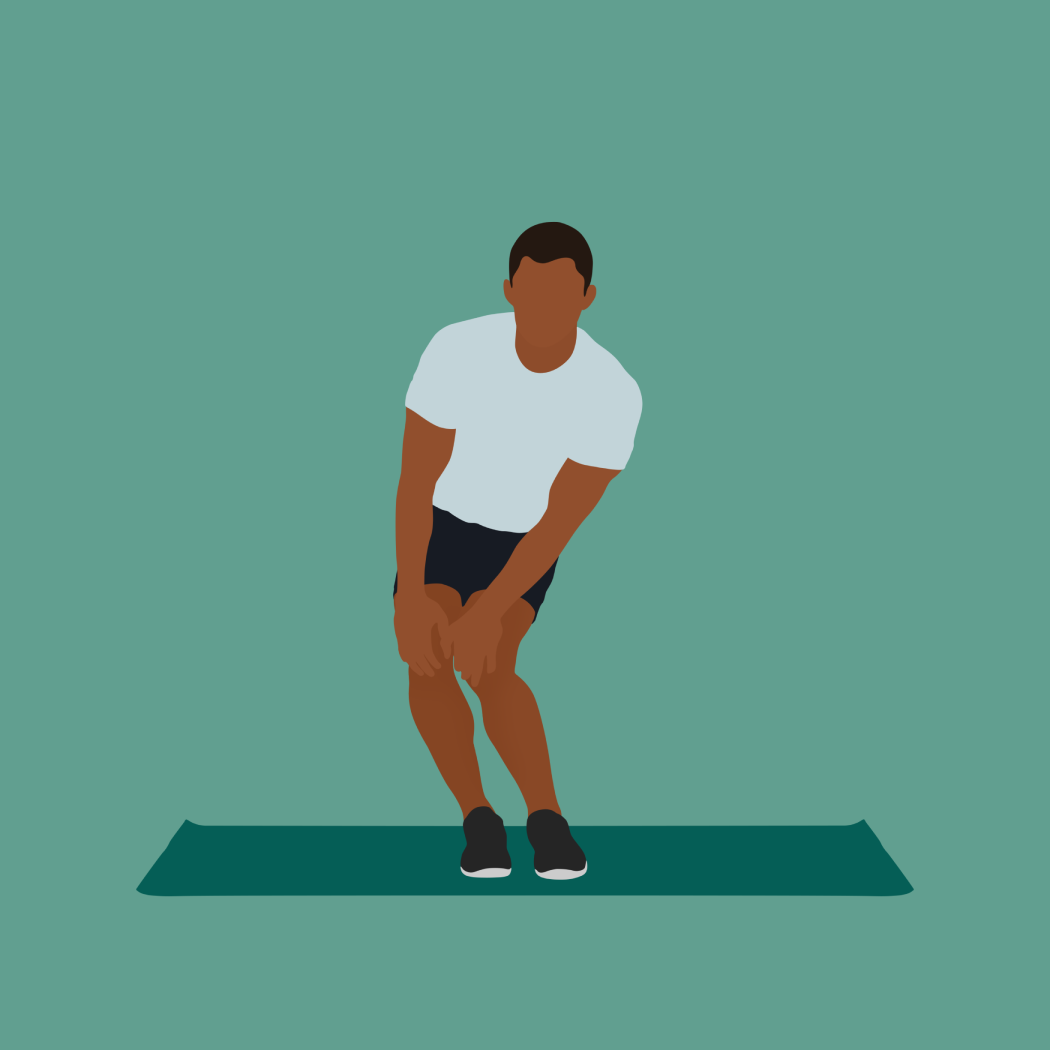
Knee Circles
Stand with your feet together and knees slightly b...
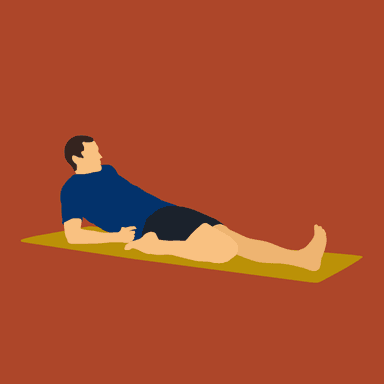
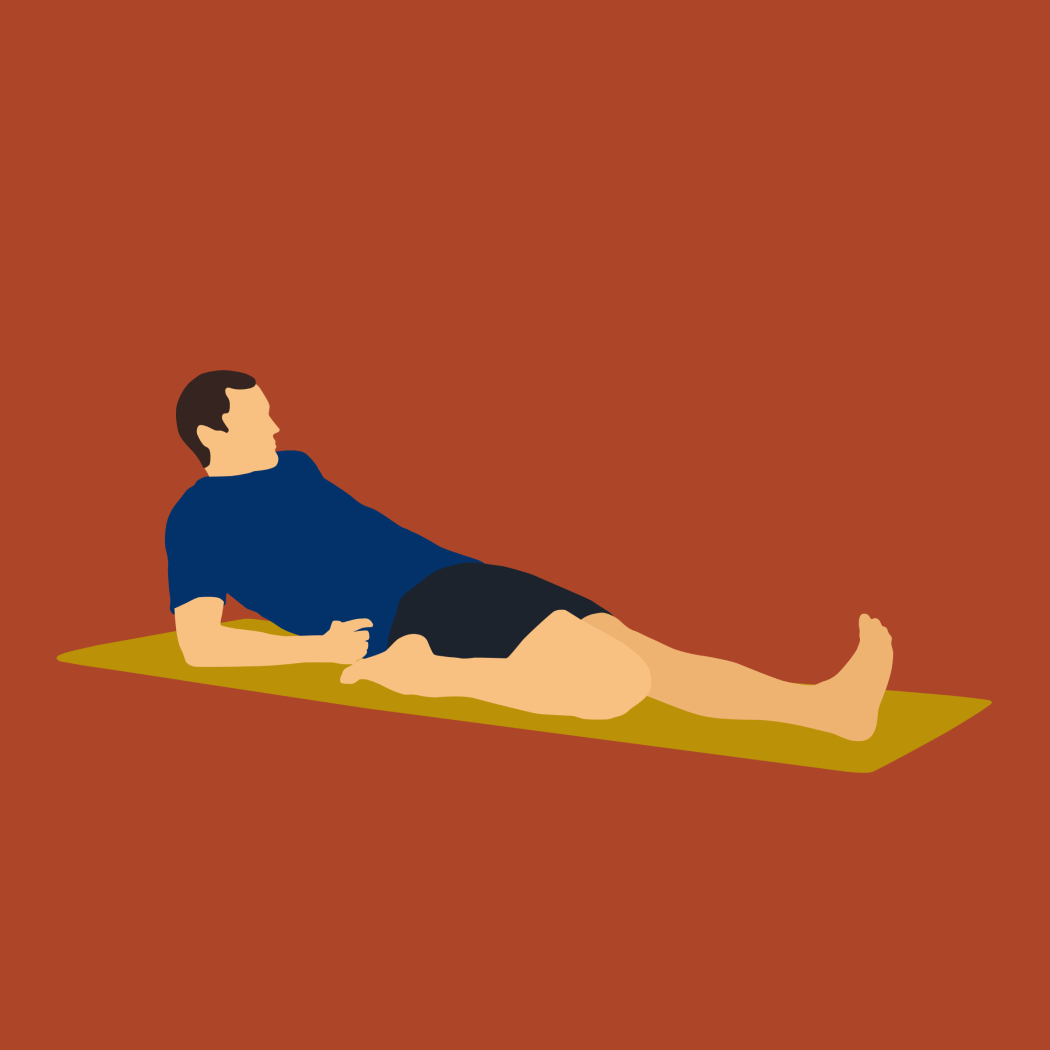
Quad Stretch
Start sitting on the floor with your legs extended...
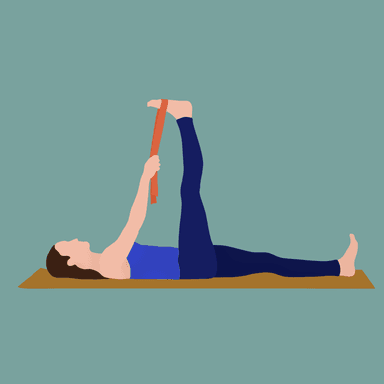
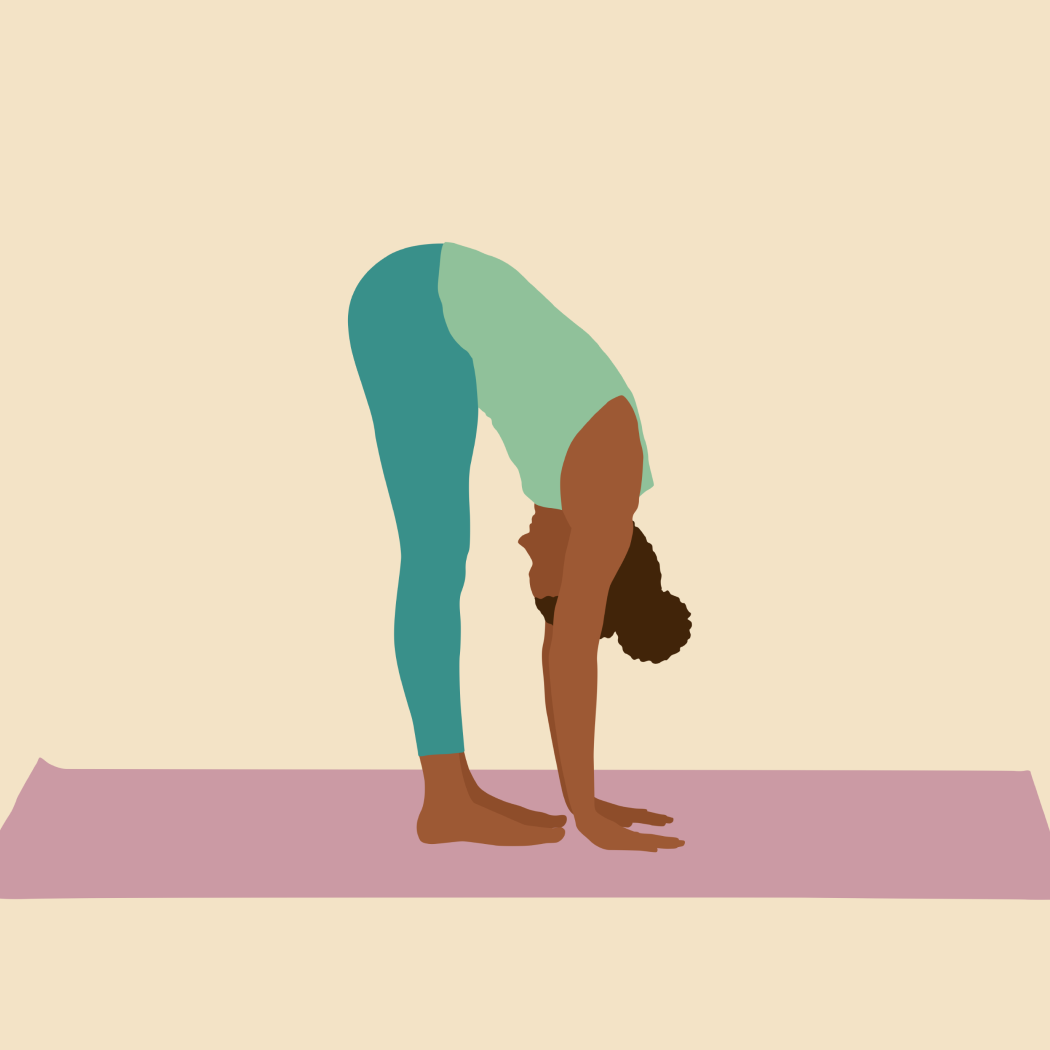
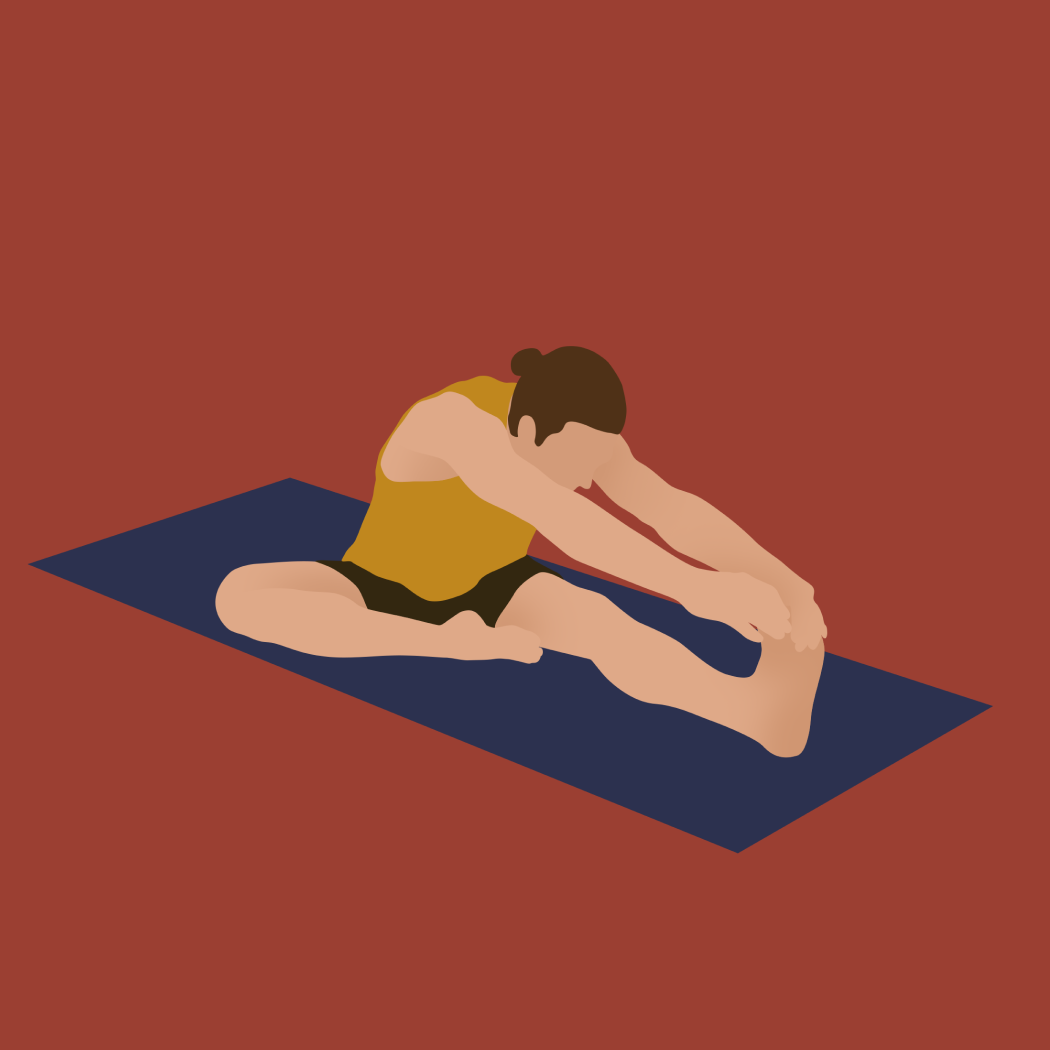
Hamstring Pulls
Start from a seated position on the floor with you...
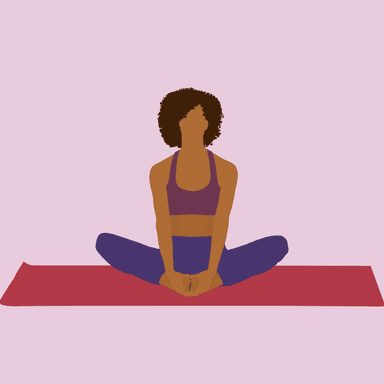
Butterfly
Sitting on the floor with your back straight, bend...
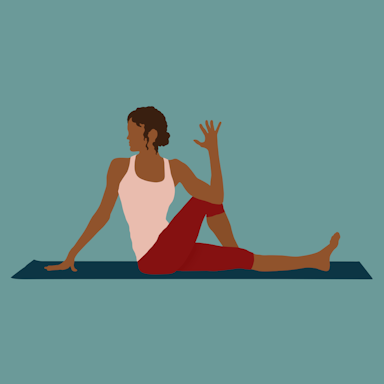
Seated Twist
Sitting upright with your legs in front of you, cr...
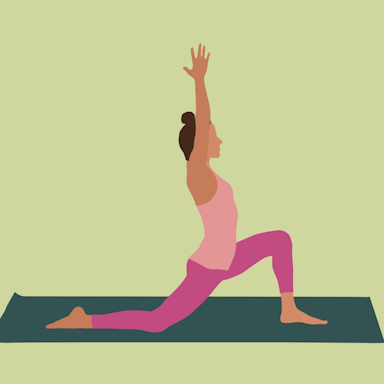
Lunge
Start from a kneeling position with your hands at ...
Table tennis players need good upper body and wrist flexibility for control and speed in their strokes.
Fencers need flexibility and agility in their legs and upper body for quick movements and lunges.
Cyclists need lower body and back flexibility for pedaling efficiency and to reduce strain.
Rock climbers need upper body, forearm, and leg flexibility for climbing and reaching movements.
Curling players require flexibility in their legs, back, and arms for stability during delivery and sweeping motions.
Runners benefit from leg and lower back stretches to prevent injuries and improve stride efficiency.
Snooker and pool players require upper body flexibility and wrist mobility for accurate cue control.
Rowers require flexibility in their back, shoulders, and legs for effective rowing strokes and endurance.
A series of stretches designed to increase flexibility in the lower back.
A series of stretches designed to increase flexibility in the neck.
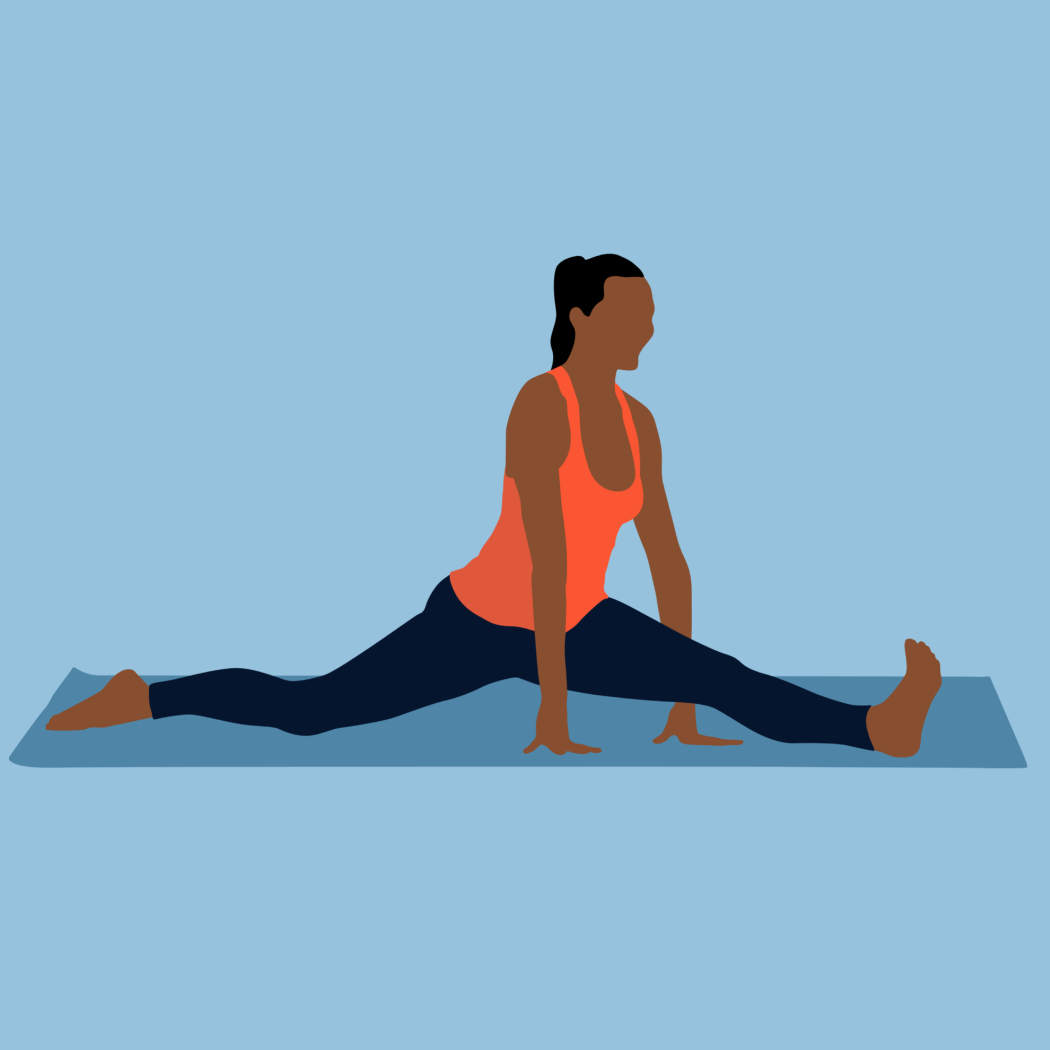
Splits are one of the ultimate flexibility milestones. Deepen your front splits with a daily routine designed to target your hips, hamstrings, and glutes.
A series of planks and isometric exercises that improve posture by strengthening muscles in the core and back, supporting proper alignment of the spine, and improving balance and stability.
Improve hamstring flexibility with subtle stretches designed to reduce hamstring tightness and relieve pressure on the knees, pelvis, and lower back.
Achieve a full range of motion in your shoulders with long-hold stretches designed to restore shoulder mobility, relieve neck and back tension, and improve posture.
An isometric exercise routine thats build muscle, strength, balance, and range of motion in targeted areas through static muscle contraction.
Fix rounded shoulders, forward head posture, and a curved upper spine with stretches that lengthen muscles in your chest, shoulders, and neck.