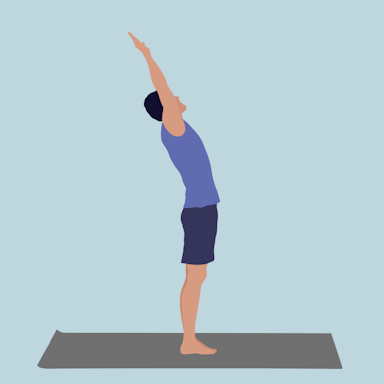
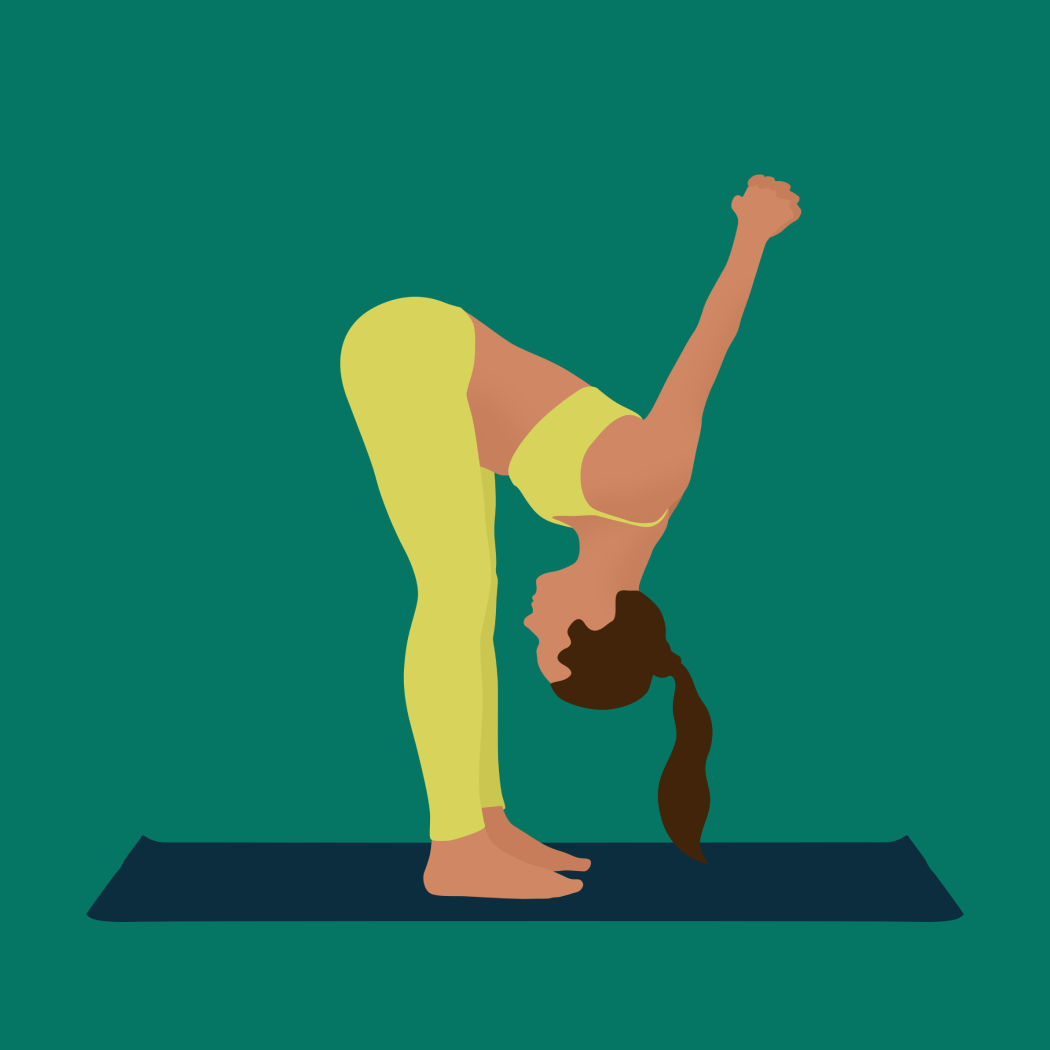
Upward Salute
Start from a standing position with your arms hang...
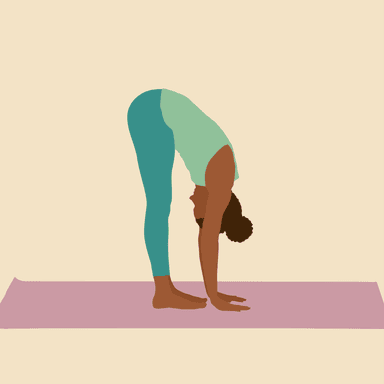
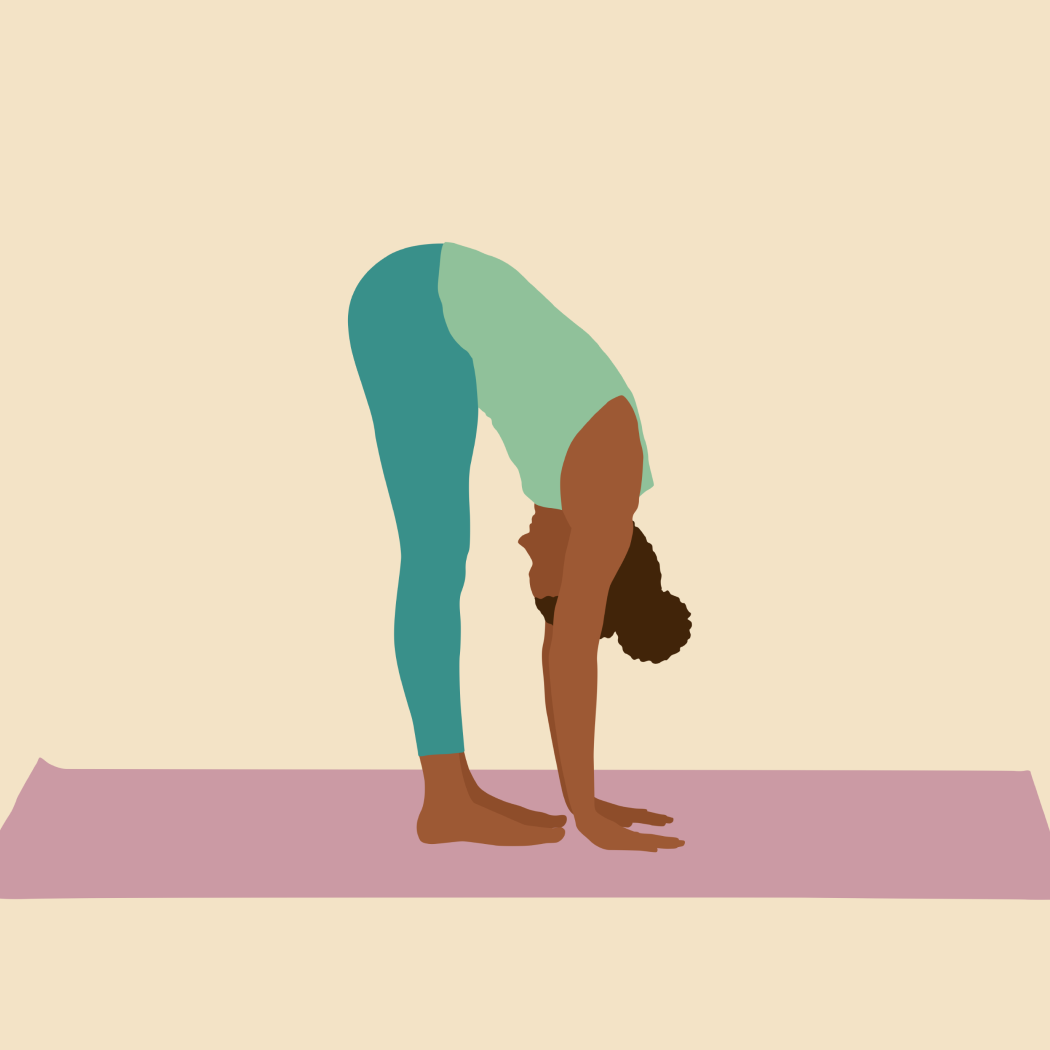
Toe Touch
Start from a standing position with your feet hip-...
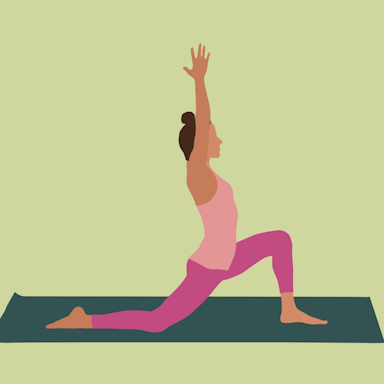
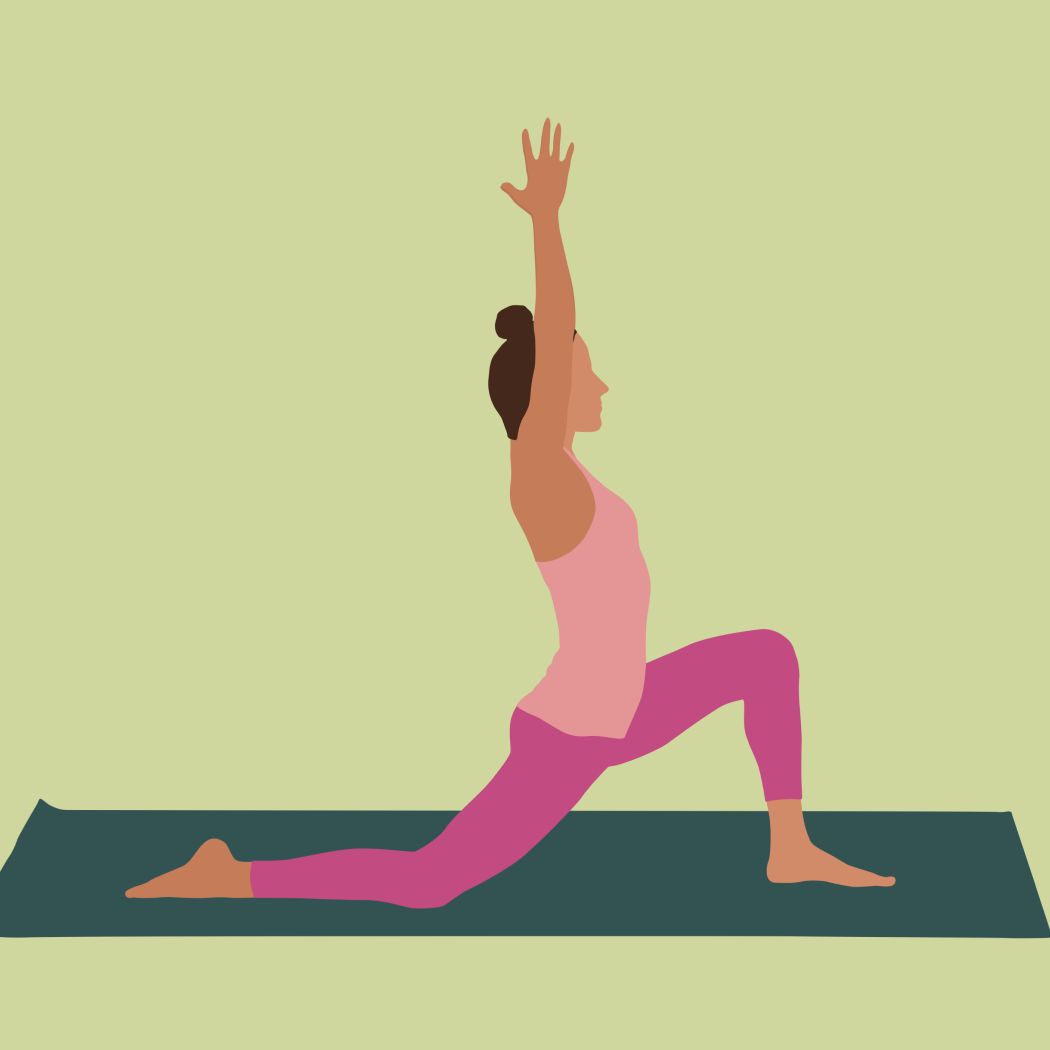
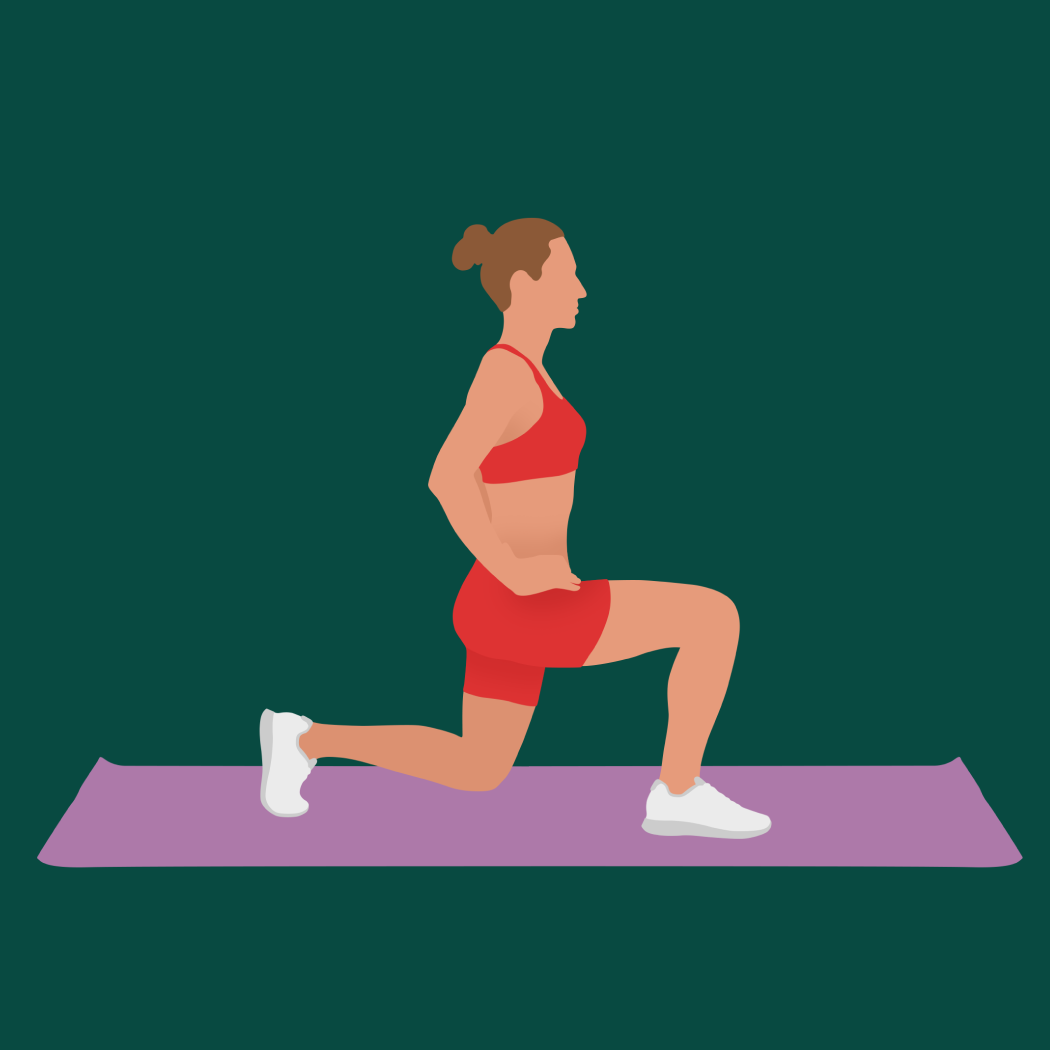
Lunge
Start from a kneeling position with your hands at ...
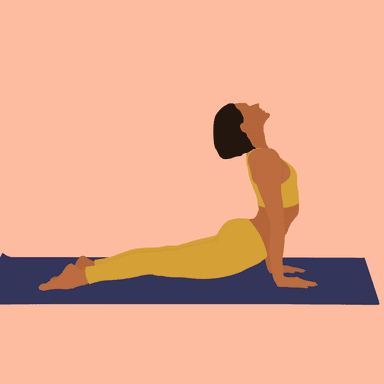
Upward Dog
Start lying face-down on the floor with your legs ...
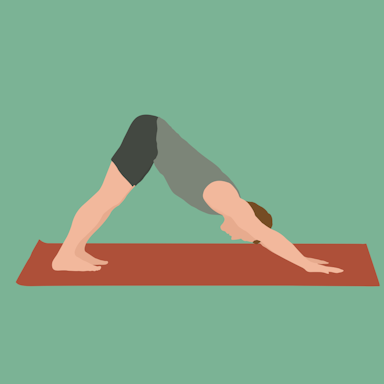
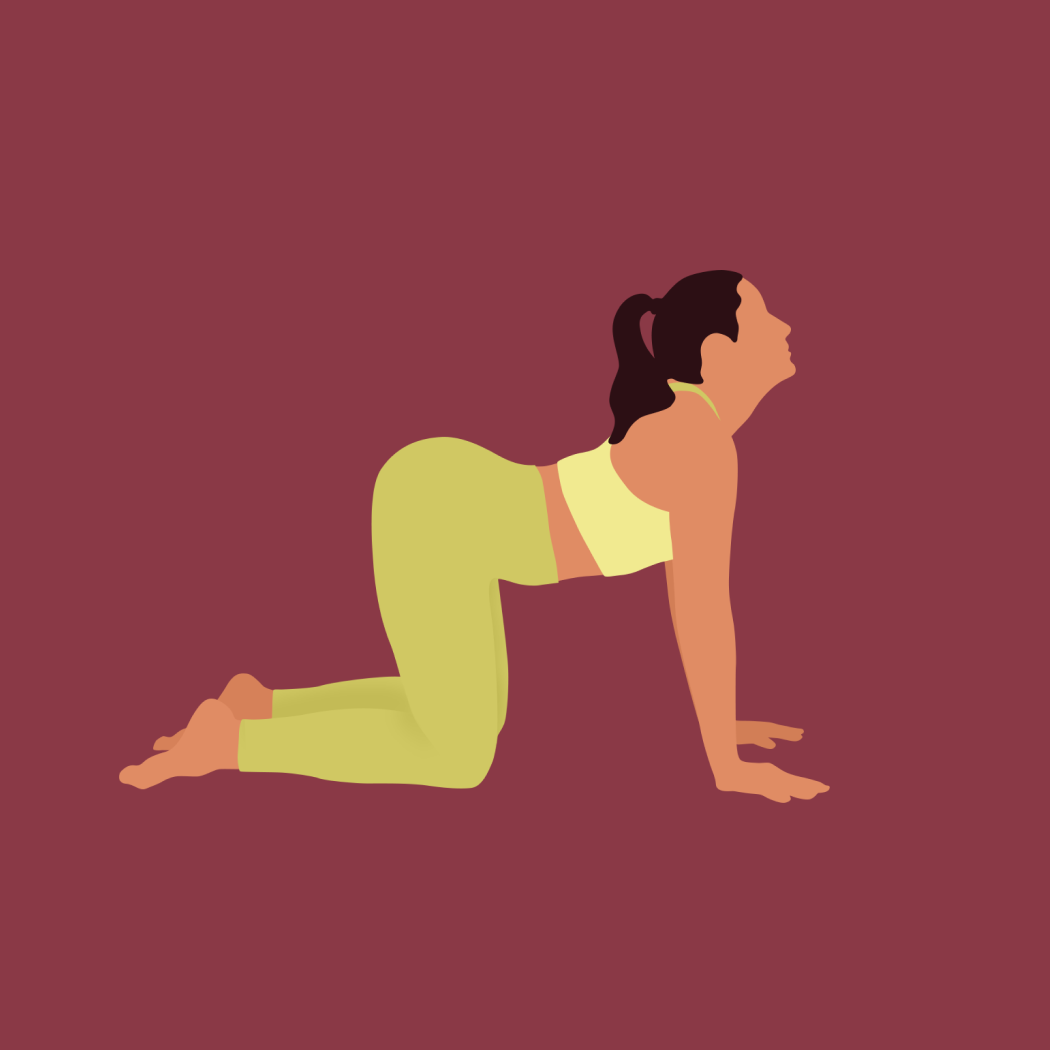
Downward Dog
Start on your hands and knees with your wrists und...
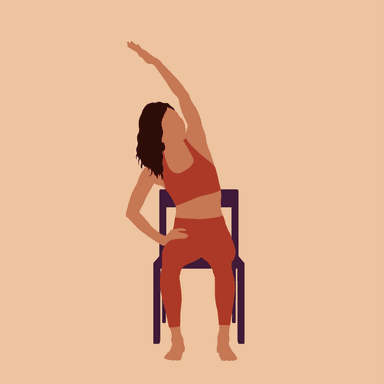
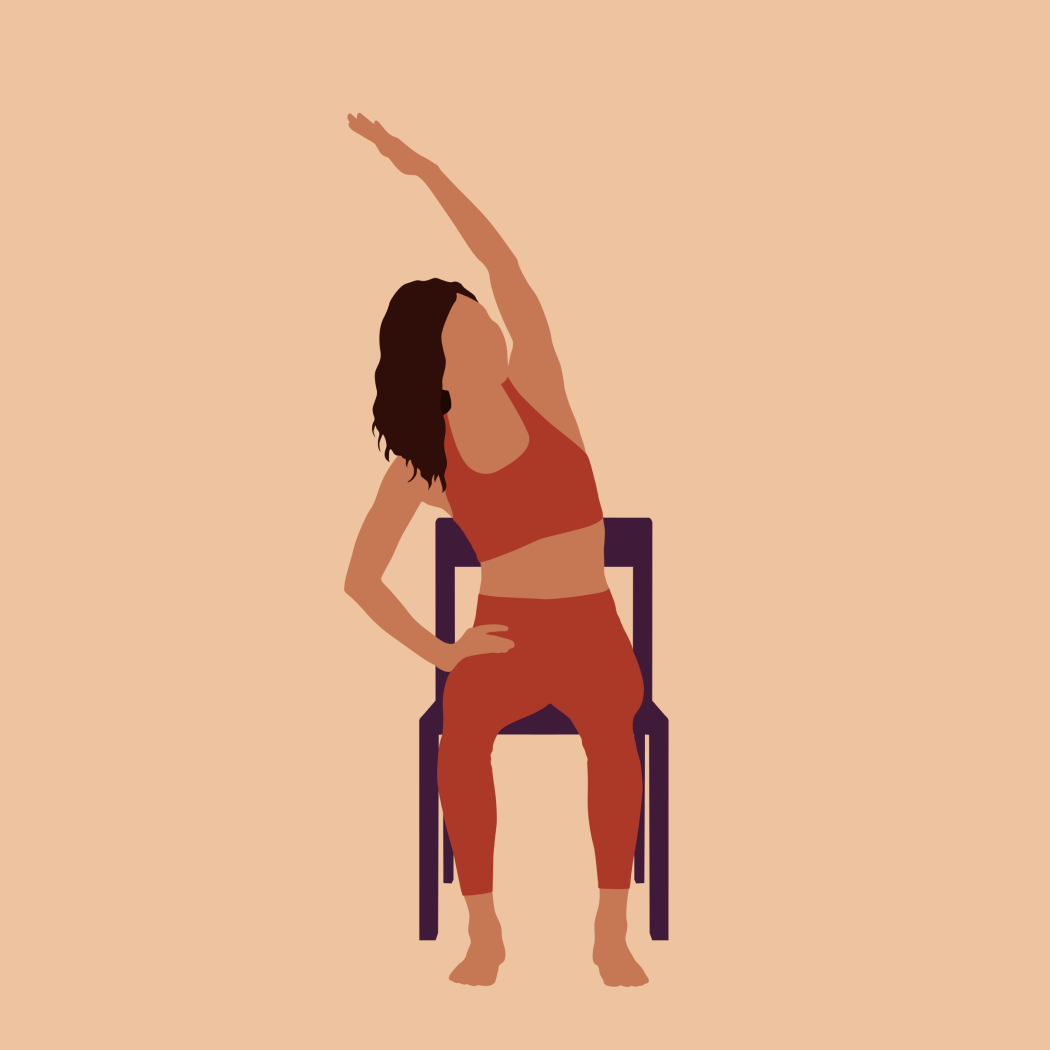
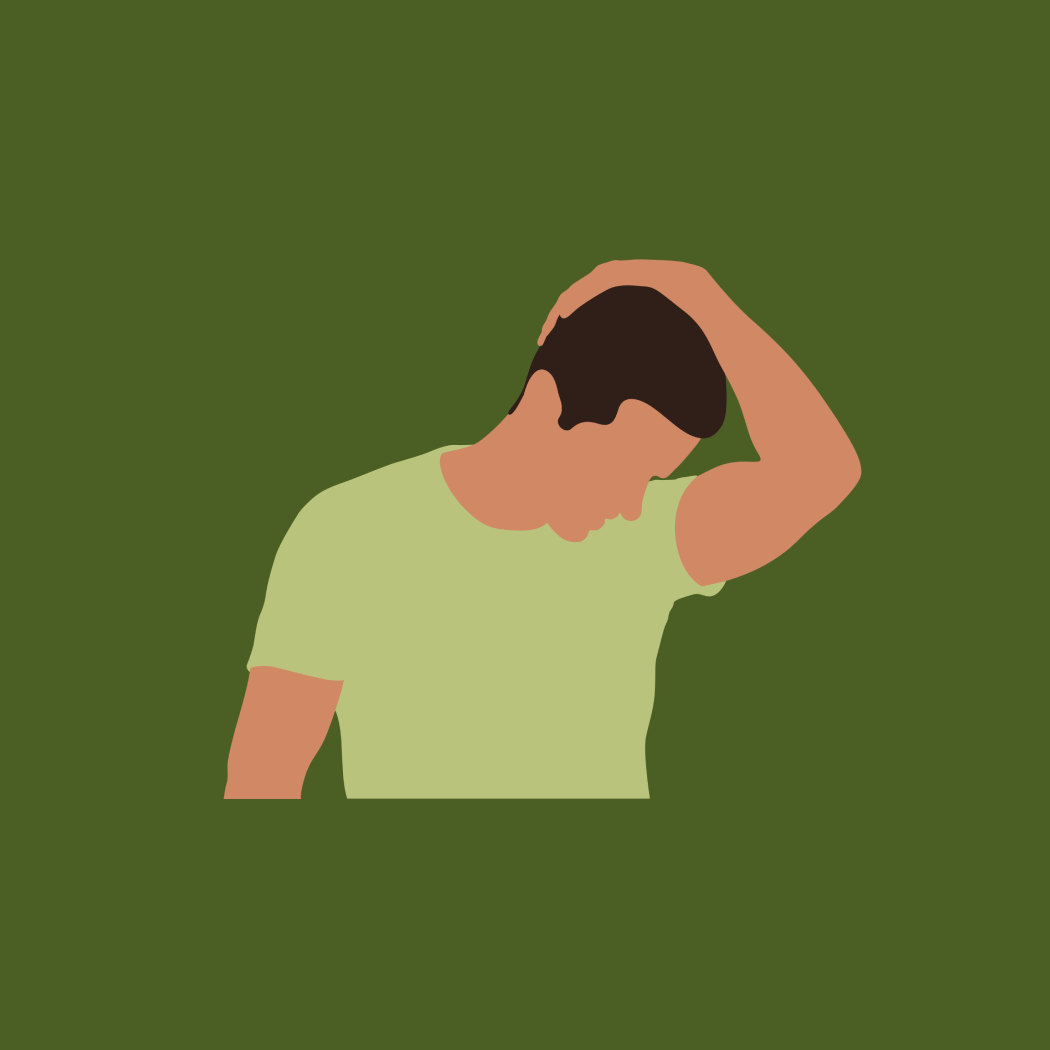
Side Bend
Sitting with your back straight and one hand on yo...
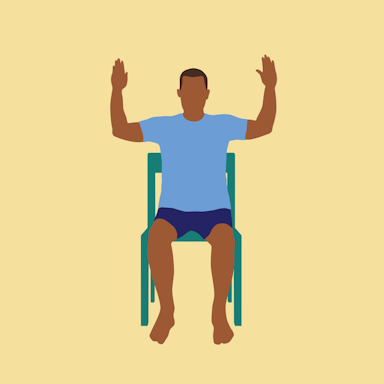
Cactus Arms
Sitting with your back straight, raise your arms o...
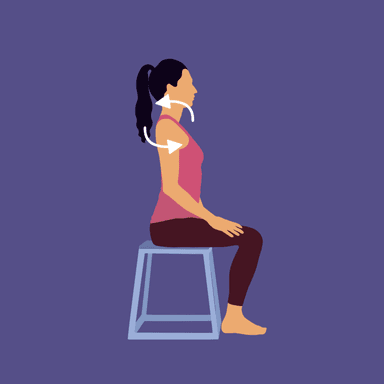
Shoulder Rolls
Sitting with your back straight and chest up, star...
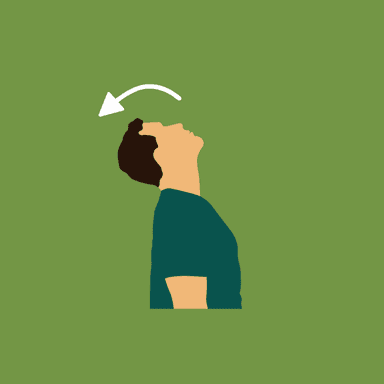
Neck Flex
Sitting with your back straight and arms resting a...
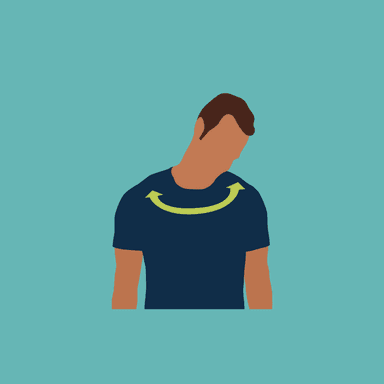
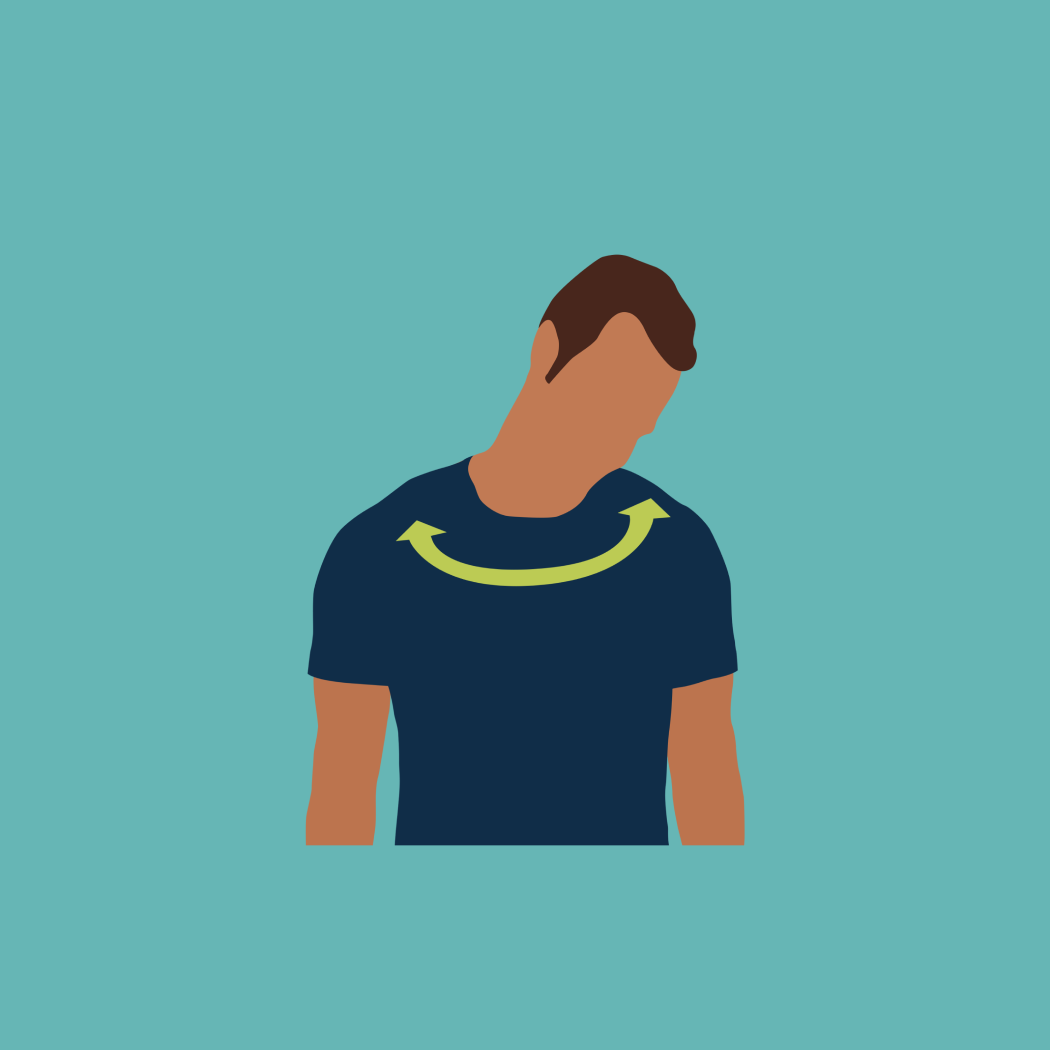
Neck Roll
Start sitting with your back straight and arms res...
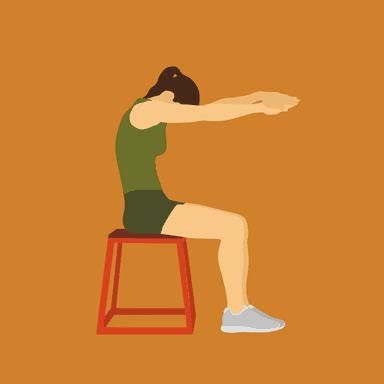
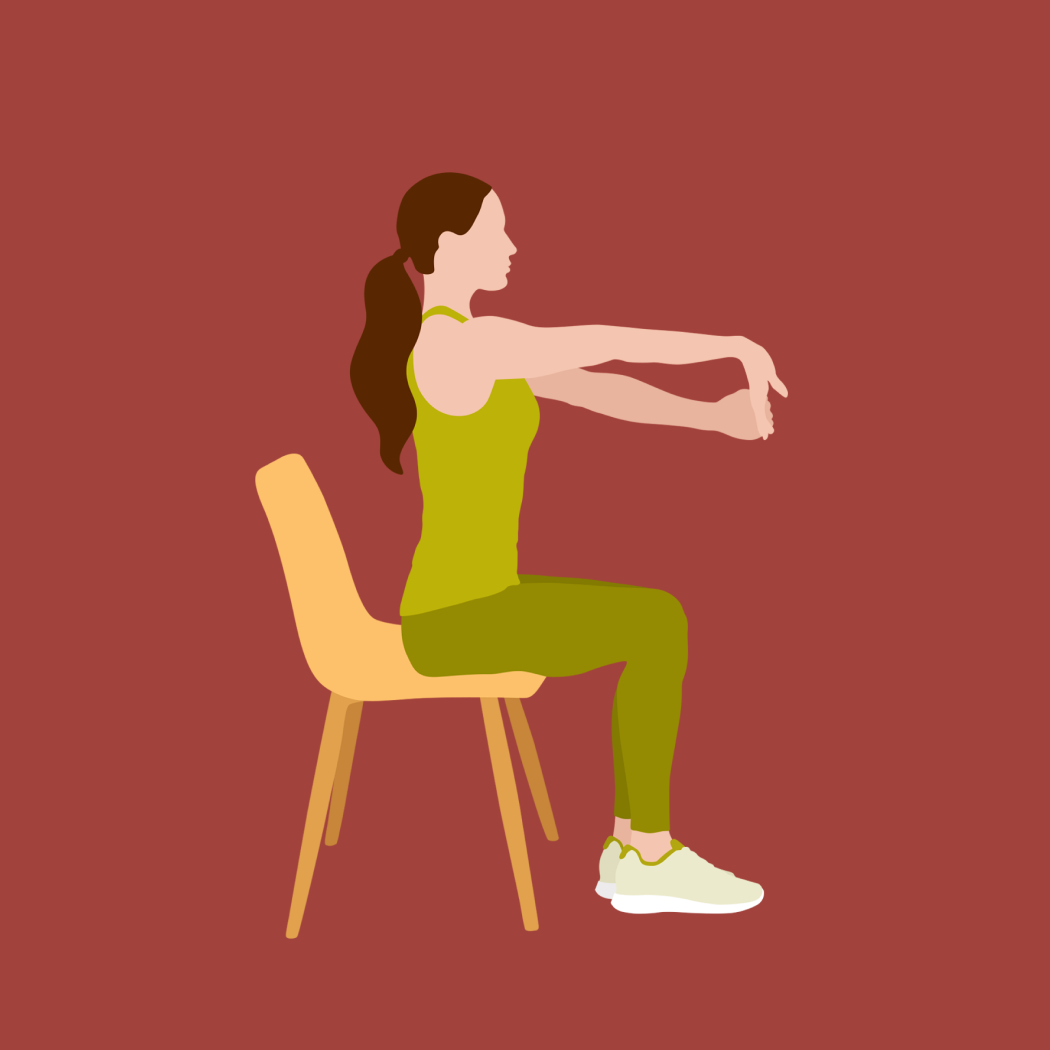
Diver
Sitting down in a chair, lock your hands and stret...
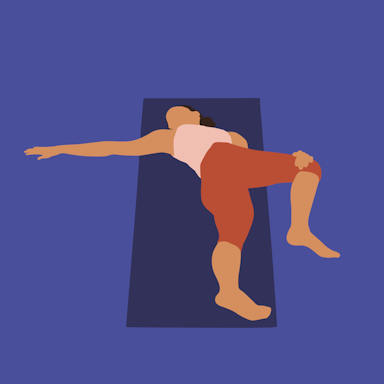
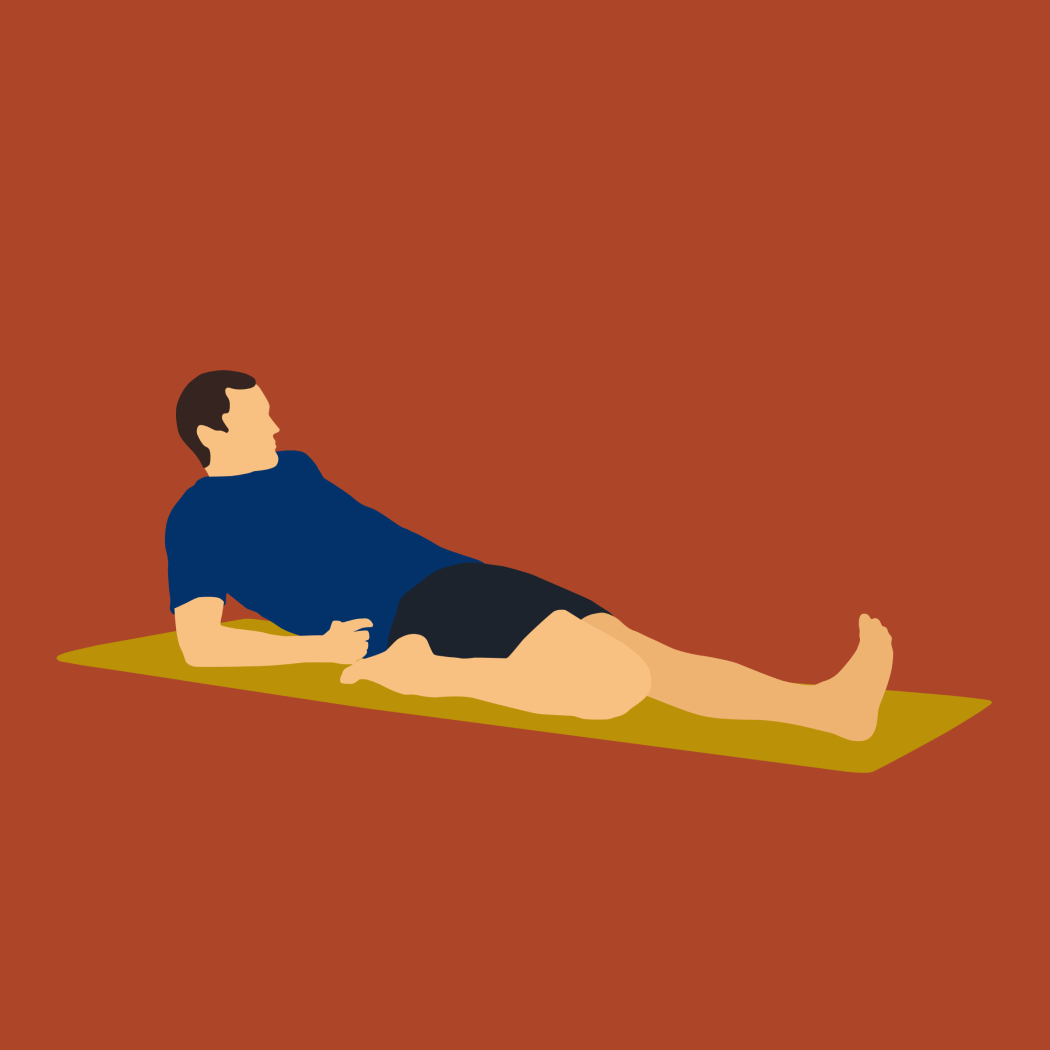
Spinal Twist
Starting flat on your back, shift your hips to the...
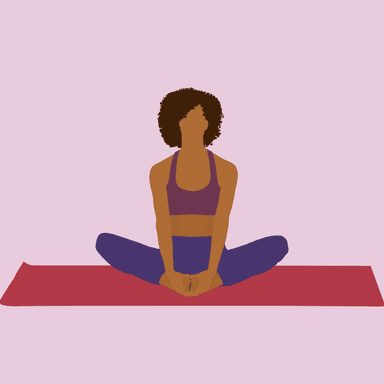
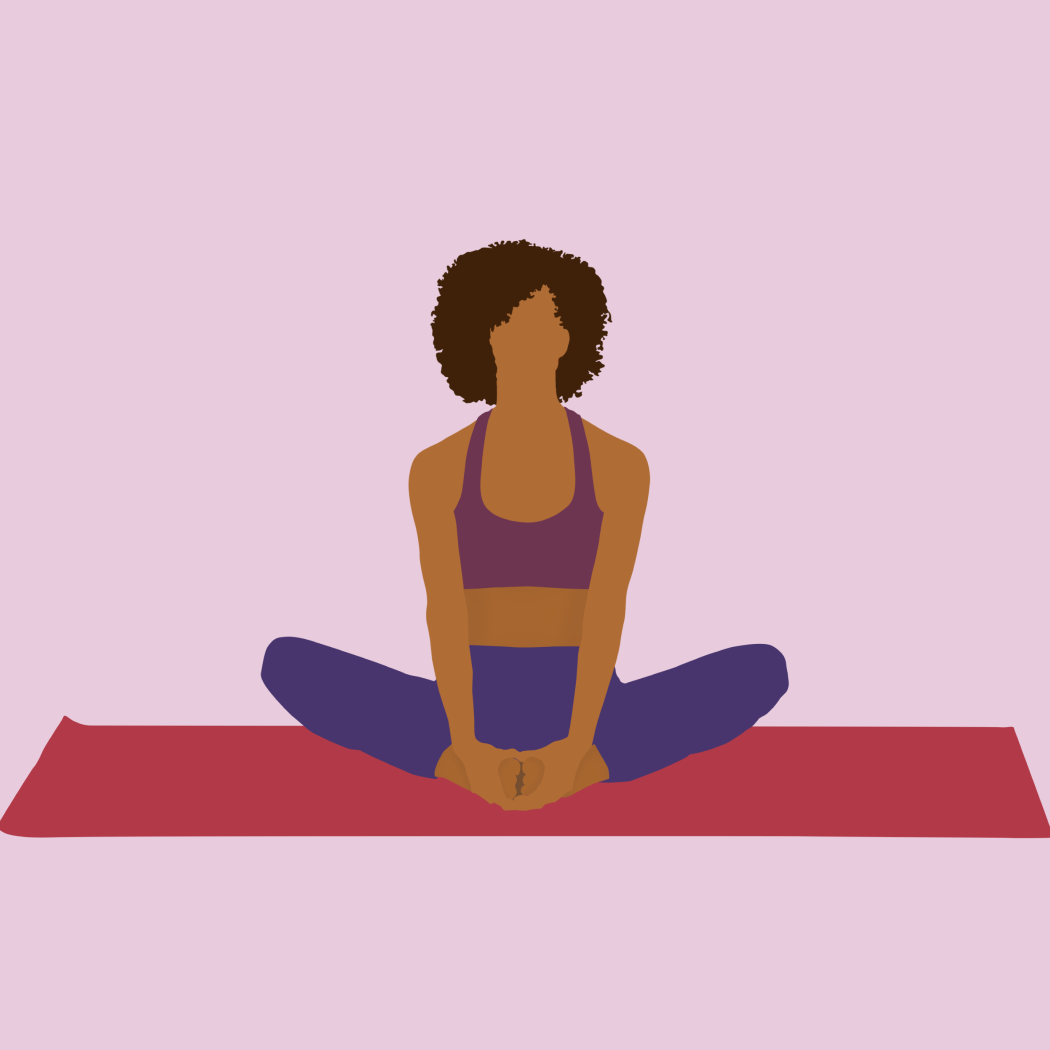
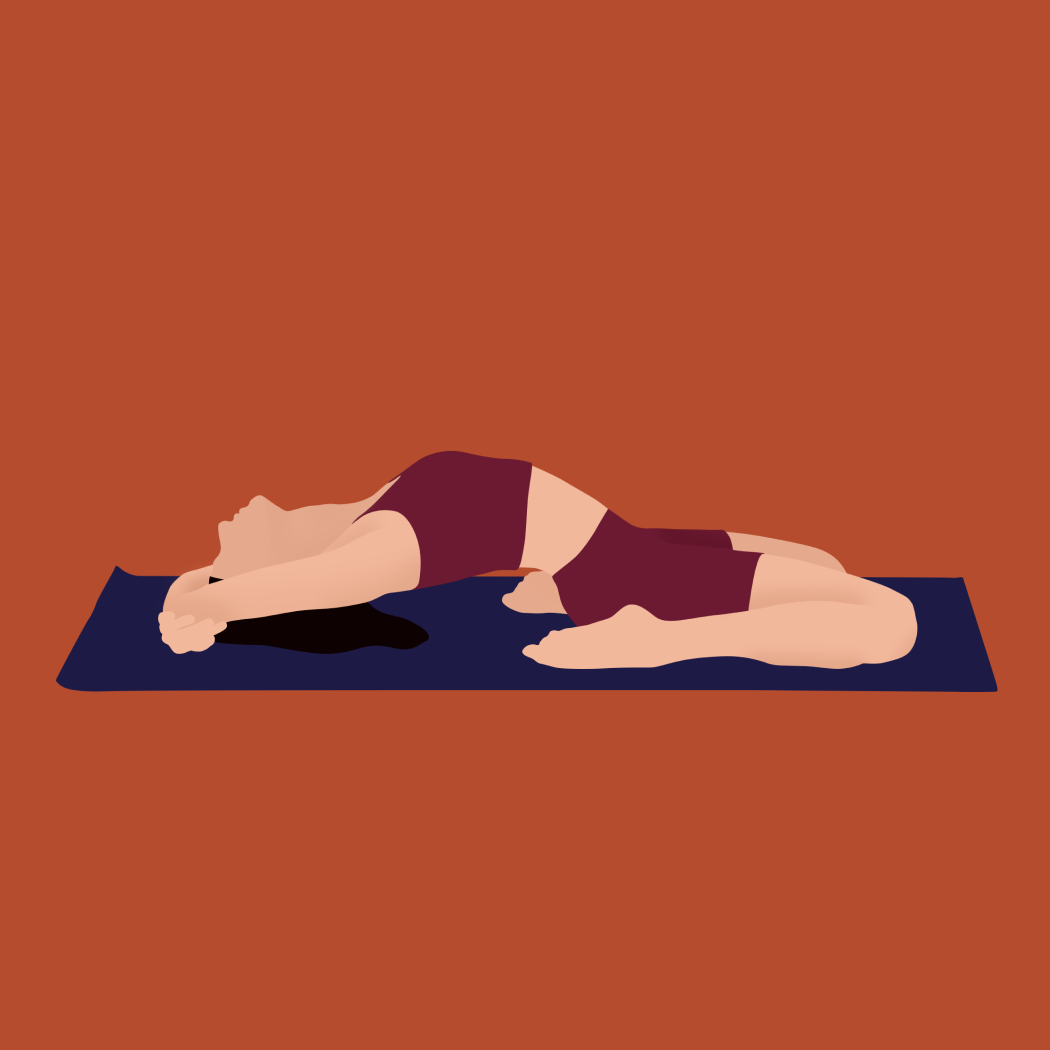
Butterfly
Sitting on the floor with your back straight, bend...
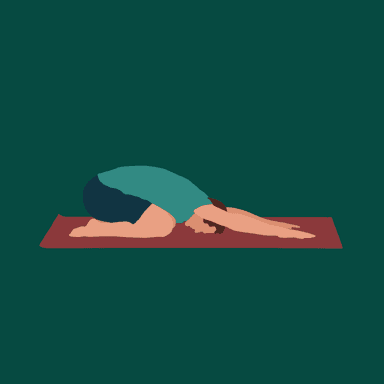
Child's Pose
Start from a kneeling position with your toes toge...
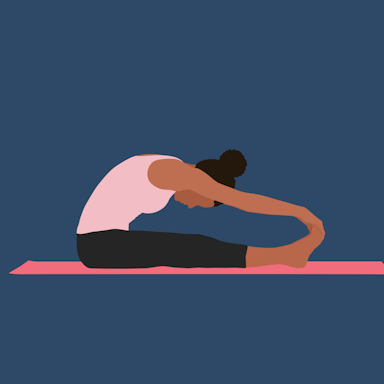
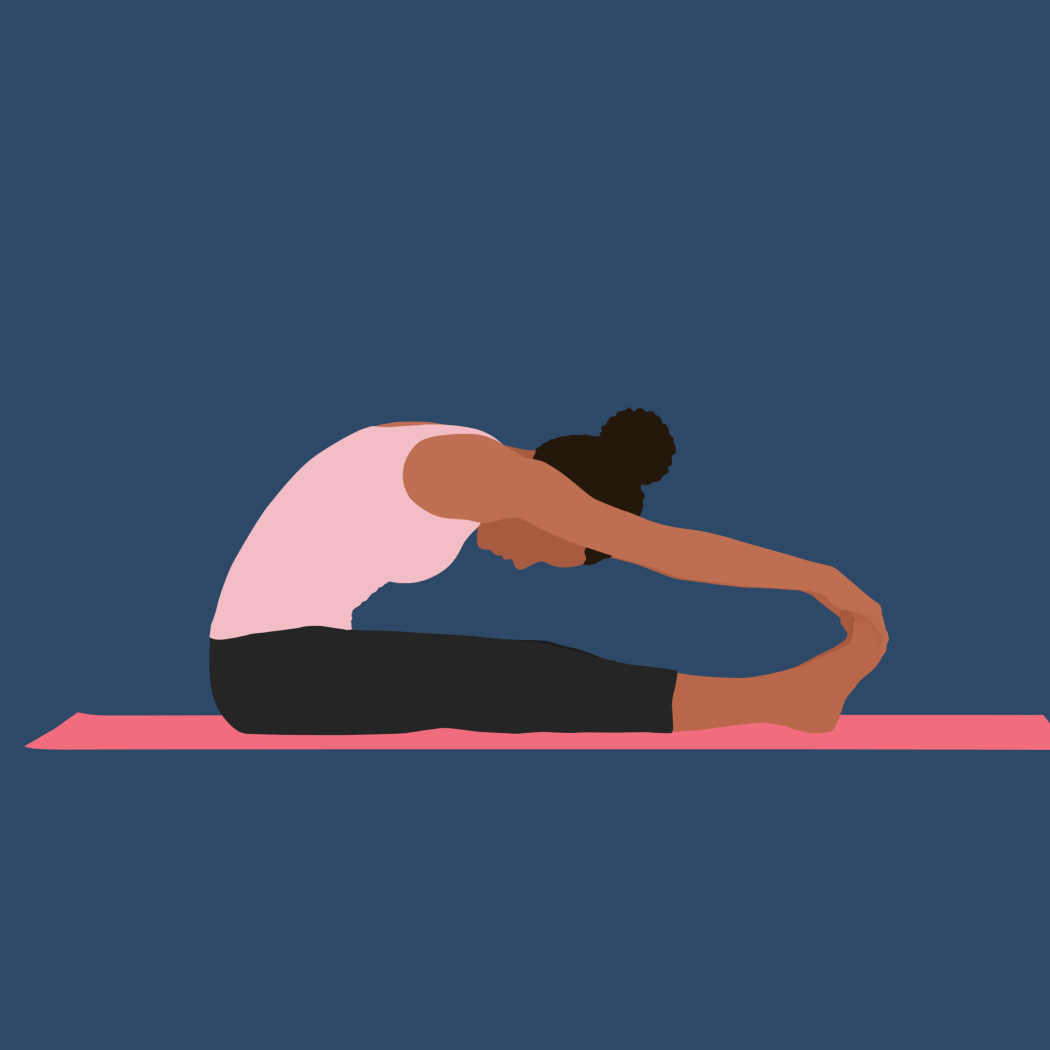
Seated Fold
While seated on the ground, reach your arms up ove...
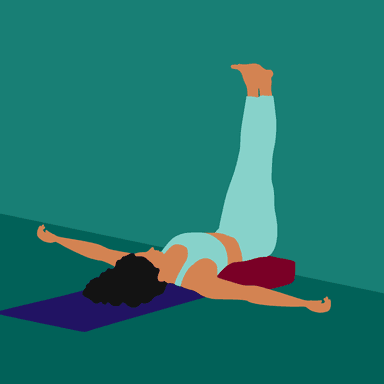
Legs-up-wall
Start by sitting with your left side against the w...
Cyclists need lower body and back flexibility for pedaling efficiency and to reduce strain.
Curling players require flexibility in their legs, back, and arms for stability during delivery and sweeping motions.
Cricket players need a combination of upper and lower body flexibility for batting, bowling, and fielding.
Martial artists require flexibility in their legs, hips, and upper body for kicks, punches, and agile movements.
Golfers need flexibility in their back, shoulders, and hips for a powerful and effective swing.
Equestrian athletes require lower body flexibility and core strength for effective riding and control.
Table tennis players need good upper body and wrist flexibility for control and speed in their strokes.
Bowlers benefit from upper body and leg flexibility for a smooth bowling motion and control.
Skateboarders need flexibility in their legs and core for balance and to perform tricks effectively.
Baseball players benefit from upper body and leg flexibility for batting, throwing, and fielding.
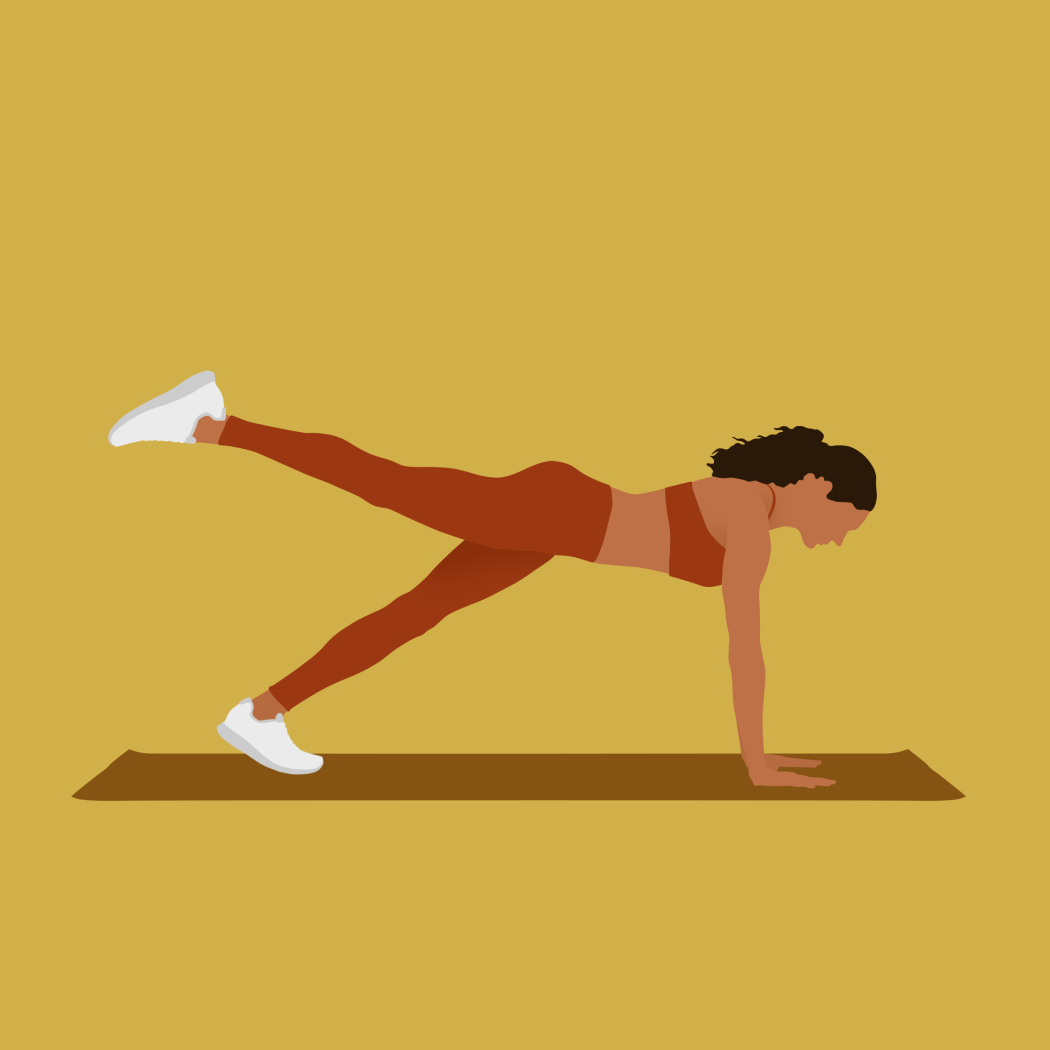
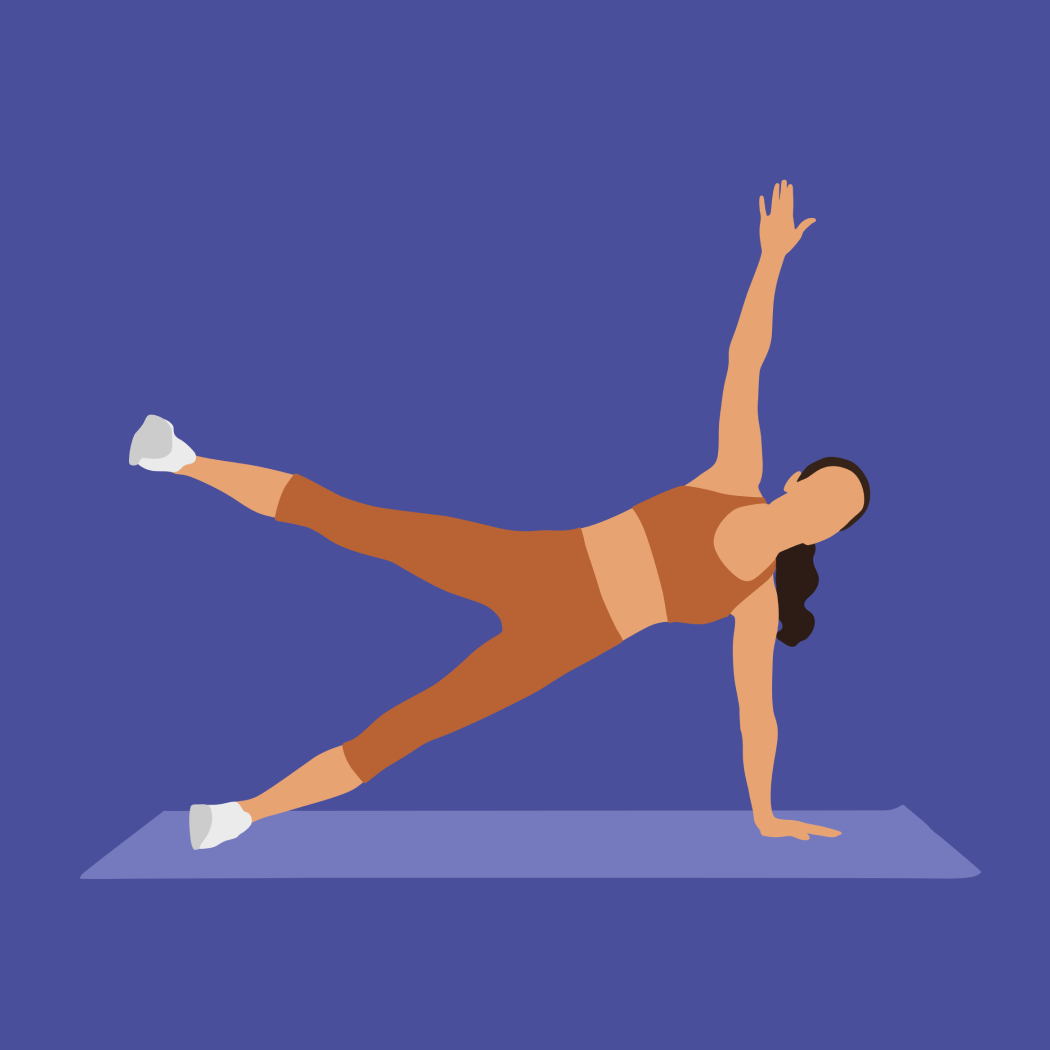
A series of plank poses activating all of the muscles in your core. A strong core improves posture and balance, increases flexibility, and reduces lower back pain.
Light, easy stretches while your body transitions to a resting state. Post-workout stretching promotes blood flow for recovery and reduces the risk of injury.
An advanced routine covering all major muscle groups and extremities. Movements range in their level of complexity to promote greater flexibility and range of motion.
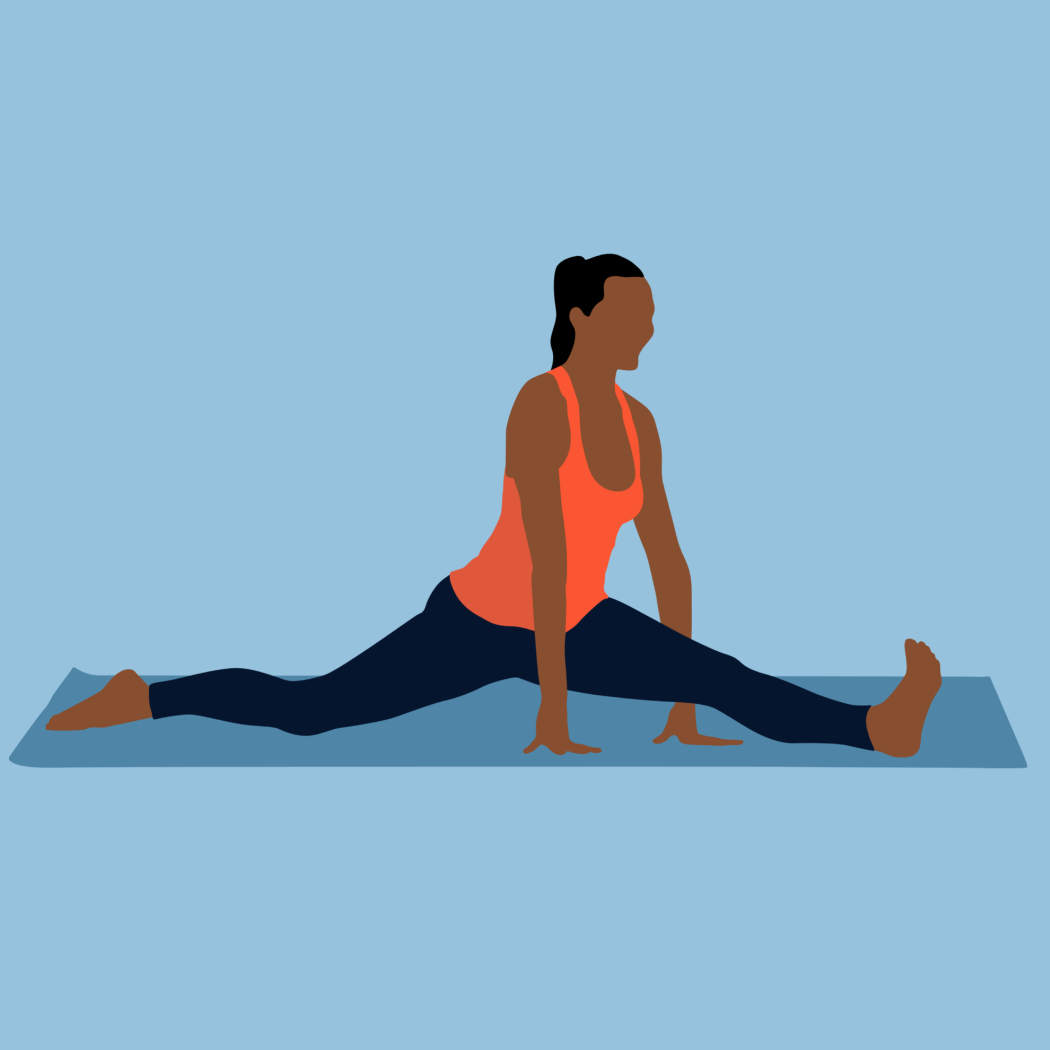
Splits are one of the ultimate flexibility milestones. Deepen your front splits with a daily routine designed to target your hips, hamstrings, and glutes.
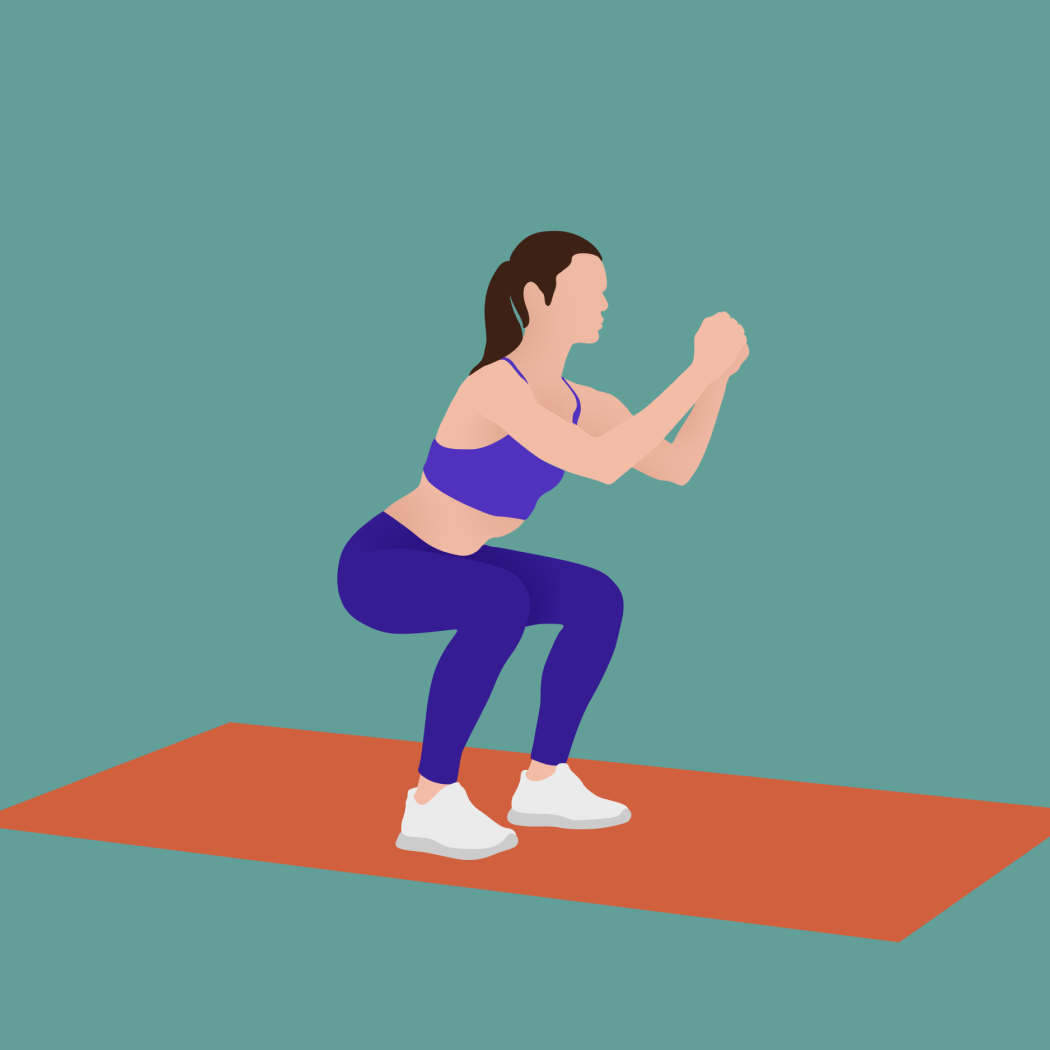
A series of squats and lunge holds designed to strengthen the muscles in your legs, core, and back that are responsible for maintaining good posture.
A series of stretches designed to increase flexibility in the neck.
An isometric exercise routine thats build muscle, strength, balance, and range of motion in targeted areas through static muscle contraction.
A series of stretches designed to increase flexibility in the shoulders.